A daily update by email. Science news, great photos, sky alerts.
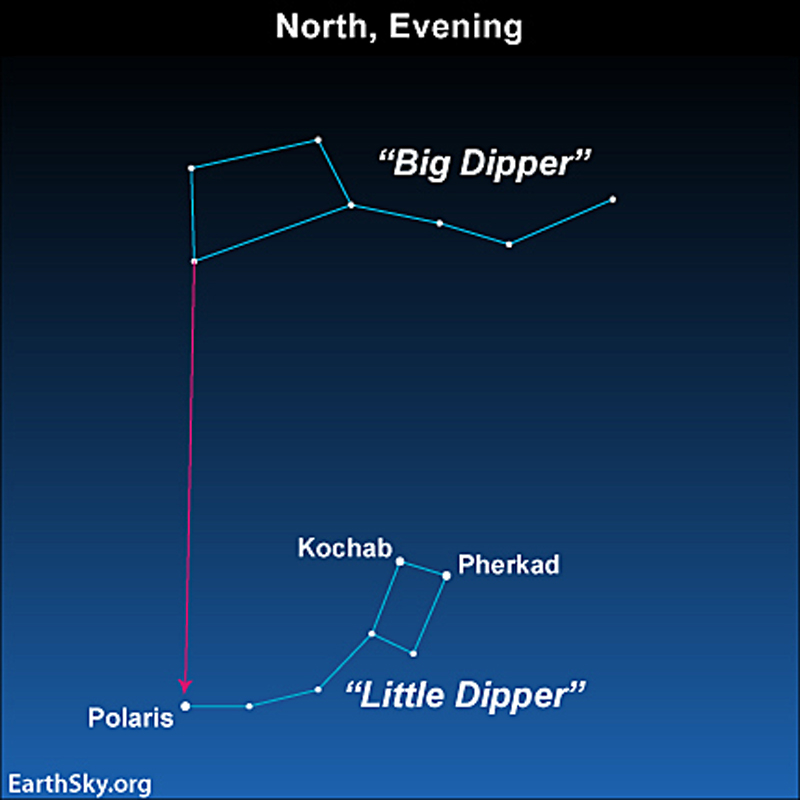
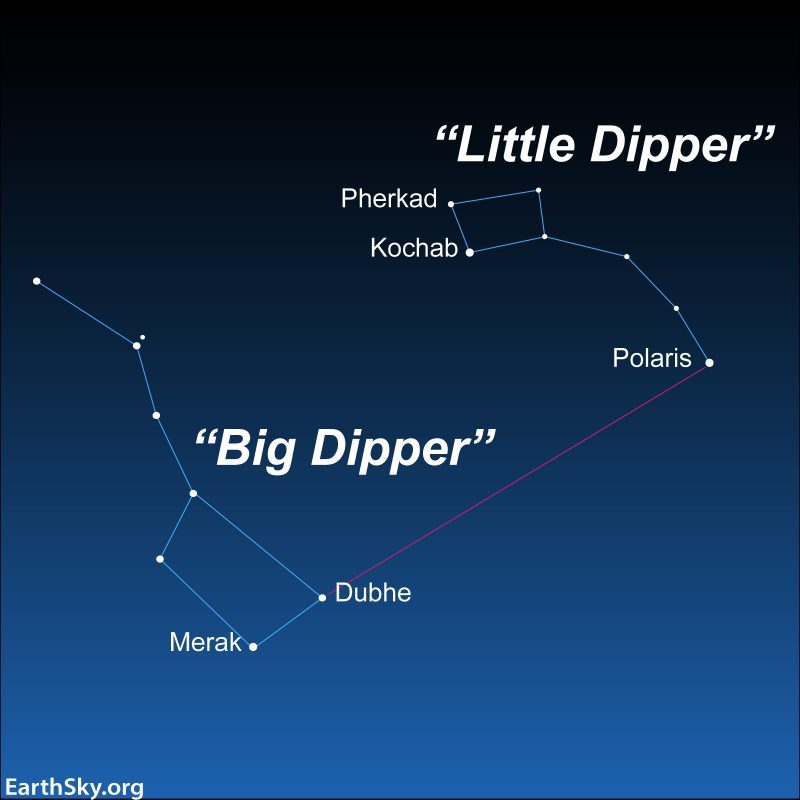
Kochab and Pherkad are stars in the Little Dipper asterism. Maybe you can find the Big Dipper but not the Little Dipper? This post will help.
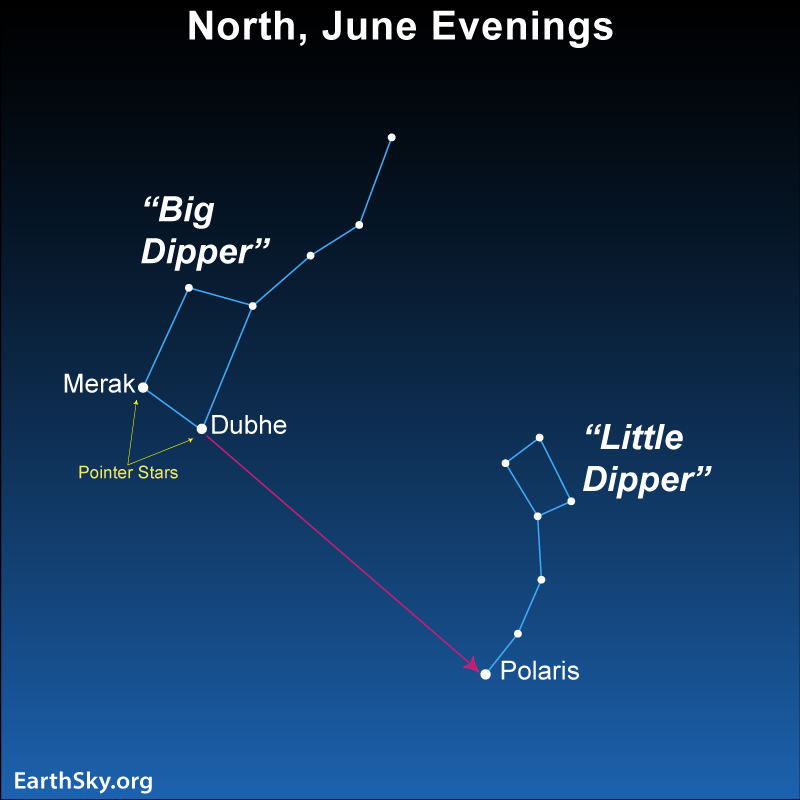
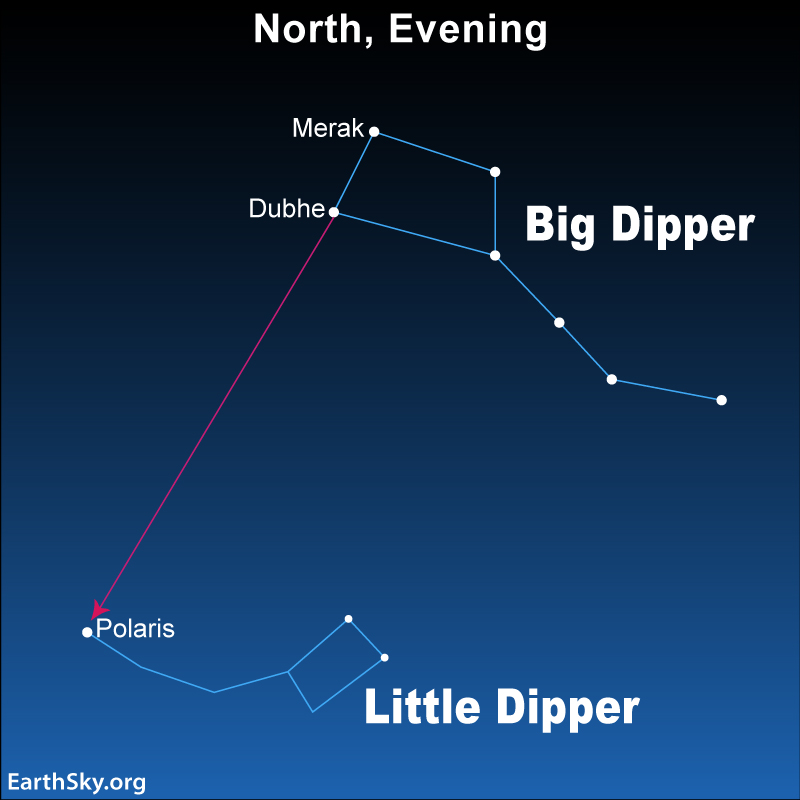
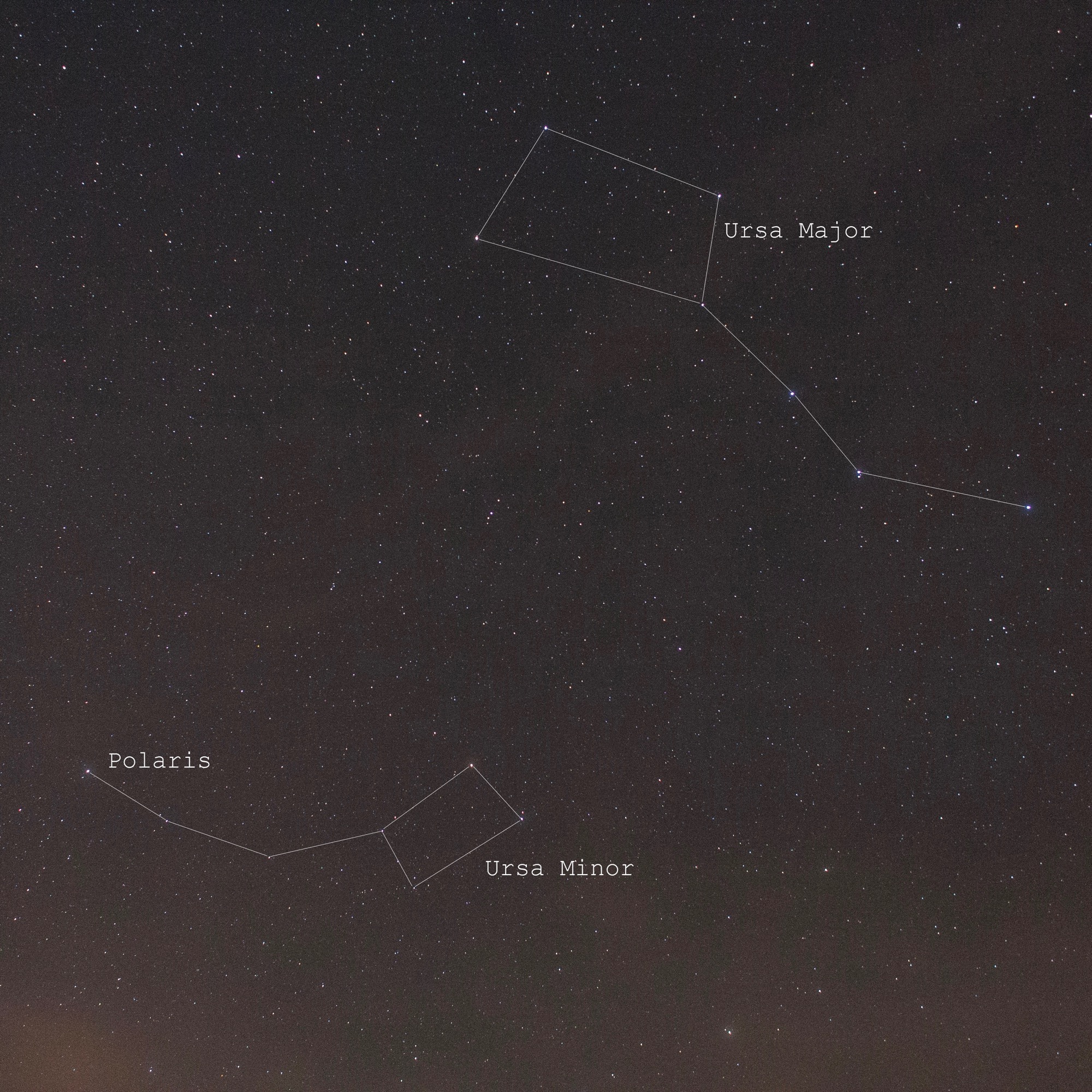
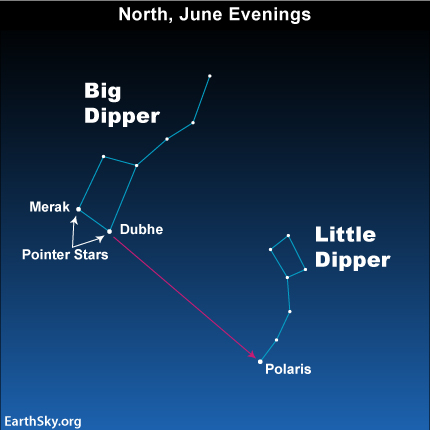
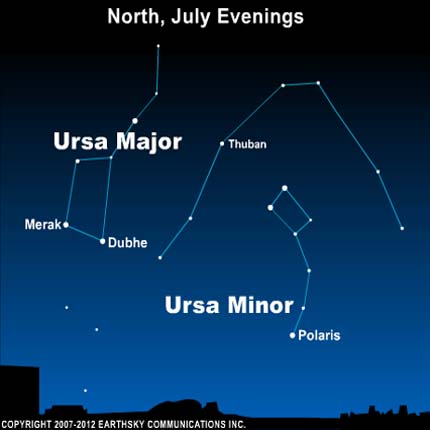
You can spot the Big and Little Dipper in the northern sky year-round. Follow the Big Dipper’s pointer stars to find Polaris and the Little Dipper.
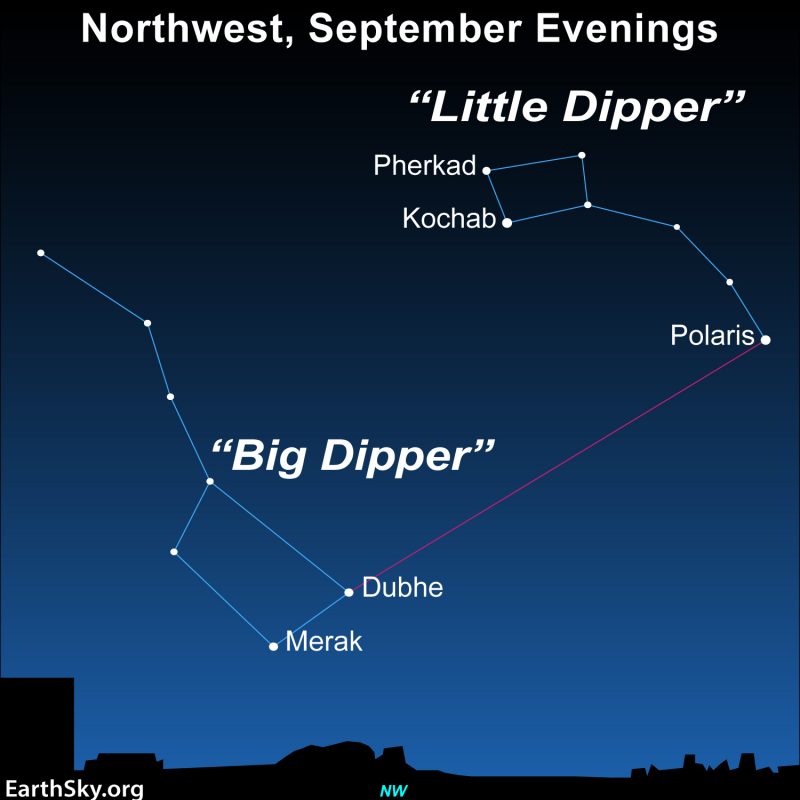
How can you see both the Big and Little Dippers? On June evenings, the Big Dipper is high in the north. Let it be your guide to the Little Dipper.
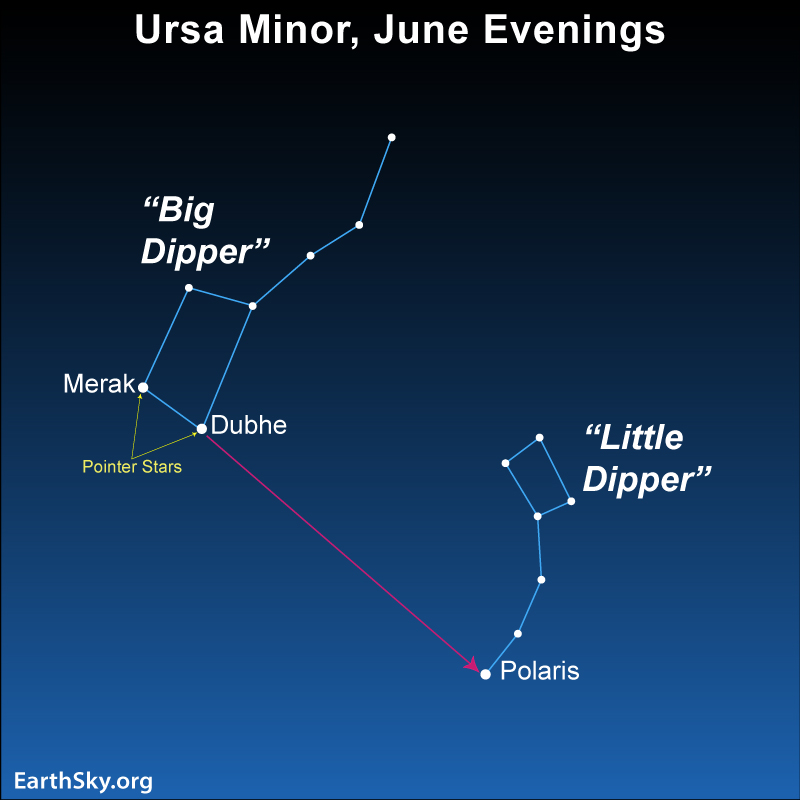
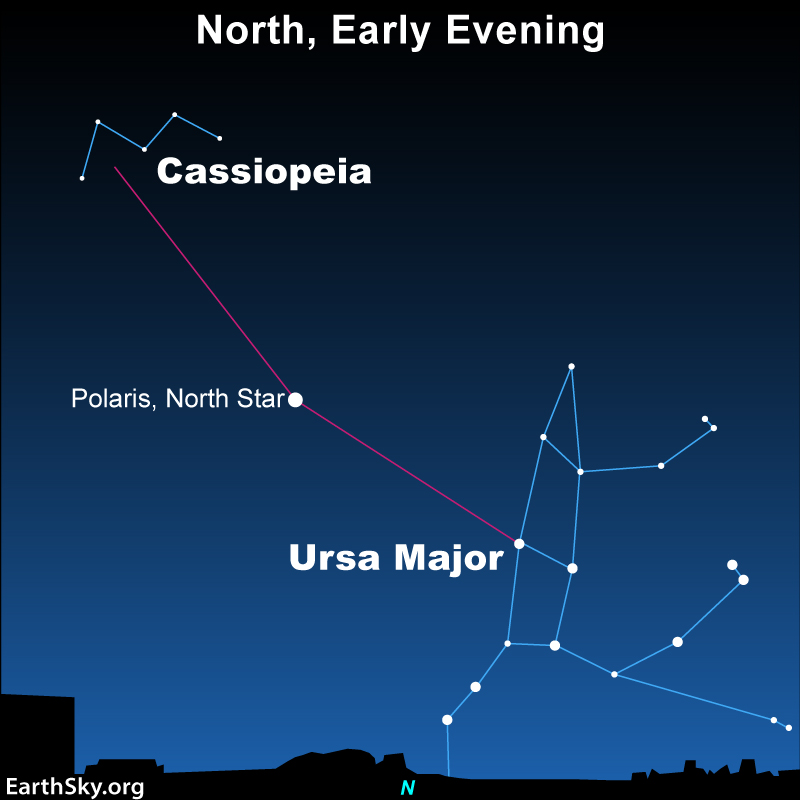
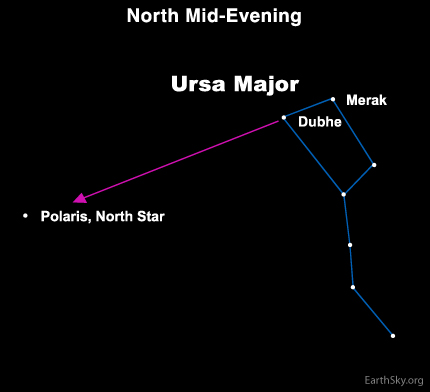
Polaris marks the end of the handle of the Little Dipper. The 2 outer stars in the bowl of the Big Dipper point to Polaris and help you find the Little Dipper.
Ursa Minor is the Lesser Bear, but you might know it as the Little Dipper. Also, its brightest star is Polaris, the North Star.
Nice! We published some stories about the Big and Little Dippers and received back some photos. Love it when that happens. Thank you!
The Big Dipper is easy to recognize, but the Little Dipper ... not so much. Here's a tip that can help.
The Big Dipper is easy to find. But the Little Dipper isn't. How to find the Little Dipper using the Big Dipper as a guide.
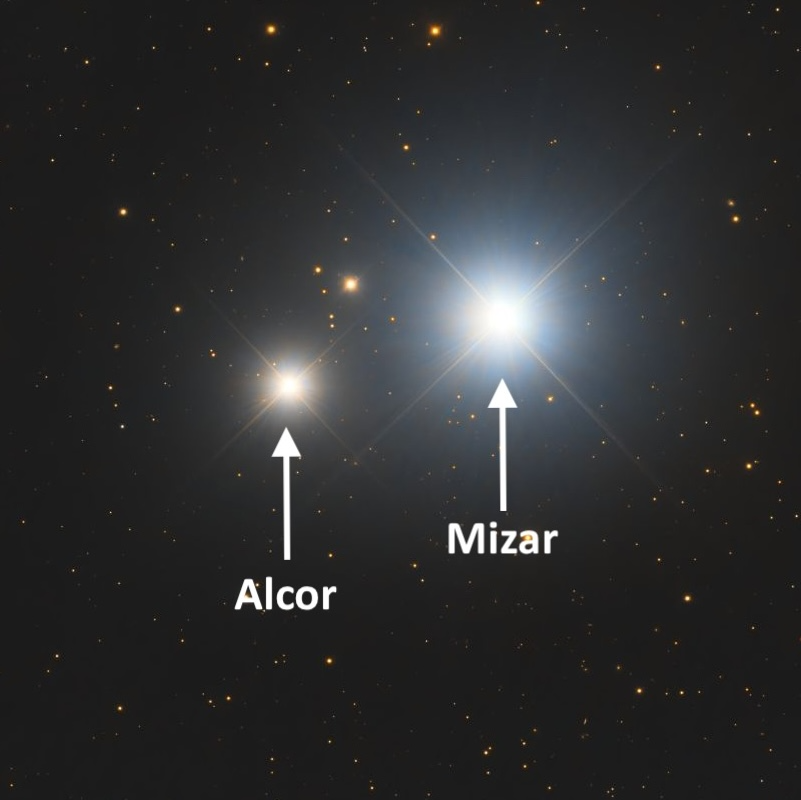
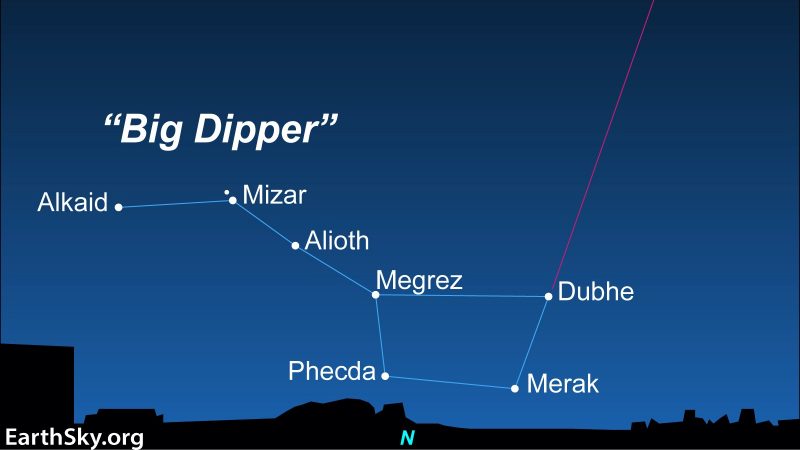
Mizar and Alcor are a famous pair of stars located at the bend of the handle of the Big Dipper. But what we see as 2 stars are really 6 stars!
Do you know how to find the North Star? The 2 outer stars in the bowl of the Big Dipper point to Polaris, the North Star. It's quick and easy!
Watch the celestial clock and its 2 great big hour hands - Cassiopeia and the Big Dipper - as they swing around the North Star each and every night!
Want to find Polaris, the North Star? The entire northern sky turns around it. If you can find the Big Dipper, you can always find Polaris.
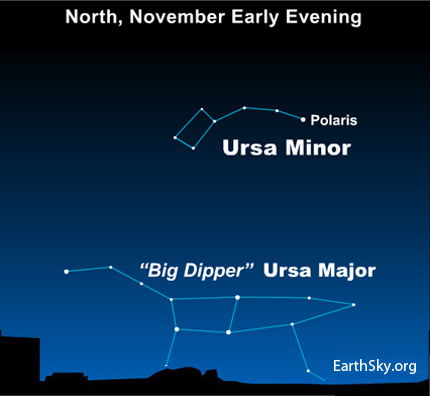
The Big Dipper is easy to recognize at most times of the year. But the Big Dipper in autumn rides low in the northern sky in the evening hours.
On northern autumn evenings, the famous Big Dipper lies low on - or even below - the northern horizon. You can use it to find Polaris, the North Star.
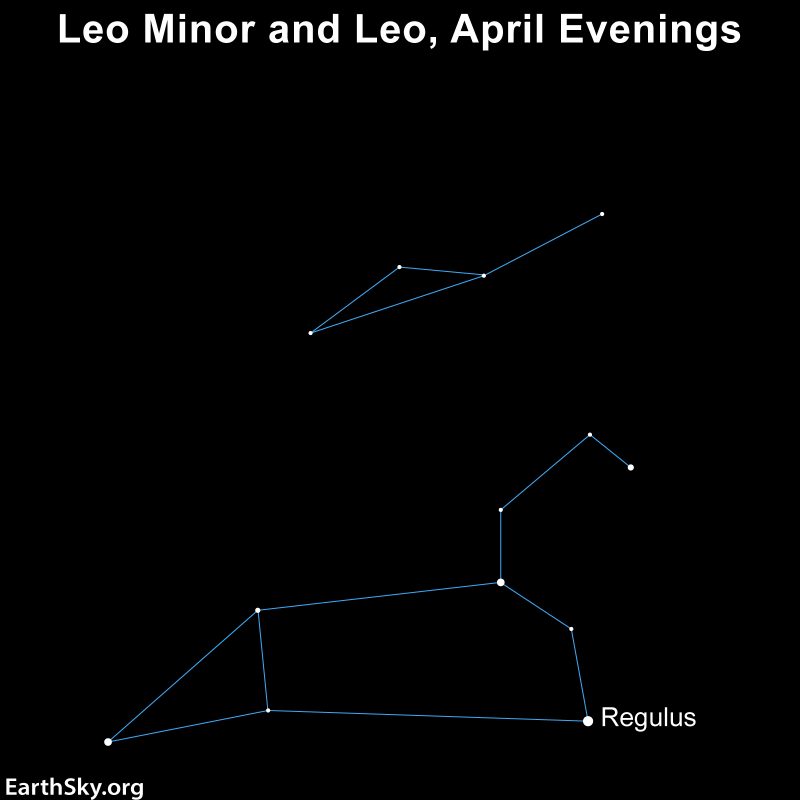
Leo Minor the Little Lion is a dim constellation that sits upon the back of the larger Leo the Lion. Read about how to see it in April and May skies.
Every year, the Big Dipper (Great Bear) descends to its lowest point in the sky on November evenings. This makes it difficult, or impossible, to see.
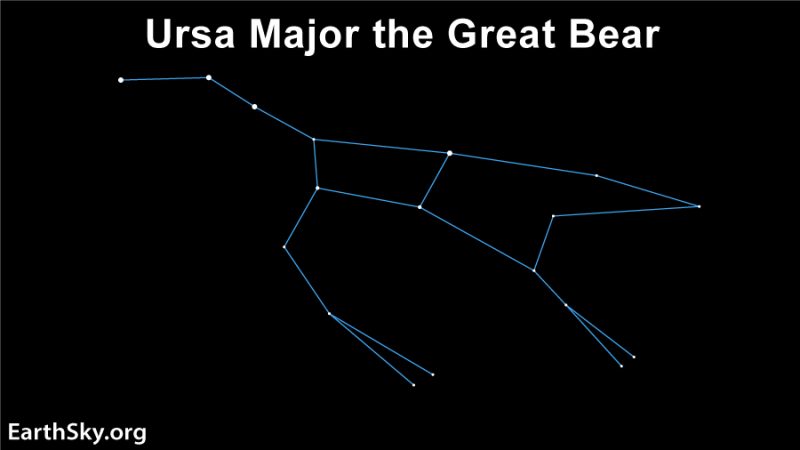
Ursa Major the Great Bear is in Northern Hemisphere skies and is home to the asterism of the Big Dipper, which you can use to find other constellations.
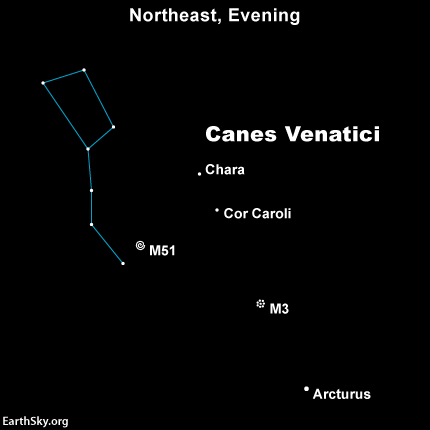
Find out how to use the Big Dipper to find the constellation Canes Venatici, also known as the Hunting Dogs, which contains the stars Chara and Asterion.
Polaris and Thuban have this in common: both reside, or have resided, at the apex of Earth's sky. That is, both are famous pole stars.
The 2 outermost stars in the bowl of the Big Dipper always point to the North Star, aka Polaris. That's why astronomers call these stars The Pointers.
EarthSky Newsletter
Nearly half a million daily subscribers love our newsletter. What are you waiting for? Sign up today!
Join now to receive free daily science news delivered straight to your email.