A daily update by email. Science news, great photos, sky alerts.
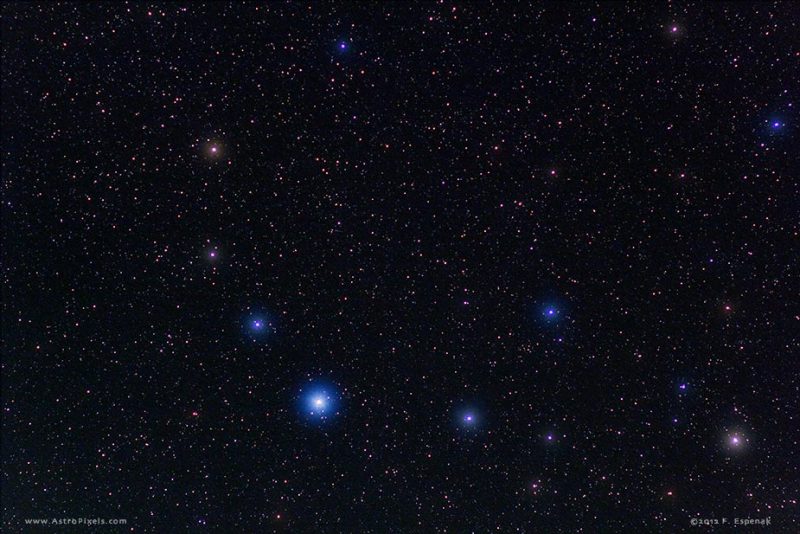
Corona Borealis, aka the Northern Crown, looks like the letter C. A dark sky is best for seeing this faint semicircle of stars. It's between Arcturus and Vega.
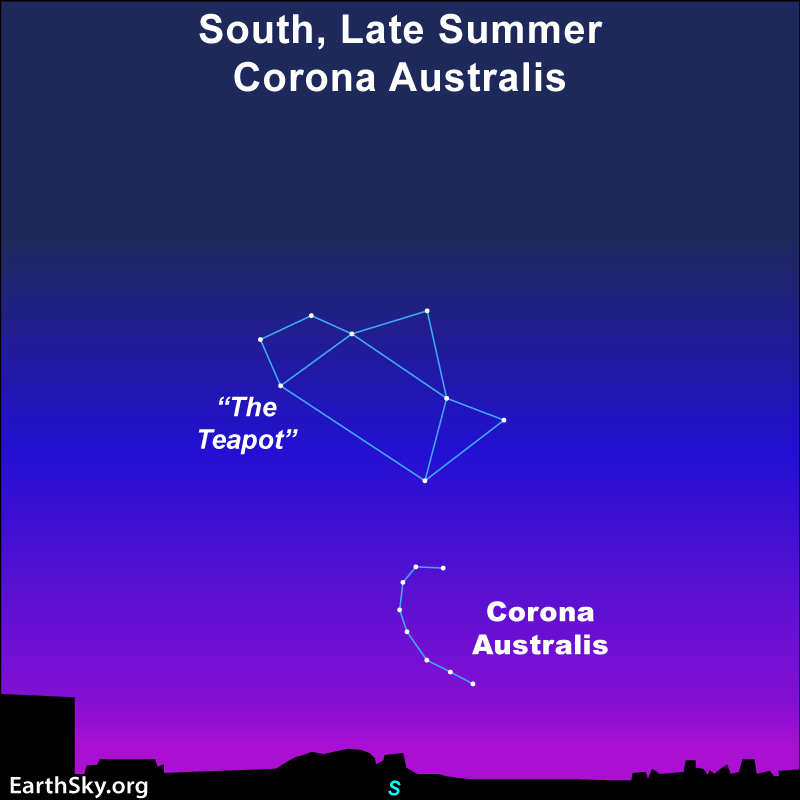
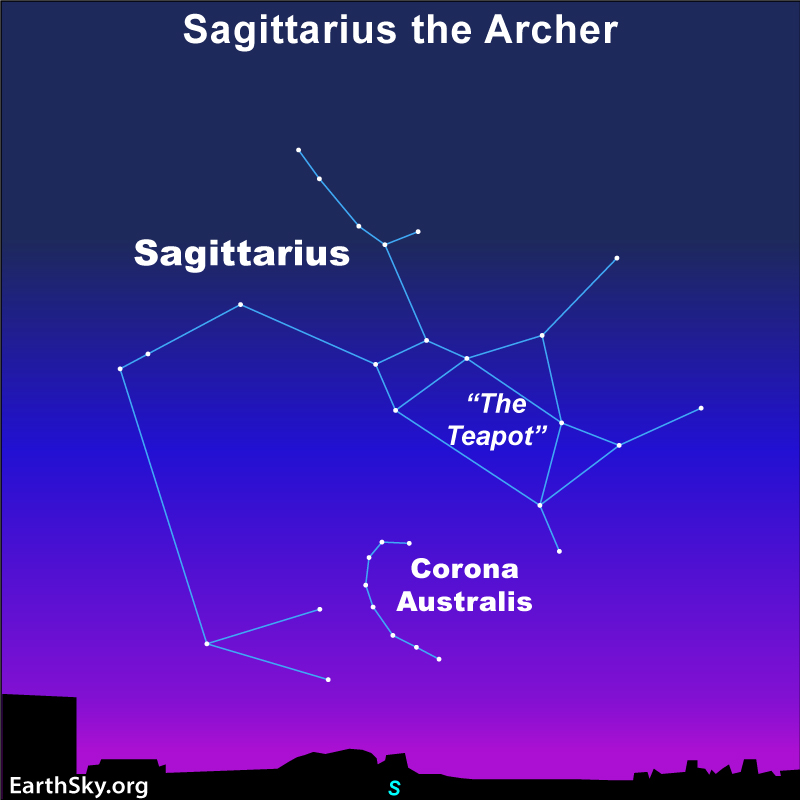
Corona Australis is a dim constellation lying below the Teapot asterism of Sagittarius. Its sparkling, curving shape befits its name.
Alphecca. Gemma. Alpha Coronae Borealis or simply Alpha Cor Bor. They're all names for a single star, the brightest star in the Northern Crown.
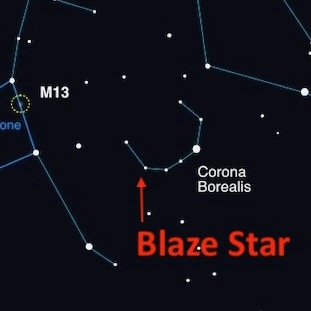
A recurring nova - long overdue - in Corona Borealis - nicknamed Blaze Star - should appear bright enough to see with the unaided eye sometime in 2026.

Sun activity archive for December 2025. A daily record of flaring, big filaments and prominences, and other sorts of activity, on our local star.
If you're new to observing the night sky, check out our top 10 stargazing tips for beginners. We'll help you explore and expand your love for astronomy.
The zodiacal constellation of Sagittarius the Archer contains the center of the Milky Way and a famous asterism known as the Teapot.
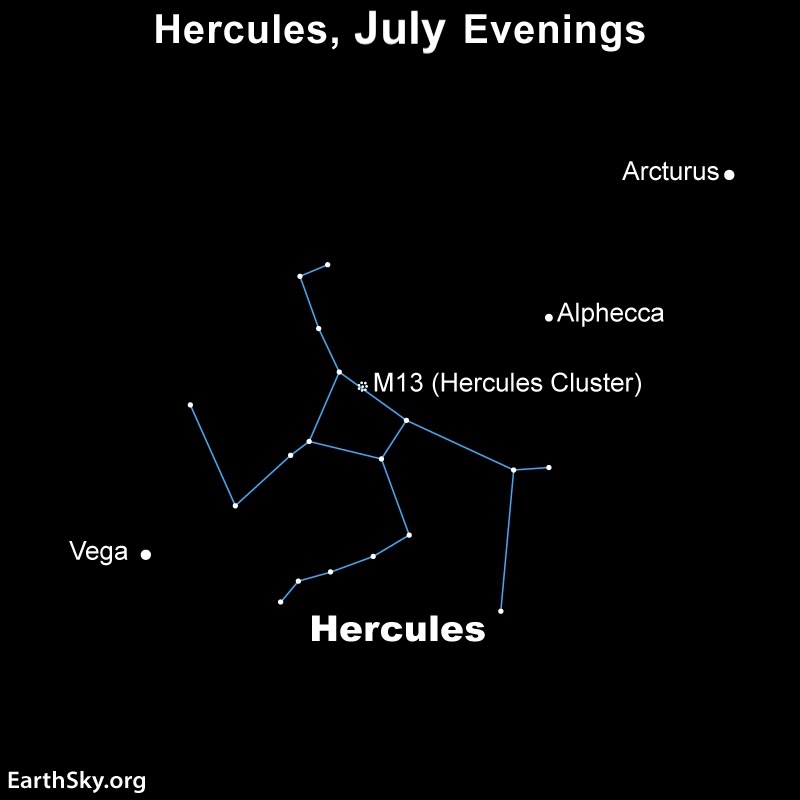
Hercules the Strongman is a great constellation to view in summer. With only a pair of binoculars you can see the globular cluster M13 in the Keystone.
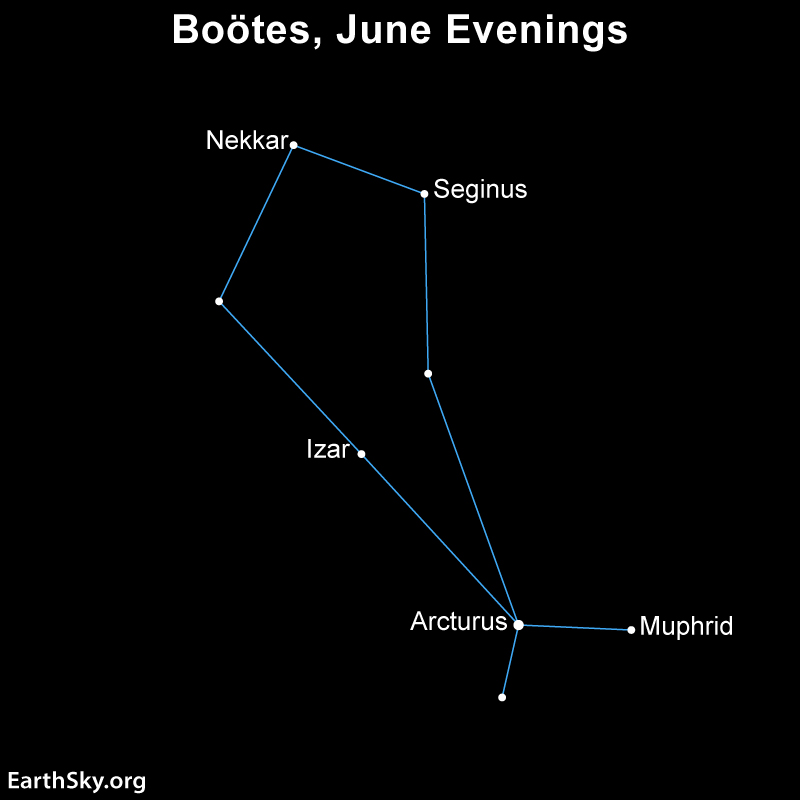
Boötes the Herdsman is a large constellation that holds one of the brightest stars in the sky, Arcturus. Only 3 other stars in the night sky are brighter.

Sun activity archive for May 2025. A daily record of flaring, big filaments and prominences, and other sorts of activity, on our local star.
We're still waiting for the Blaze Star to go nova! Here's how to find Corona Borealis so you're ready when it does happen. Find star charts and more inside.
Quipu is the largest known structure in the universe. Find out more about its size, its influence on our universe and the fate that awaits it.
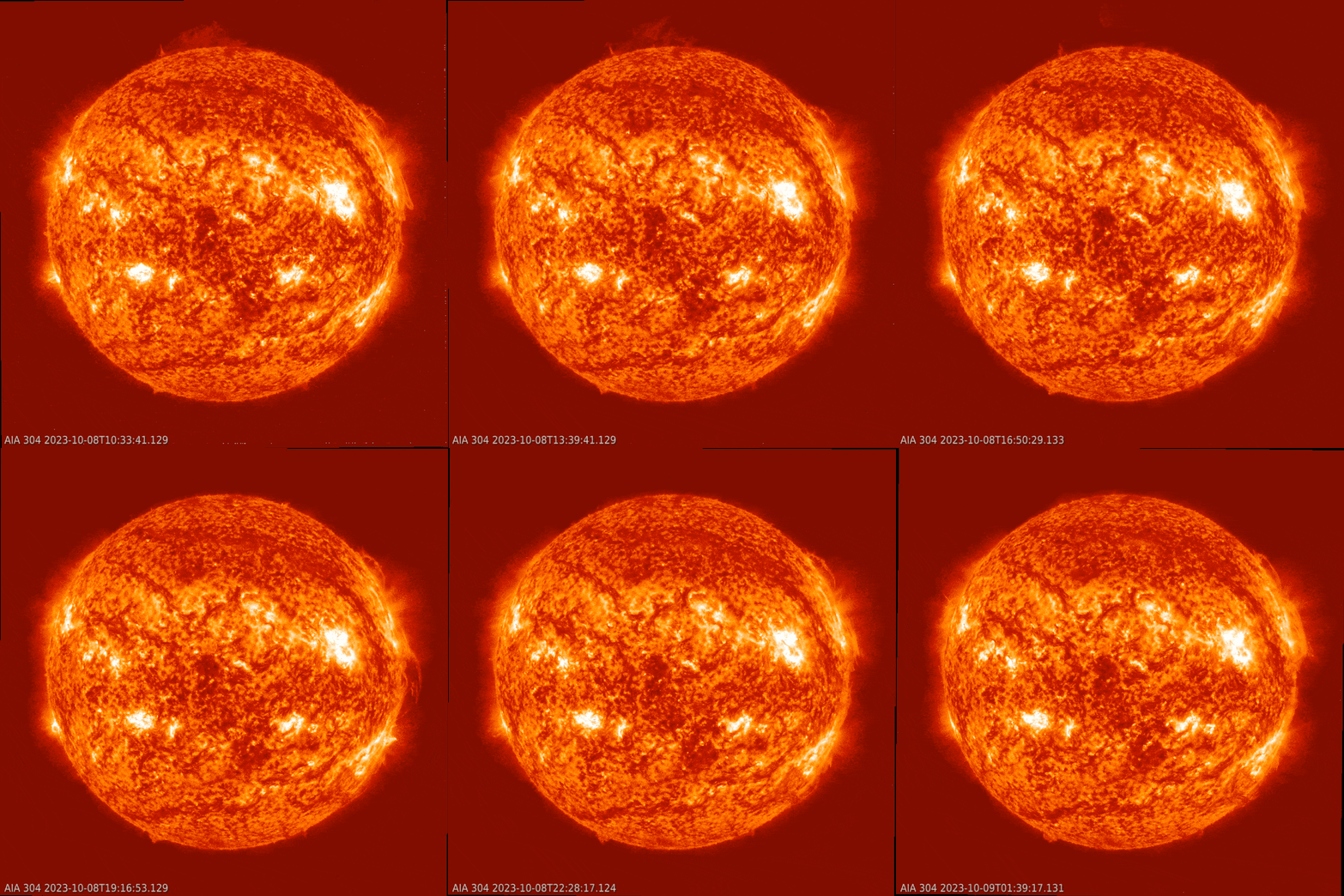
Sun activity archive for October 2023. A daily record of flaring, big filaments and prominences, and other sorts of activity, on our local star.
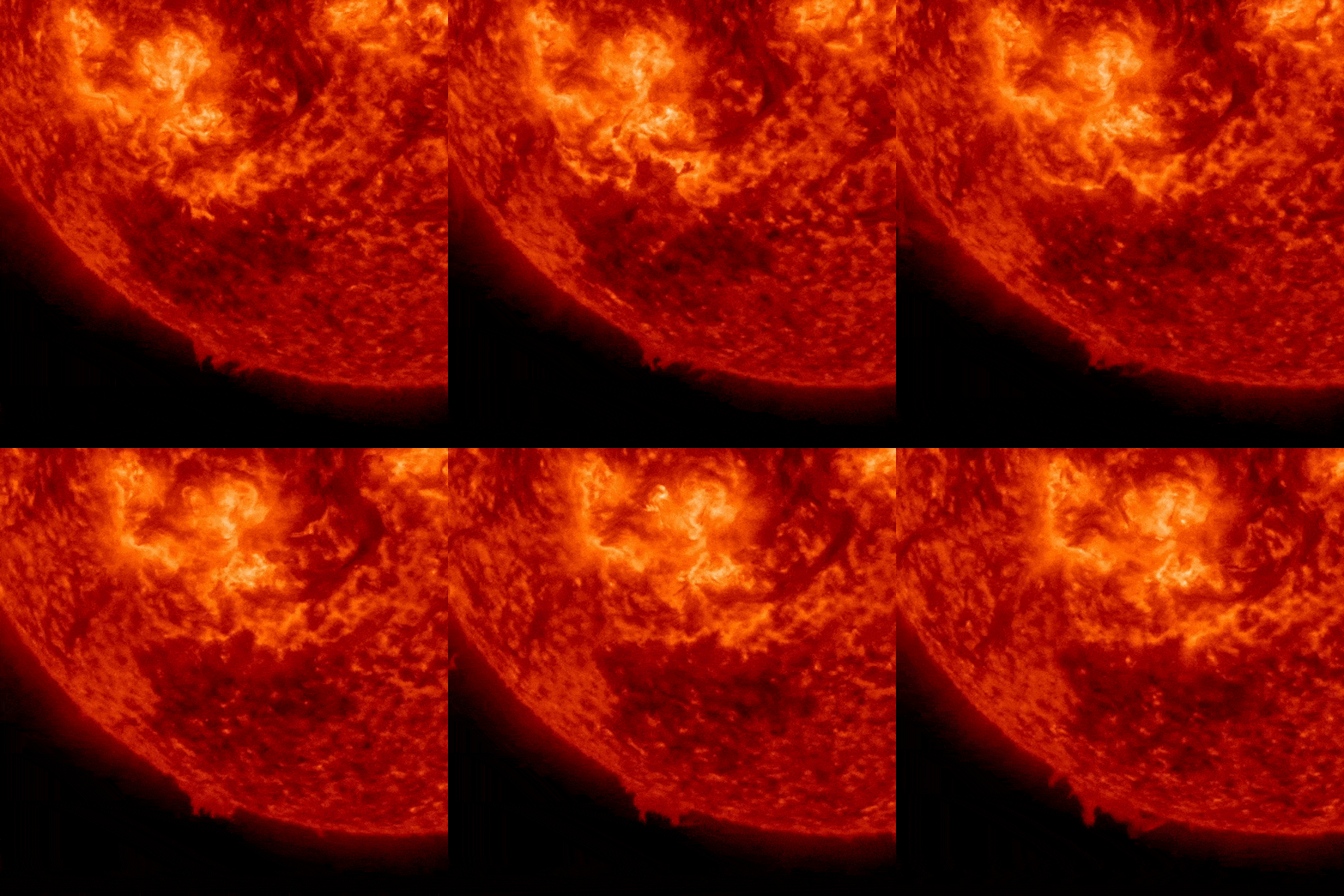
Sun activity archive for July 2023. A daily record of flaring, big filaments and prominences, and other sorts of activity, on our local star.
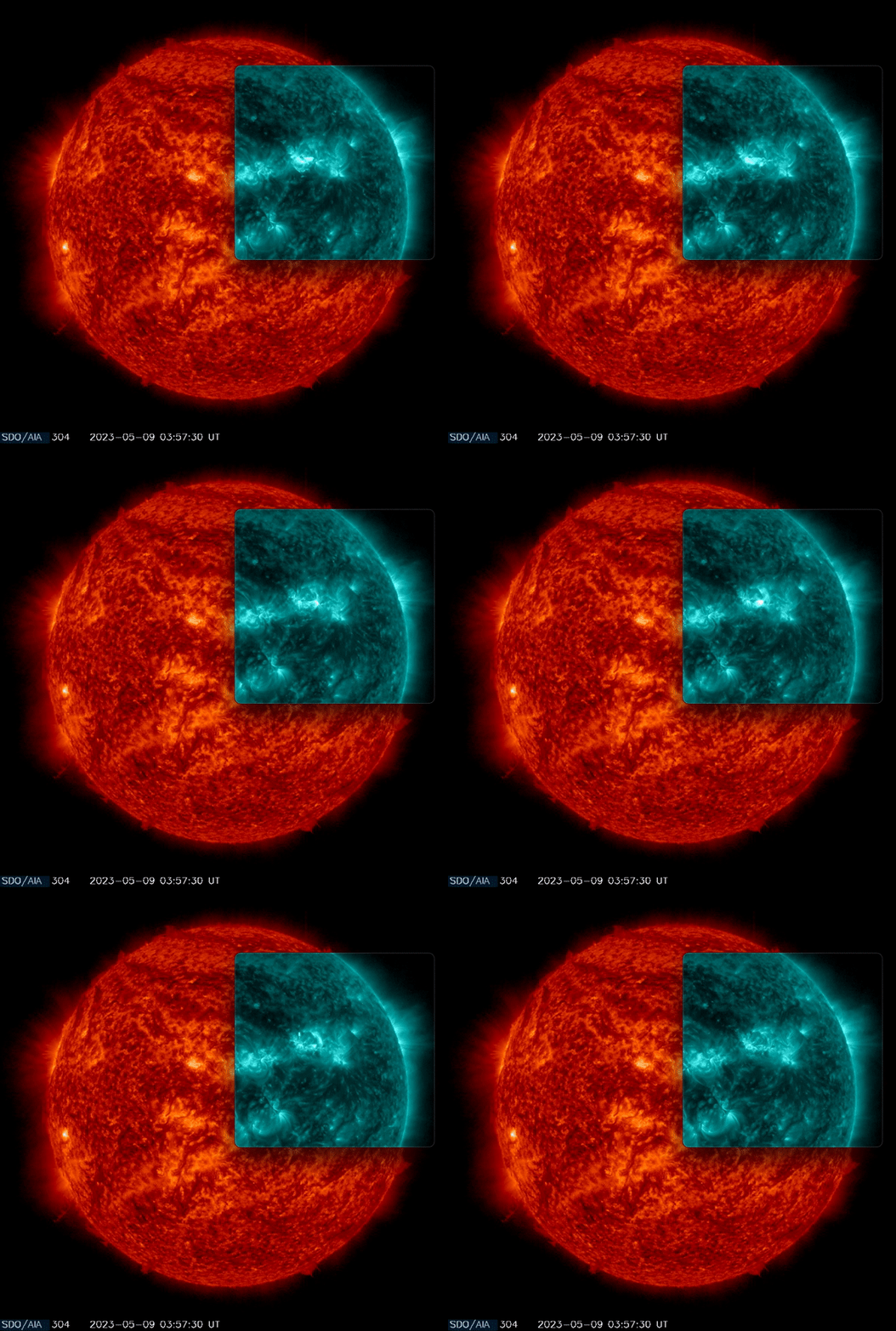
Sun activity archive for May 2023. A daily record of flaring, big filaments and prominences, and other sorts of activity, on our local star.
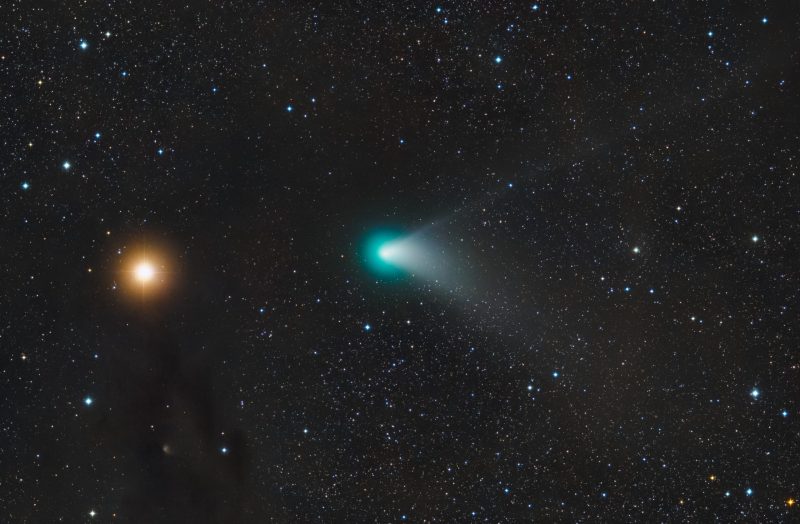
Enjoy these photos of Comet 2022 E3 (ZTF) as it departs the inner solar system. It was closest to Earth on February 1 and 2, 2023.
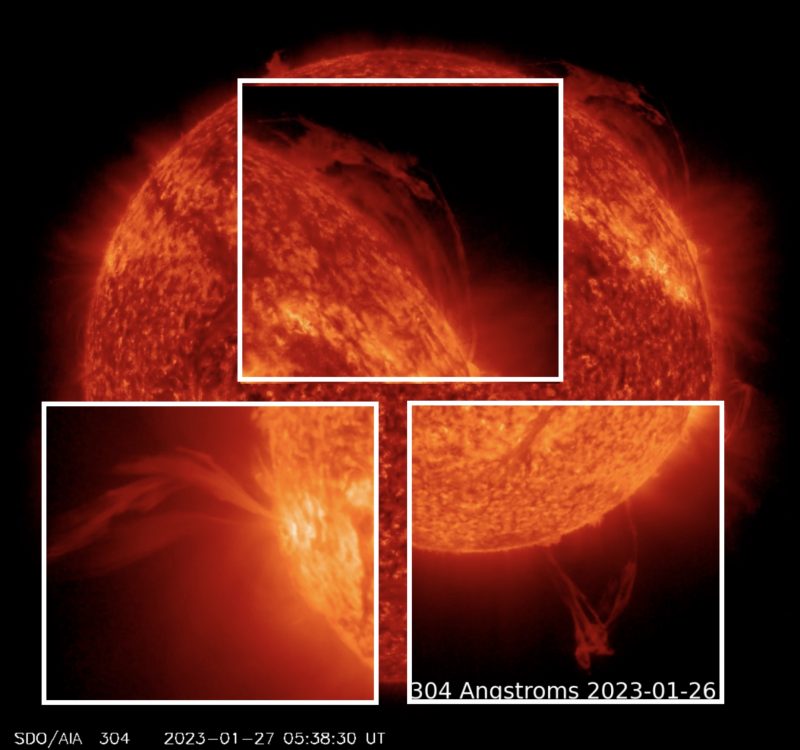
Sun activity archive for January 2023. A daily record of flaring, big filaments and prominences, and other sorts of activity, on our local star.
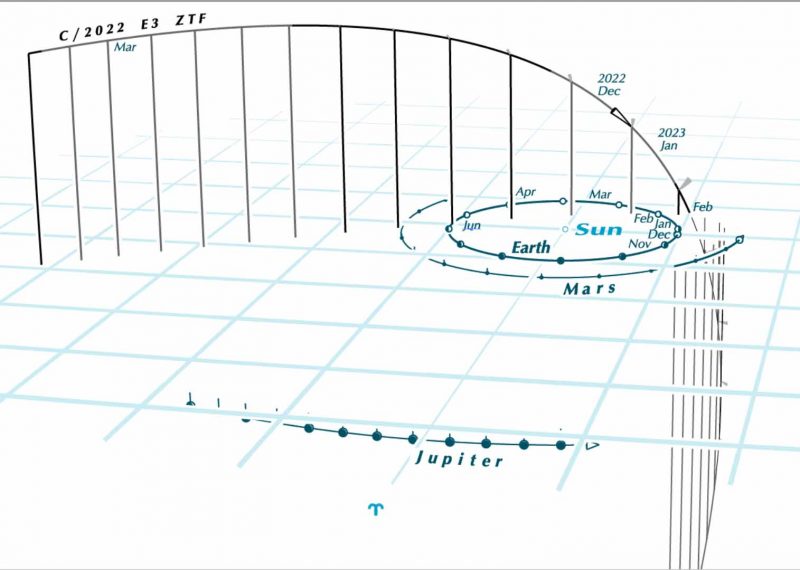
Learn about the trajectory of the green comet - Comet 2022 E3 ZTF - by the renowned astronomer Guy Ottewell. The comet will be closest to Earth on February 2.
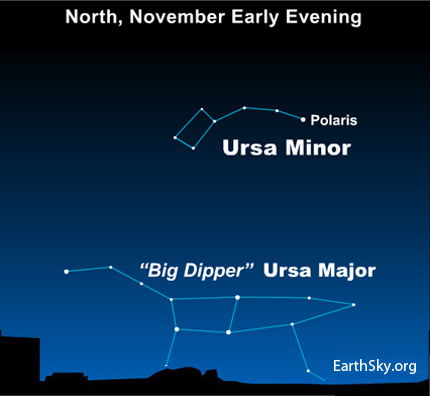
Every year, the Big Dipper (Great Bear) descends to its lowest point in the sky on November evenings. This makes it difficult, or impossible, to see.
Green Comet 45P has been in our sky for months and passed closest on February 11, 2017. It's a faint one, but intrepid astronomers have captured some wonderful images!