



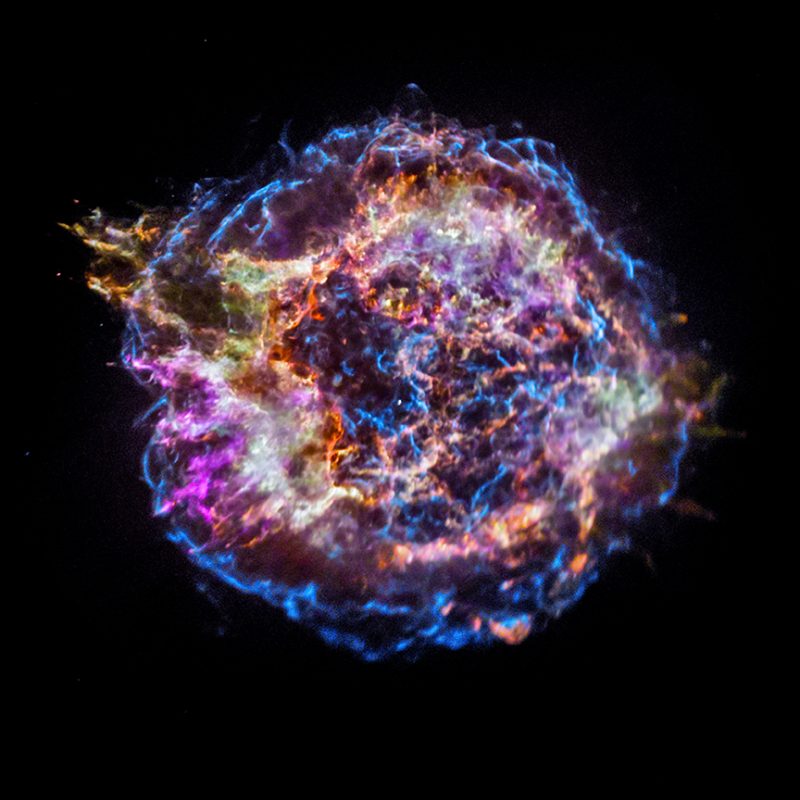
Chandra X-ray Observatory released a new wonderful image (above) this month of Cassiopeia A, a well-studied supernova remnant. Cass A is what is left of a star that exploded and that must have appeared in Earth’s sky some 300 years ago. The expanding cloud of material left by the supernova now measures approximately 10 light-years across from our earthly perspective. What’s cool about this X-ray image are different colors, which show the presence of different elements, including silicon (red), sulfur (yellow), calcium (green) and iron (purple). These are the elements in our bodies and all around us on Earth and in space. They are indeed created inside stars and released to space by supernovae. The blast wave from the Cass A explosion is seen as the blue outer ring. A statement from Chandra said:
Astronomers have long studied exploded stars and their remains — known as ‘supernova remnants’ — to better understand exactly how stars produce and then disseminate many of the elements observed on Earth, and in the cosmos at large.
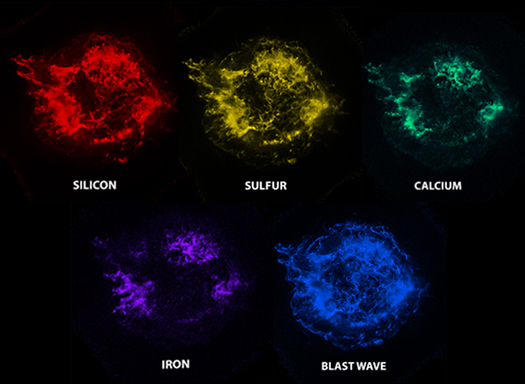
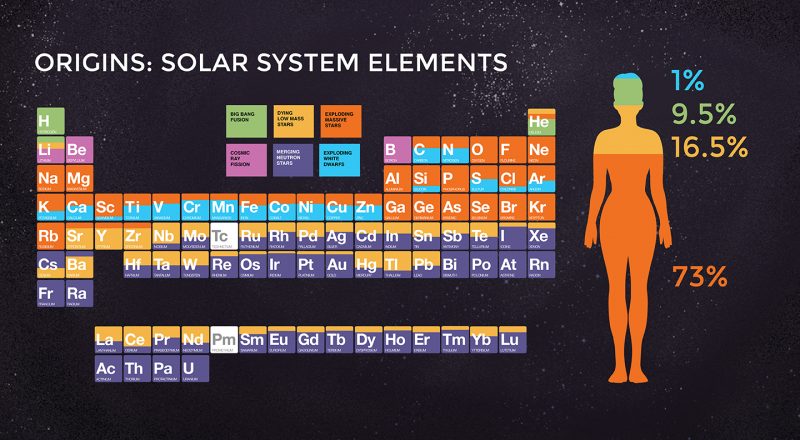
Bottom line: A new X-ray image from Chandra shows different colors, showing the release of different elements, including silicon (red), sulfur (yellow), calcium (green) and iron (purple). These elements may eventually find their way into new planets, and perhaps new living creatures.
Like what you read?
Subscribe and receive daily news delivered to your inbox.
More from
Deborah Byrd


Curiosity rover insights after 5000+ sols on Mars

Visible planets and night sky guide for September and October
Great Square of Pegasus gallops into the autumn sky
Yes, there’s an aurora season, and it’s here



