



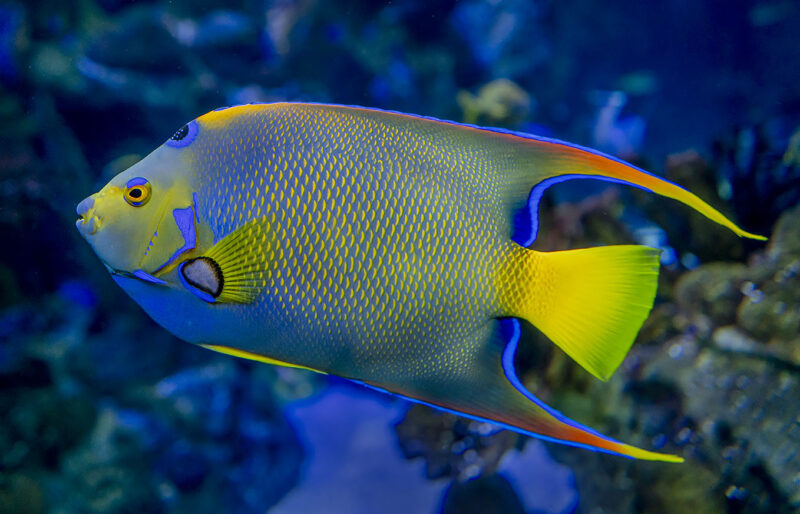
Motorboat noise could be doing more than just disturbing life beneath the ocean’s surface. New research from the University of Exeter, the University of Bristol and James Cook University suggests that repeated exposure to motorboat noise during early development can have lasting effects on reef fish, potentially affecting both their growth and their ability to respond to danger.
The findings reveal a hidden cost of boat traffic for reef ecosystems, with effects that can persist long after the boats have passed.
The researchers published their findings in the peer-reviewed journal Environmental Pollution on August 28, 2026.
Why reef fish are important
Reef fish are species that live in and around coral reefs, relying on these ecosystems for food, shelter and breeding grounds. Coral reefs support an extraordinary variety of marine life and provide habitats for thousands of fish species across tropical and subtropical waters.
But these ecosystems face pressure from many human activities, and underwater noise is one of the less visible disturbances. Motorboats can introduce persistent sounds into reef environments, potentially changing the conditions young fish experience during some of the most important stages of their development.
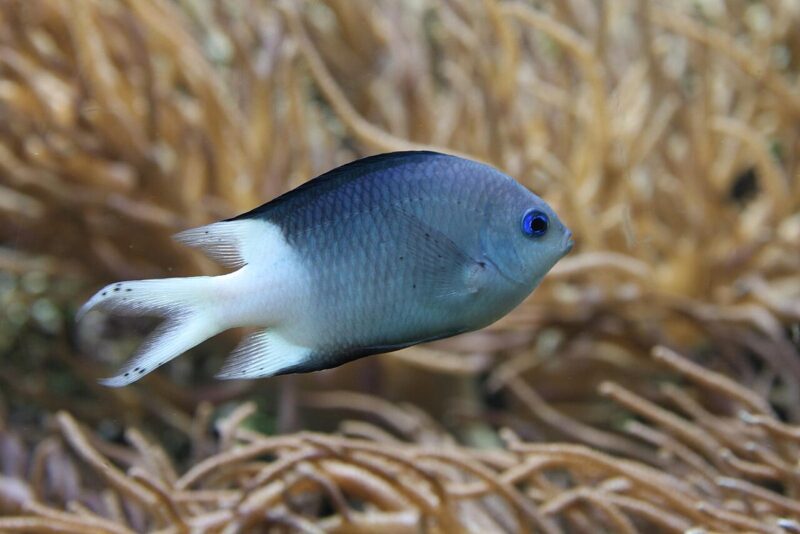
To investigate the longer-term effects of this noise, researchers from the University of Exeter, University of Bristol and James Cook University studied a species found on Australia’s Great Barrier Reef: the spiny chromis.
Testing noise during early development
The researchers exposed the fish to recordings of either motorboat noise or natural reef sounds at two different stages of development: as embryos and shortly after hatching.
The researchers divided the fish into four groups. Some heard natural reef sounds before and after hatching, while others heard motorboat noise at both stages. The remaining two groups switched from one sound to the other after hatching.
The exposure lasted for up to 78 days. The researchers then stopped playing sounds 24 hours before testing the fish and kept the tanks silent during the test.
This allowed them to determine whether the noise had produced longer-lasting effects rather than simply distracting the fish while they were hearing the sound.
Noise changed their response to predators
The researchers wanted to know whether exposure to motorboat noise could affect one of the most important skills a young fish needs: escaping a predator.
The researchers simulated a predator attack by dropping a weight onto the surface of the water. For spiny chromis, the natural response to a threat is to bend the body into a “C” shape before rapidly swimming away from the danger.
Among fish that had experienced natural reef sounds during at least one stage of development, around 80% responded to the simulated attack. However, about 20% of those fish made a fatal mistake: they swam towards the predator instead of away from it.
The results were more concerning among fish exposed to motorboat noise during both stages of early development. Only 68% responded to the simulated attack, and 40% of those responders swam towards the predator.
Because the researchers did not expose the fish to any sound during the test itself, the results suggest that the effects were not simply an immediate reaction to the noise. Instead, early exposure appeared to have changed how the fish responded to danger later on.
Motorboat noise can affect growth
The researchers also found a clear difference in body size among fish exposed to boat noise after hatching. On average, those fish were 7% shorter than fish exposed to natural reef sounds.
The researchers suggest that several mechanisms could contribute to this effect. Notably, previous research has shown that motorboat noise can alter parental care behavior. Sophie Nedelec, a senior research fellow at the University of Exeter, said:
We know from previous research that motorboat noise affects parental care behavior, including oxygenating eggs by fanning during the embryonic phase, which is linked with their survival.
She added:
[Exposure to motorboat noise] could cause stress or affect feeding, creating cumulative effects that lead to poor assessment of risk and decision making, and smaller body size.
Effects that can persist beyond the noise
The findings suggest that noise pollution can influence young reef fish even when the source of the disturbance is no longer present. Nedelec said:
Our results show that exposure to motorboat noise during early development can affect growth and disrupt the escape response of juveniles, even when the escape occurs in relatively quiet conditions.
The combination of reduced growth and poorer predator responses could be particularly important in the wild, where young fish already face intense pressure from predators and must make rapid decisions to survive.
Could limiting boat traffic help?
The researchers suggest that limiting motorboat traffic close to reefs during the breeding season could help protect young reef fish from these effects. Nedelec explained that:
Limiting motorboat traffic close to reefs during the breeding season may reduce these effects and protect reef fish – thereby helping to preserve coral reefs, which are valuable and vulnerable ecosystems worldwide.
For these young fish, motorboat noise is not simply an annoyance. It can affect their growth and their ability to escape danger, two factors that can make the difference between surviving and becoming prey.
Bottom line: Reef fish exposed to motorboat noise can end up smaller and struggle to escape predators, says new research into dangerous underwater noise.
Read more: Wild fish can recognize unique humans with visual cues
Like what you read?
Subscribe and receive daily news delivered to your inbox.
More from
Cristina Ortiz


Giant trees break a decades-old science theory

Walking shark discovered in Papua New Guinea
The giraffe weevil: When a beetle grows a giraffe’s neck
The boat-billed heron: When nature thinks big


