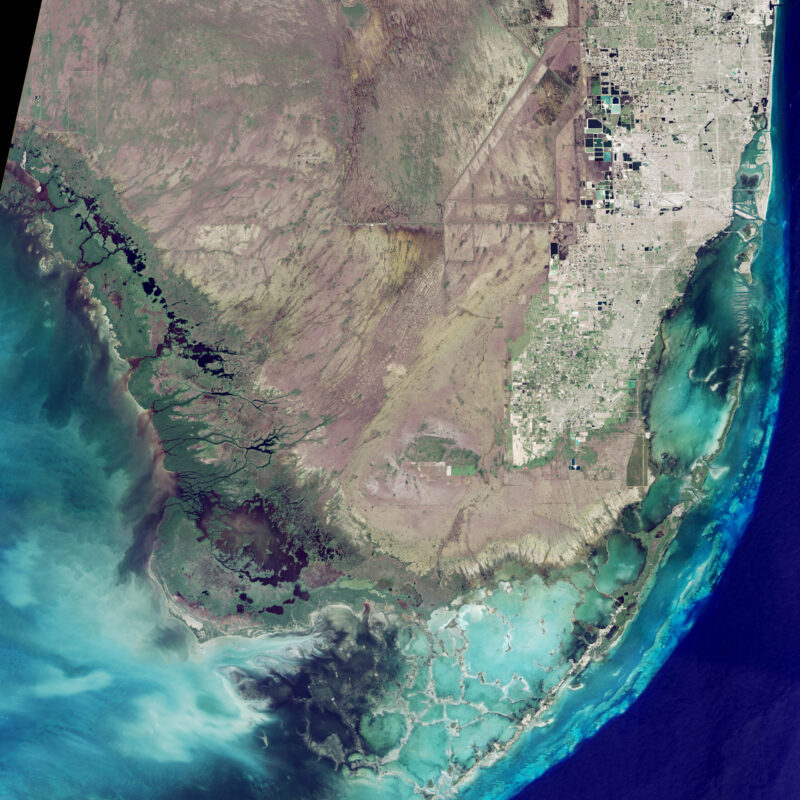
(1) The Landsat 8 satellite captured this view of a national park from space. The southern part of the state you see here is dominated by a River of Grass, the only place in the world where alligators and crocodiles coexist. Can you name this national park? Read on to see how many more national parks from space you can name and find the answers at the bottom of the article. All images this page via NASA’s Earth Observatory.
It’s National Park Week! In 2026, we celebrate the US national parks from August 22 to 30. And in honor of what has been called America’s best idea, we at EarthSky are challenging you to see how many parks you can identify from space.
America’s national parks look spectacular from the ground. But from hundreds of miles above Earth, they take on an entirely different appearance. Rivers become thin threads, mountains reveal their enormous scale and some of the landscapes we recognize instantly from photographs become surprisingly difficult to identify.
The national park image above is one that might be easy to recognize. You can see the curve of southern Florida, with Miami and its suburbs to the east and the start of the Keys to the south. The green wetlands that dominate the southern portion of the state, where crocodiles mix with alligators, has been nicknamed the River of Grass. Try your hand at nine more parks below, which we’ve divided up into categories of easy, medium and hard. Good luck!
Easy: New visitor category
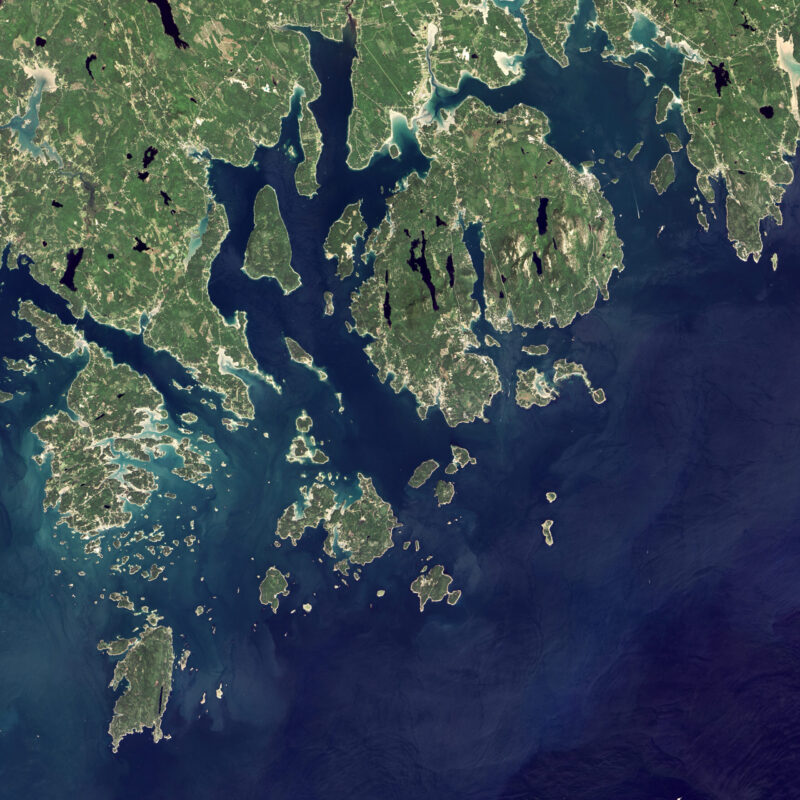
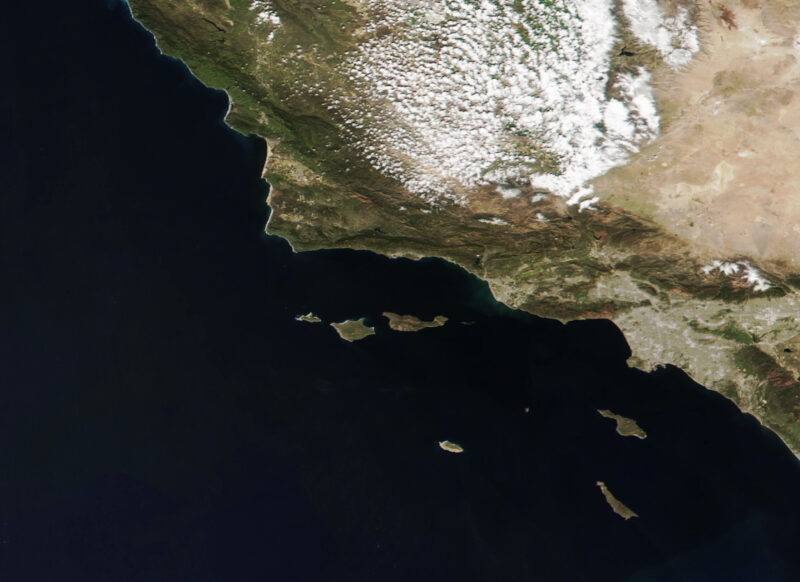
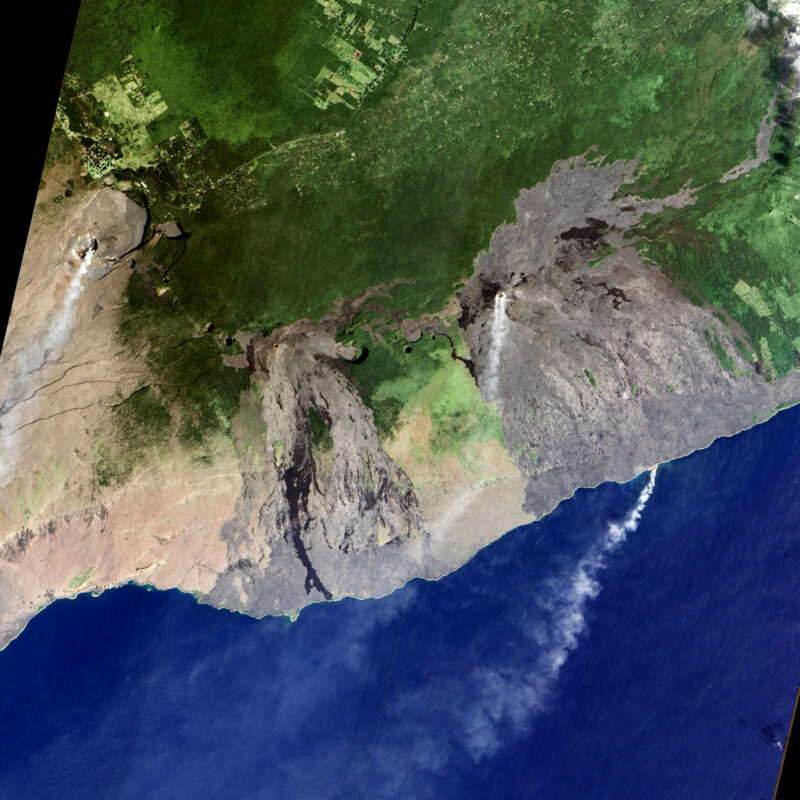
(2) Nearly half of this national park on the East Coast consists of Mount Desert Island, which has a dual-lobed shape as seen from above. And on this island you’ll find Cadillac Mountain, which is the first place to see sunrise in the continental U.S. during the winter months. Can you name this park?(3) This national park might sit just offshore from one of the most populous areas in the U.S., yet its isolation gives it the nickname of Galapagos of North America. Half the park is underwater, including giant kelp forests. Meanwhile, on land you’ll find more than 145 plant and animal species found nowhere else on Earth, including the inquisitive island fox.(4) Proximity to water can certainly make it easier to identify a location from space. But in this case, the plumes of smoke and dark black substance running toward the sea should help you solve the mystery. The activity here is creating some of the newest earth on … well, Earth!
Medium: Backpacker category
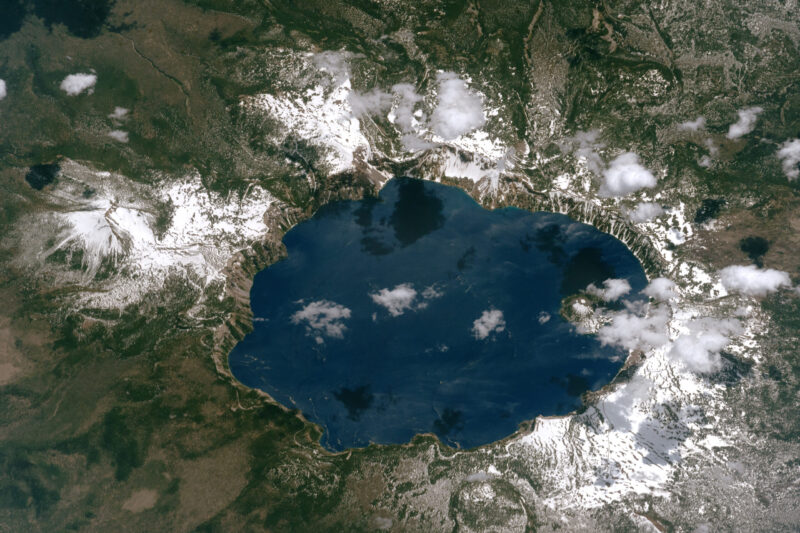
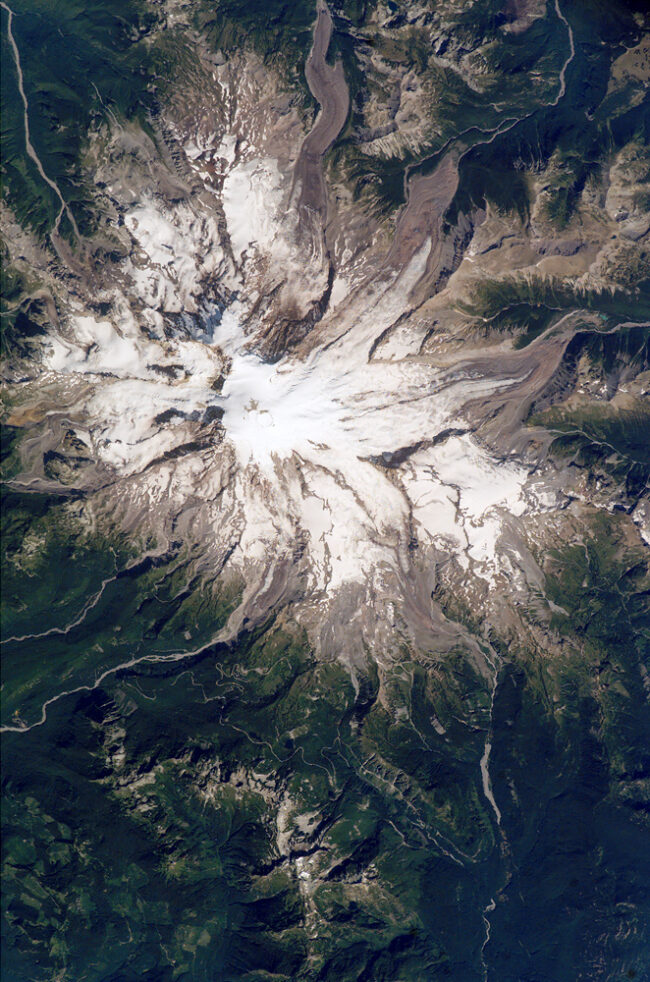
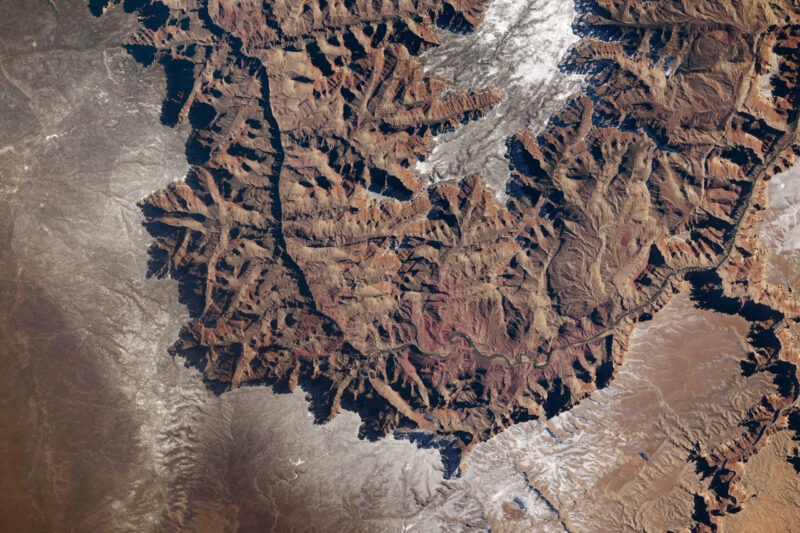
(5) This national park is centered around a volcano – Mount Mazama – that blew its top some 7,000 years ago. Now, rainwater has filled the space, creating the deepest lake in the U.S. at 1,943 feet. You can still see the cinder cone (partially hidden by clouds here), named Wizard Island, poking through the blue waters.(6) This majestic, snow-covered mountain is the source of 5 major rivers. That’s thanks to the 28 named glaciers on its flanks. Though it’s not expected to erupt any time soon, this is an active volcano.(7) The first clue to solving this puzzle is knowing that often, when viewing satellite photos, depressions can look like bulges and vice versa. Scientists call this the crater-dome illusion. Look closely, and you’ll see that’s not a ridge, but a muddy river that snakes through miles of weathered terrain.
Hard: Park ranger category
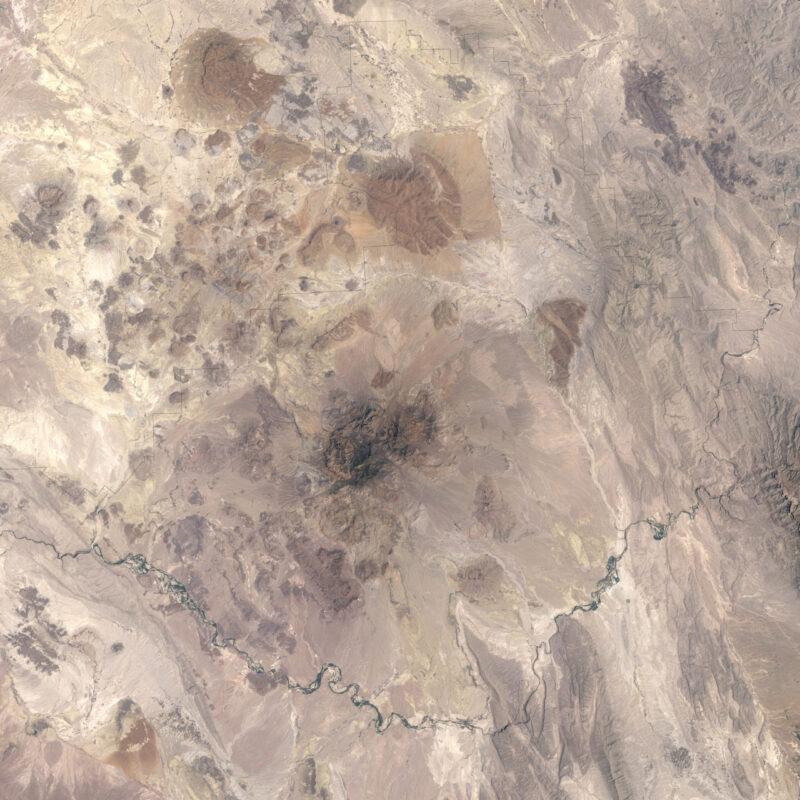
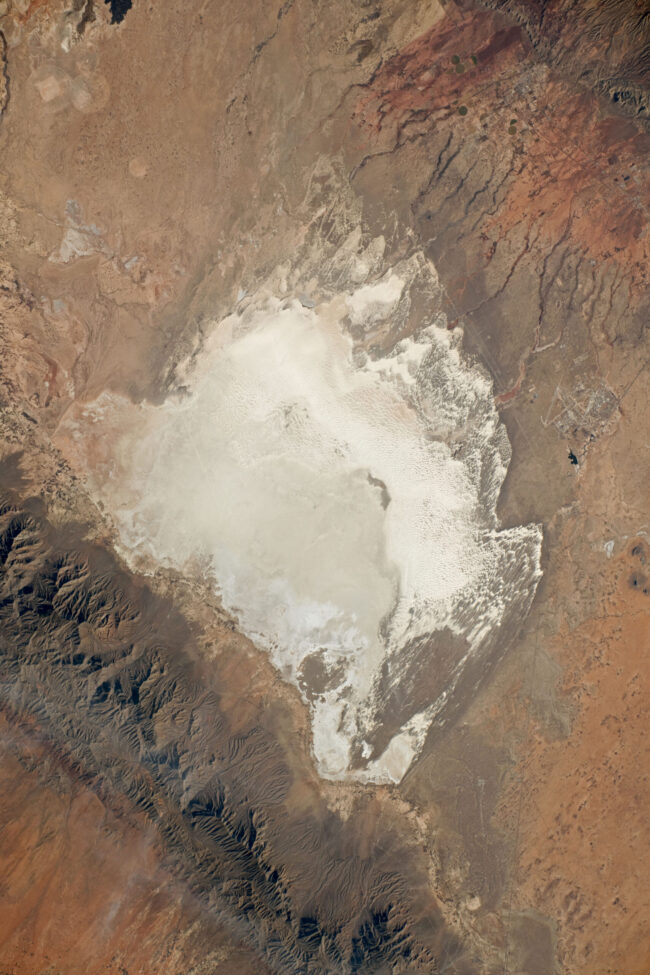
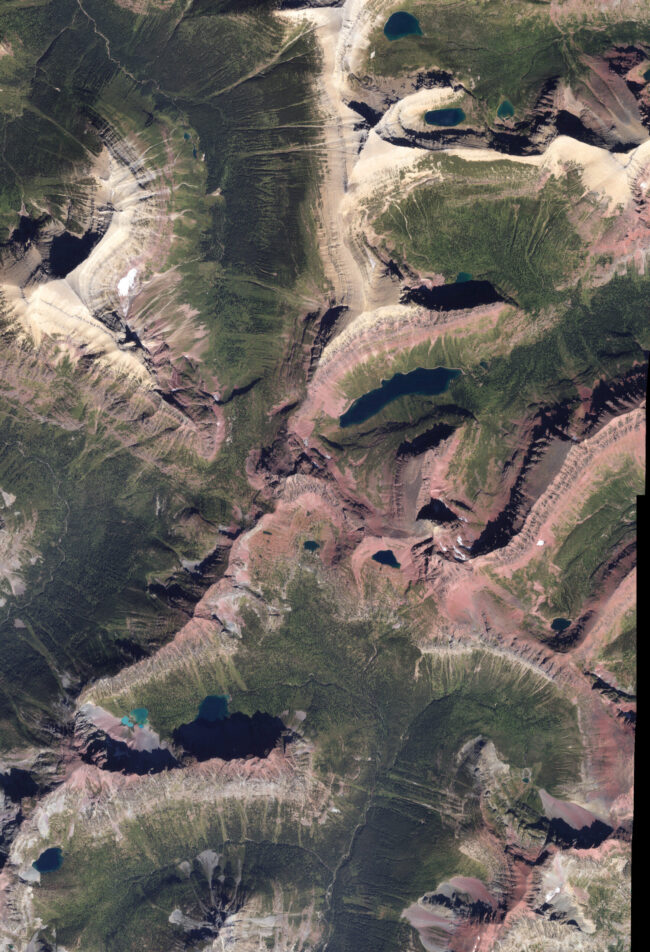
(8) That dark cluster of mountains you see below is the only mountain range in the U.S. completely inside a single national park. This park also contains 450 species of birds, more than any other U.S. national park. Need a hint in identifying it? Trace the river below that outlines part of its border.(9) The light-colored splotch in the middle of this image shows the largest dunefield of its kind in the world. There are fossilized Ice Age human and animal footprints preserved here. And the life that resides here today can be pale in color to match its surroundings, like the bleached earless lizard.(10) This park contains rocks that are hundreds of millions of years old. The park is also home to Triple Divide Peak, where rain that falls on it can flow either to the Atlantic, Pacific or Arctic Oceans, which has earned the park the nickname Crown of the Continents. Its blue and turquoise lakes are due to ground-up rocks that scatter light.
Answers for the national parks from space quiz
(1) Everglades, via Landsat 8
(2) Acadia, via Landsat 8
(3) Channel Islands, via NOAA-20 satellite
(4) Hawaii Volcanoes, via Earth Observing-1 satellite
(5) Crater Lake, via ISS
(6) Mount Rainier, via ISS
(7) Grand Canyon, via ISS
(8) Big Bend, via Landsat 7
(9) White Sands, via ISS
(10) Glacier, via Ikonos satellite
How did you score?
0-3: Hello, new visitor! Welcome to the national parks.
4-7: Congrats on attaining the level of expert backpacker!
8+: Okay, are you secretly a park ranger?
Bottom line: Take the quiz to see how many national parks from space you can name. And don’t forget to celebrate National Park Week, from August 22 to 30!
Kelly Kizer Whitt writes and edits some of the most fascinating stories at EarthSky.org. She's been writing about science, with a focus on astronomy, for decades. She began her career at Astronomy Magazine and made regular contributions to other outlets, including AstronomyToday and the Sierra Club. She has nine published books, including a children's picture book, Solar System Forecast, and a young adult dystopian novel, A Different Sky.
Like what you read? Subscribe and receive daily news delivered to your inbox.
Thank you! Your submission has been received!
Oops! Something went wrong while submitting the form.