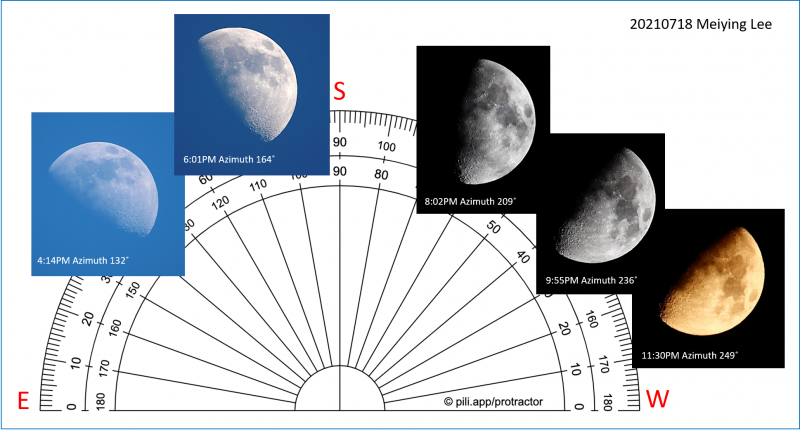
View at EarthSky Community Photos. | Meiying Lee in Taipei, Taiwan, captured the images to create this moon composite across a single evening. It shows how the angle of the moon – and the color of both the moon itself and the background sky – change from when you might first spy it in late afternoon, until after midnight, when it sets. Meiying told us: “This photo is a combination of different azimuths in the sky of a waxing gibbous moon in the same night. You can observe the changes of the moon’s disk in the sky and the color of the moon in different sky.” Thank you, Meiying!
Waxing gibbous: more than half-lit, less than full
You’ll see a waxing gibbous moon between a first quarter moon and full moon. The word gibbous comes from a root word that means hump-backed.
People often see a waxing gibbous moon in the afternoon, shortly after moonrise, while it’s ascending in the east as the sun is descending in the west. Take a look at Meiying Lee’s illustration above to see the change in the angle and color of the waxing gibbous moon, as it’s visible from afternoon until after midnight. The moon at this phase is easy to see in the daytime because, at waxing gibbous moon, a respectably large fraction of the moon’s dayside faces our way.
Views of the waxing gibbous moon
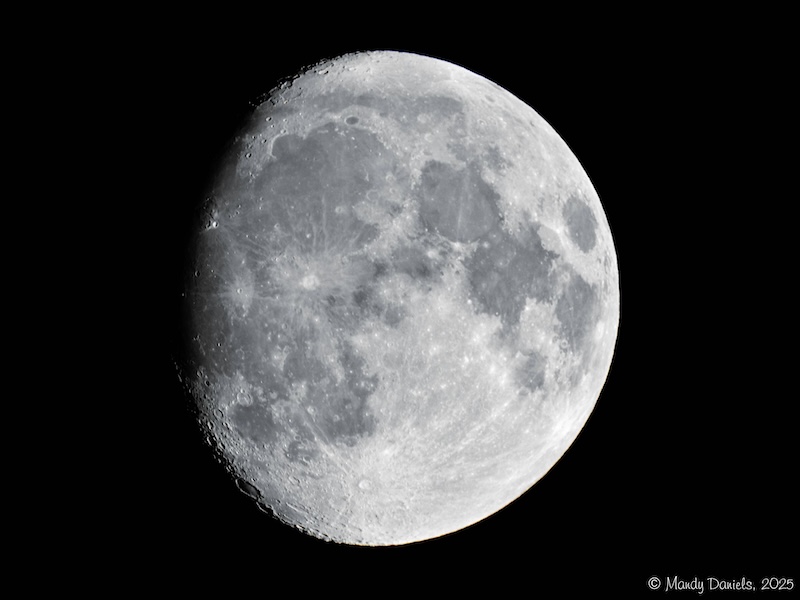
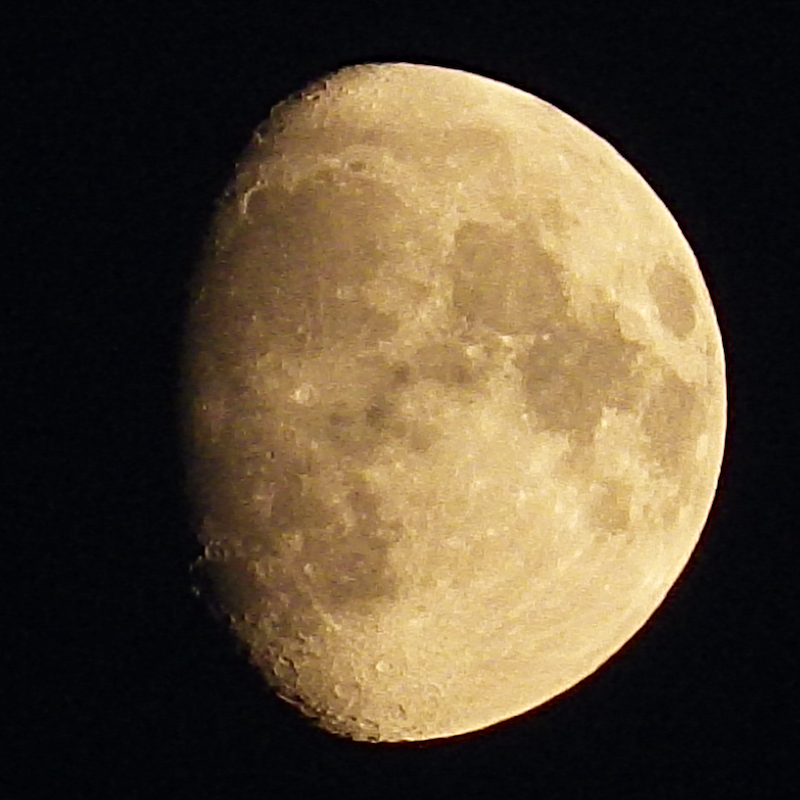
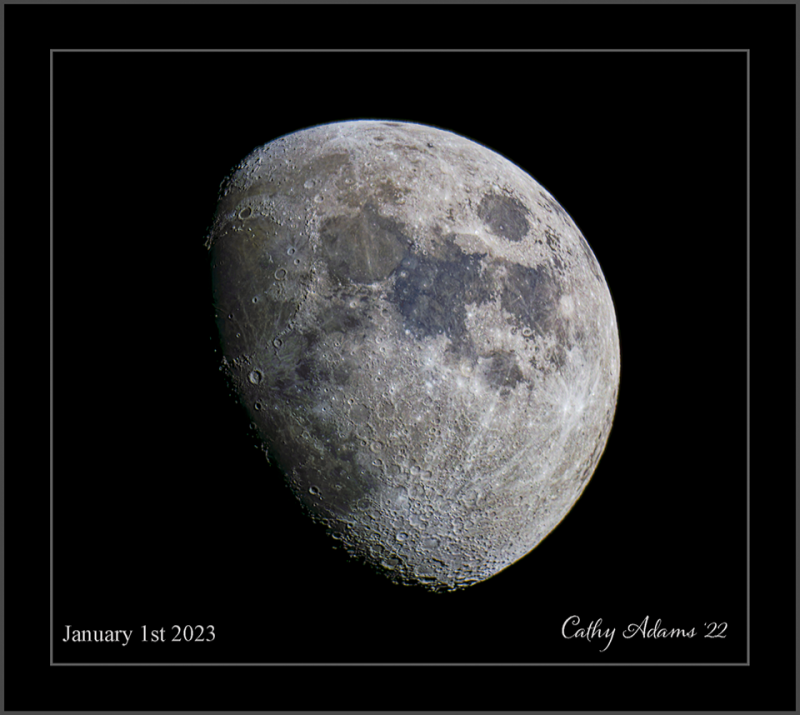
View at EarthSky Community Photos. | Mandy Daniels captured this image from the UK on September 4, 2025, and wrote: “The waxing gibbous moon, showing 90% phase'” Thank you Mandy!View at EarthSky Community Photos. | Deirdre Horan of Dublin, Ireland, captured the waxing gibbous moon on August 15, 2024. Thank you, Deirdre!View at EarthSky Community Photos. | Cathy Adams in St. Stephen, Canada, took this image of the waxing gibbous moon on January 1, 2023. Cathy wrote: “First moon of 2023. Had to shoot between the clouds, but there were a few tiny windows.” Thank you, Cathy!
Read about the moon’s phases
As the moon orbits Earth, it changes phase in an orderly way. Follow these links to understand the various phases of the moon.
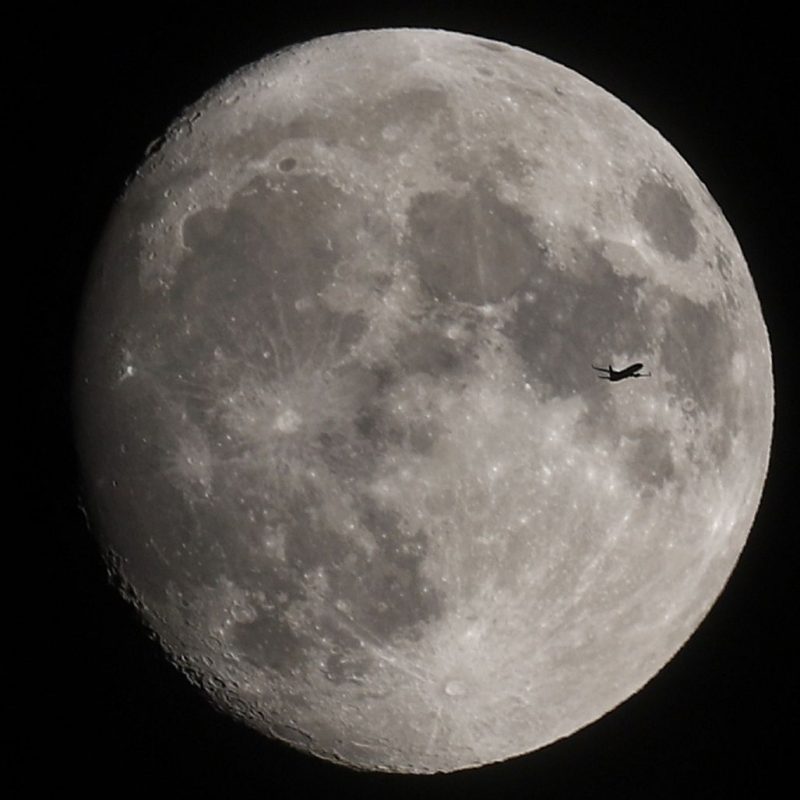
View at EarthSky Community Photos. | Tawnya Silloway in Colorado Springs, Colorado, captured this image on August 28, 2023, a couple nights before full moon. Tawnya wrote: “Gazing at the moon last night and captured a flight to the moon!” Thank you, Tawnya!
Bottom line: A waxing gibbous moon is in the sky when darkness falls. It lights up the early evening. It appears more than half lighted, but less than full. A waxing gibbous moon comes between first quarter moon and full moon.
Deborah Byrd (asteroid 3505 Byrd) helps edit EarthSky.org and is a frequent host of EarthSky videos. Deborah created the EarthSky radio series in 1991 and founded EarthSky.org in 1994. Prior to that, she had worked for the University of Texas McDonald Observatory since 1976, and created and produced their Star Date radio series. She has won a galaxy of awards from the broadcasting and science communities, including having an asteroid named in her honor in 1990, a Public Service Award from the National Science Board in 2003, and the Education Prize from the American Astronomical Society in 2020. A science communicator and educator since 1976, Byrd believes in science as a force for good in the world and a vital tool for the 21st century. "Being an EarthSky editor is like hosting a big global party for cool nature-lovers," she says.
Like what you read? Subscribe and receive daily news delivered to your inbox.
Thank you! Your submission has been received!
Oops! Something went wrong while submitting the form.