



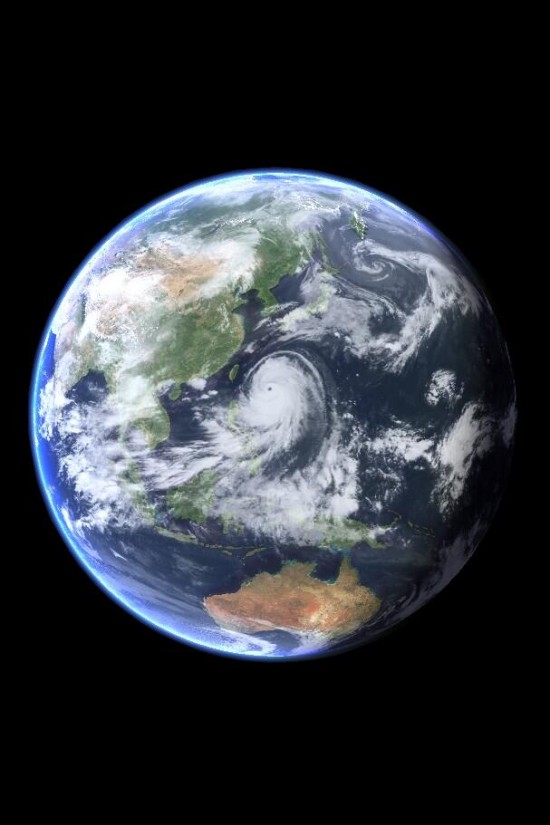
Neoguri lost its super typhoon status yesterday afternoon when dry air to west of the system weakened it. Prior to that weakening, meteorologists were using words like monster and beast to describe Neoguri, which, despite it slower wind speed, tore past the Philippines and buffeted Japan’s Okinawa Islands last night. The image above shows Neoguri on July 7, 2014. It hurtled across the Pacific as a massive storm, and as one point was expected to be the largest typhoon to have struck Japan in the month of July, ever. No more, though. It’s still expected to make landfall in Japan on July 9.
Read more: Typhoon Neoguri pounds Okinawa, moves on
Like what you read?
Subscribe and receive daily news delivered to your inbox.
Thank you! Your submission has been received!
Oops! Something went wrong while submitting the form.
More from
Deborah Byrd
View All


Visible planets and night sky guide for October

October 9, 2026
Hera mission hits the brakes to arrive at asteroid
October 8, 2026
Flashing star in autumn? Here are 3 candidates
October 6, 2026
Stargazing tips! 10 great tips for beginning astronomers
October 1, 2026



