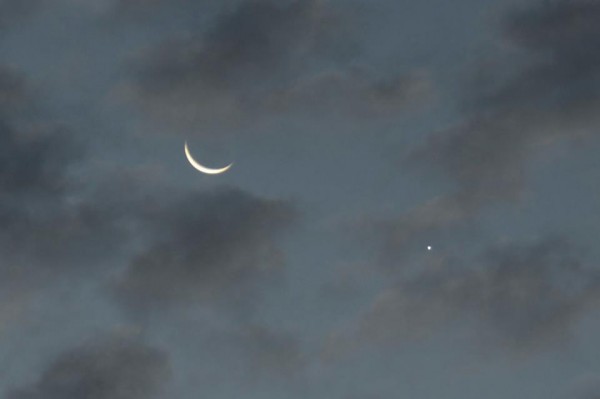
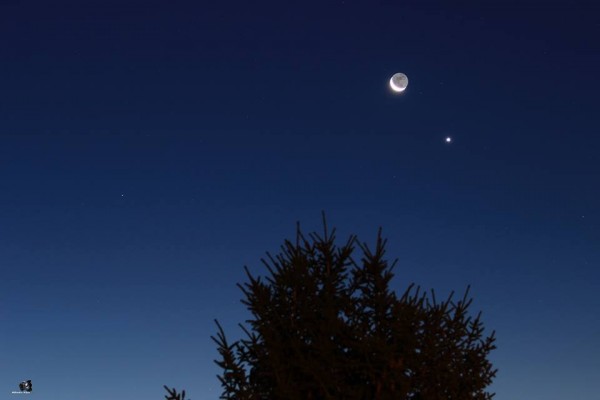
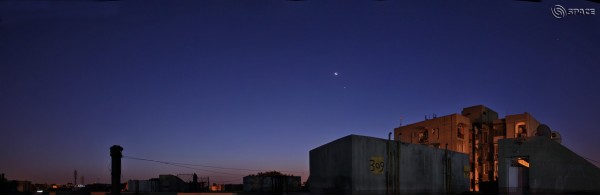
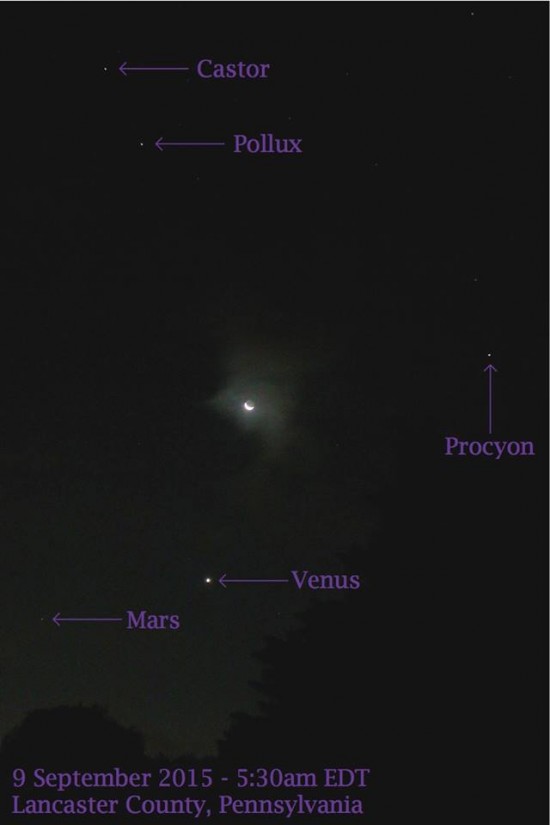
Venus and moon on September 10, 2015 by Annie Lewis in Spain.Venus and moon on September 10, 2015 by Brodin Alain in France.
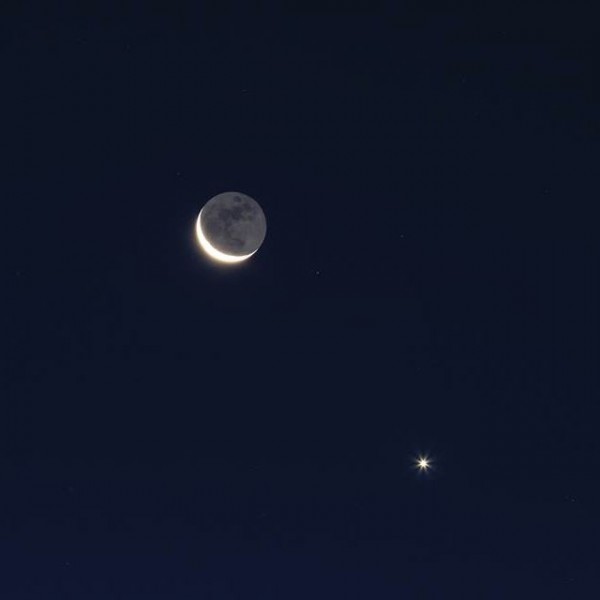
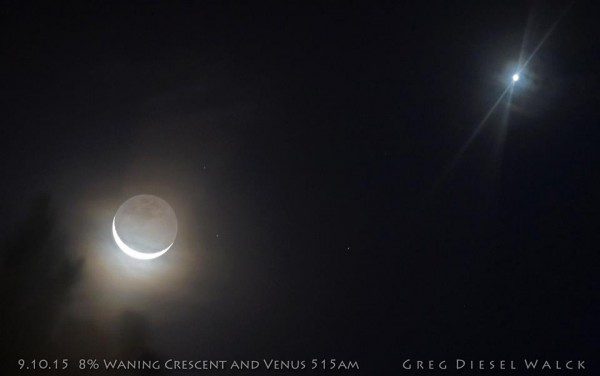
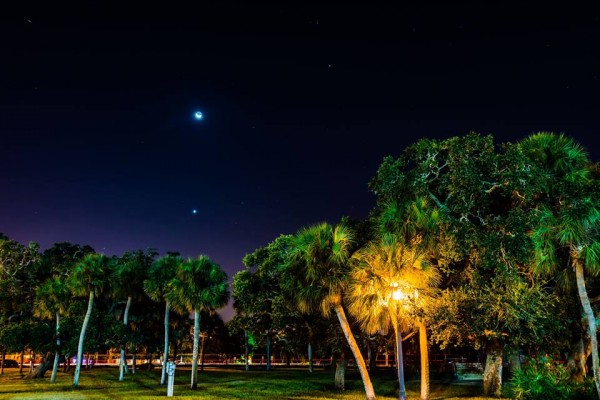
A closer shot of Venus and moon on September 10, 2015 by Brodin Alain in France.Venus and moon on September 10, 2015 by GregDiesel Landscape Phot ography in Currituck, North Carolina.
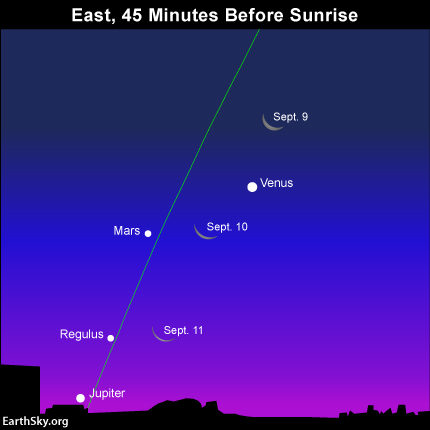
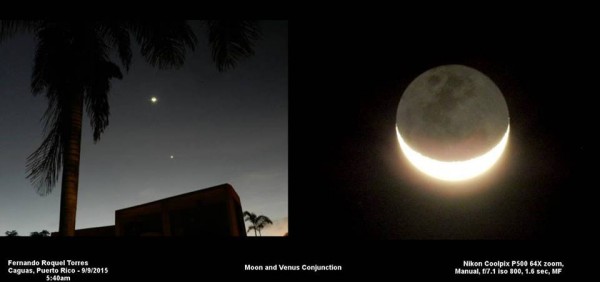
Greg Hogan wrote: “Thanks to your reminder yesterday I remembered to get up early and go have a peek. The sky was very clear.”Robert Ede at Lake Windermere in British Columbia wrote: “My dog Willow and I walked the banks overlooking Lake Windermere and watched Mars, Venus and a waning Crescent Moon rise over the mountains. Spectacular sight!”Venus and moon on September 10, 2015 by Mike Steuber in Germany.Venus and moon on September 10, 2015 by Jüri Voit in Estonia.Can you still see Venus and the moon for yourself? Yes. They’ll be visible again on the morning of September 11. Then the moon will sink into the dawn, while Venus remains in our morning sky for months to come. This is the view from North America on these mornings, but, as you can see from the photos on this page, these objects are visible near each other from around the world.Venus and moon on September 10, 2015 by Martin Marthadinata in Malaysia.View larger. | Venus and moon on September 10, 2015 by CB Devgun in India.Venus and moon on September 10, 2015 by Bret Gardner in Florida.Fernando Roquel Torres in Puerto Rico caught the moon and Venus on September 9.Beth Katz caught the moon and Venus on the morning of September 9, too. Thank you, Beth and all who posted!
Bottom line: The moon and Venus on the mornings of September 9 and 10, 2015, via photos from the EarthSky community.
Deborah Byrd (asteroid 3505 Byrd) helps edit EarthSky.org and is a frequent host of EarthSky videos. Deborah created the EarthSky radio series in 1991 and founded EarthSky.org in 1994. Prior to that, she had worked for the University of Texas McDonald Observatory since 1976, and created and produced their Star Date radio series. She has won a galaxy of awards from the broadcasting and science communities, including having an asteroid named in her honor in 1990, a Public Service Award from the National Science Board in 2003, and the Education Prize from the American Astronomical Society in 2020. A science communicator and educator since 1976, Byrd believes in science as a force for good in the world and a vital tool for the 21st century. "Being an EarthSky editor is like hosting a big global party for cool nature-lovers," she says.
Like what you read? Subscribe and receive daily news delivered to your inbox.
Thank you! Your submission has been received!
Oops! Something went wrong while submitting the form.