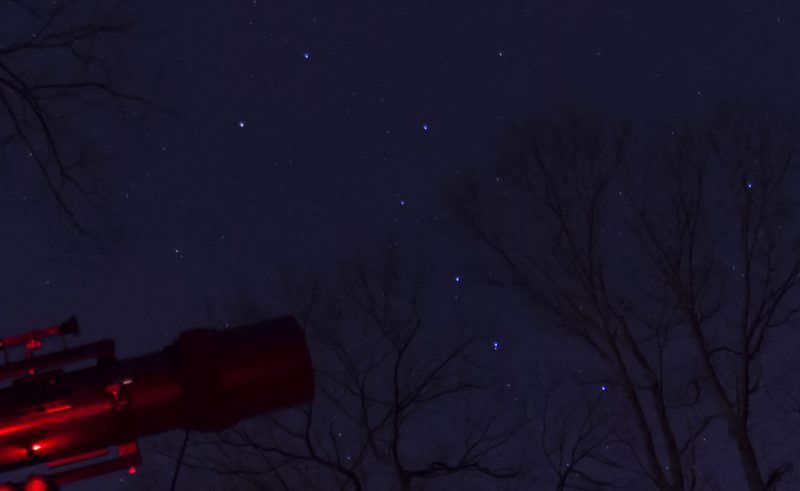
Kurt Zeppetello in Monroe, Connecticut wrote:
The Big Dipper is an asterism – a group of stars that form a recognizable pattern – made up of the seven brightest stars of constellation Ursa Major. It is one of the most popular asterisms in the Northern Hemisphere and has many astronomical features in its realm that most people aren’t aware of … including me, until recently.
There are 10 deep-sky objects – Messier objects – associated within this region. Late winter to spring is an excellent time to image or observe the Big Dipper and its associated objects, as it’s high overhead around midnight.
Eight of the ten Messier objects associated with the Big Dipper are galaxies, one is a planetary nebula, and one is a double star.
The photos below were captured with my modest equipment which consists of an 80mm refractor (Orion ED80) and a DSLR camera (Canon Rebel T3i – modified).
Thank you, Kurt!
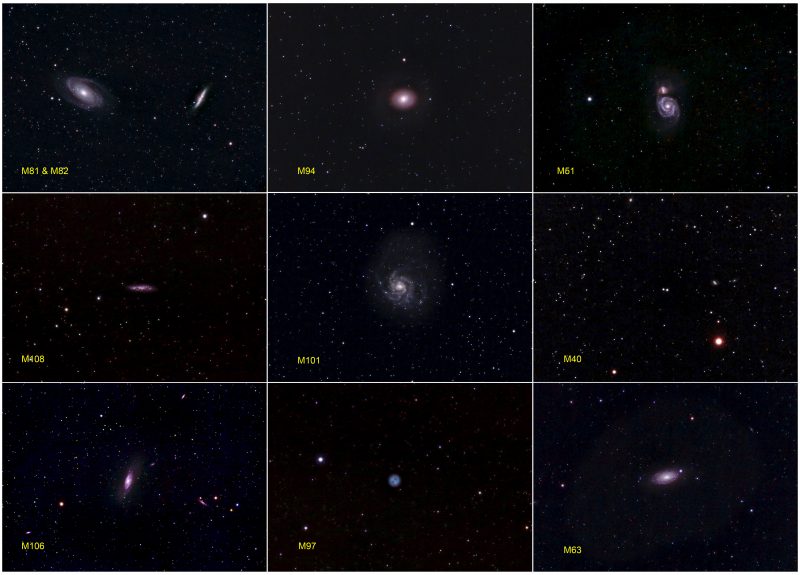
Bottom line: Messier objects in the famous Big Dipper asterism.
Like what you read?
Subscribe and receive daily news delivered to your inbox.
More from
Deborah Byrd


Visible planets and night sky guide for October

Stargazing tips! 10 great tips for beginning astronomers
Mars calendar year begins September 30: Happy New Year, Mars!
Alpha Cephei, or Alderamin, is a fast-spinning star