A daily update by email. Science news, great photos, sky alerts.
Ursa Major the Great Bear is in Northern Hemisphere skies and is home to the asterism of the Big Dipper, which you can use to find other constellations.
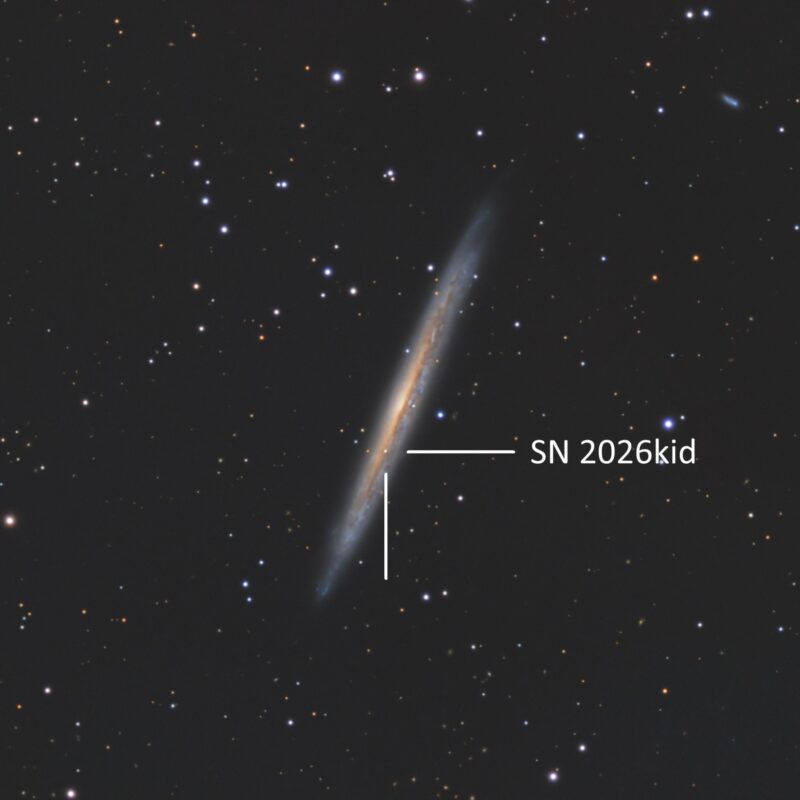
Get a fresh look at galaxies M81 and M82 in Ursa Major. These incredible images combine hours of exposures and processing for a look at fine structures.
Visible planets and night sky guide. Tomorrow evening, look for the moon near Spica, the brightest star in Virgo. The moon is waxing toward full this week.
Meteor showers are unpredictable but nothing beats them for a fun and relaxing time under the stars. Here are our 10 tips to optimize your meteor viewing time.
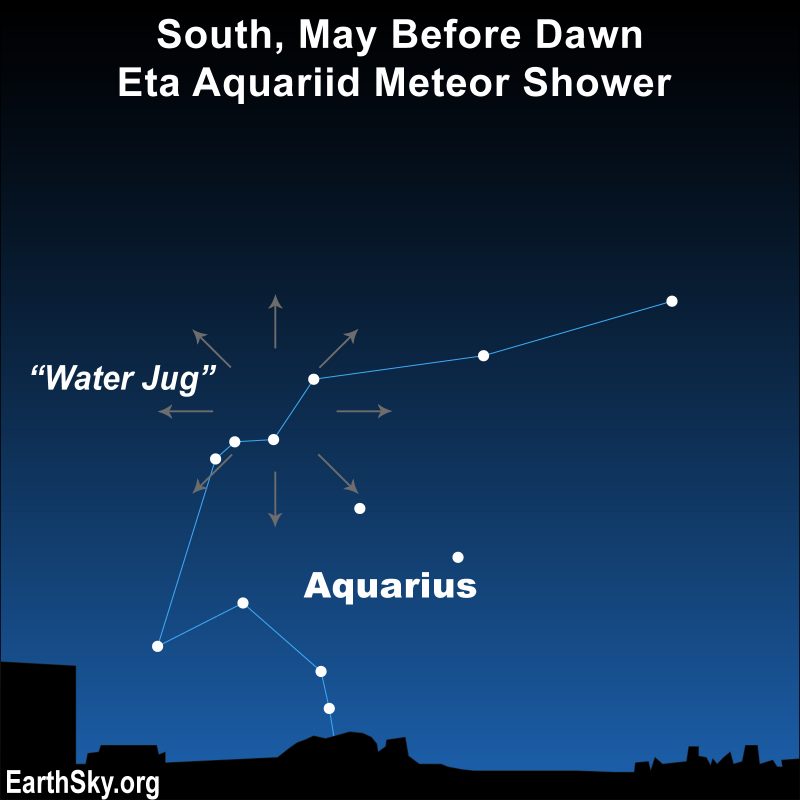
Up next is the Eta Aquariid meteor shower. Watch for them before dawn on May 5. Your 2026 meteor shower guide here.
If you only ever learn 1 star mnemonic, make it this one! Arc to Arcturus and speed on to Spica to identify 2 of the sky's brightest stars.
Enjoy this gallery of deep-sky photos for March 2026 from our EarthSky community. If you have a great photo to share, send it in, too. We love to see them!
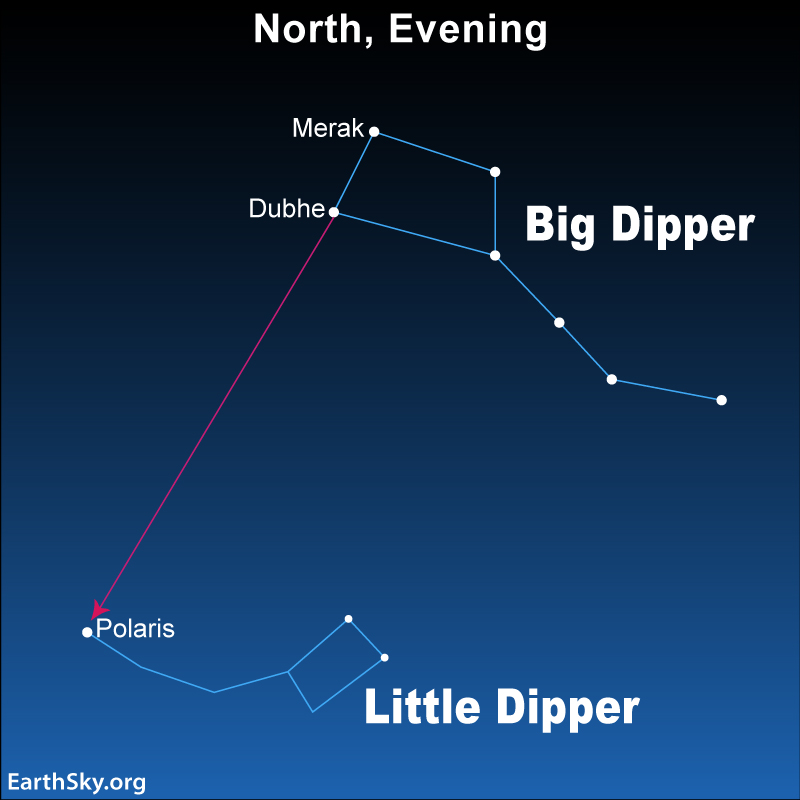
You can spot the Big and Little Dipper in the northern sky year-round. Follow the Big Dipper’s pointer stars to find Polaris and the Little Dipper.
Coma Berenices is the constellation of Queen Berenice's Hair. It used to be the tail of Leo the Lion before it became its own constellation.
What is a galaxy? We live in a galaxy called the Milky Way. But there is so much more to know about these grand and glorious star islands in space!
The constellation Lynx represents a wild cat and passes high overhead in March skies for the Northern Hemisphere. Learn its stars and deep-sky objects.
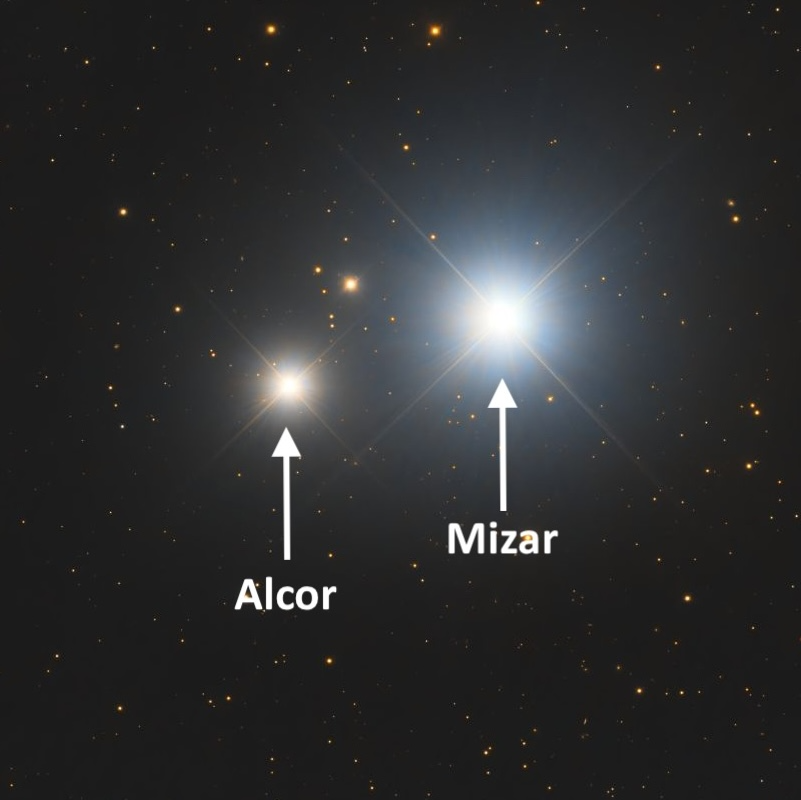
Mizar and Alcor are a famous pair of stars located at the bend of the handle of the Big Dipper. But what we see as 2 stars are really 6 stars!
Do you know how to find the North Star? The 2 outer stars in the bowl of the Big Dipper point to Polaris, the North Star. It's quick and easy!
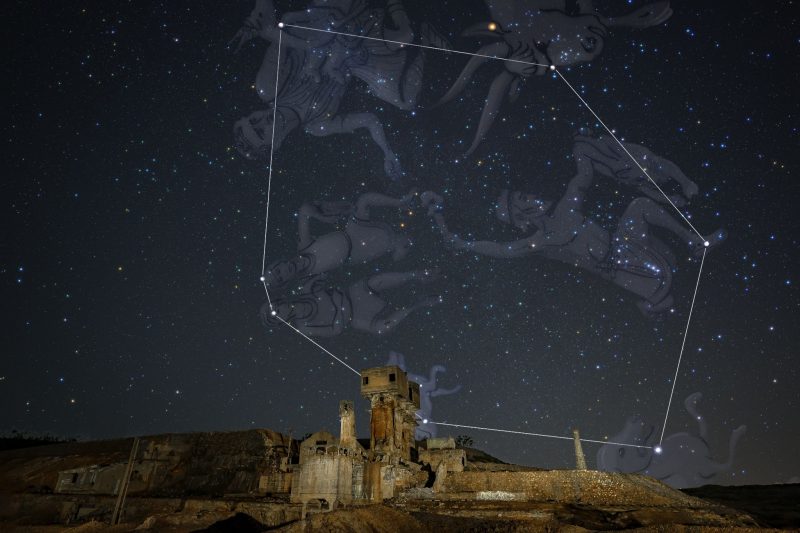
Constellations and asterisms are patterns of stars. Some asterisms consist of stars from different constellations, and some are part of 1 constellation.
The bright blue-white star Castor, in the constellation Gemini, appears to our eyes as a single star. But it’s really a family of 6 stars.
Pollux, the brightest star in the constellation Gemini, blazes in a golden light next to its bluish-white heavenly twin, Castor.
The best targets for binoculars in the night sky are the moon, planets, star clusters and nebulae. You can even catch the smudge of distant galaxies in them.
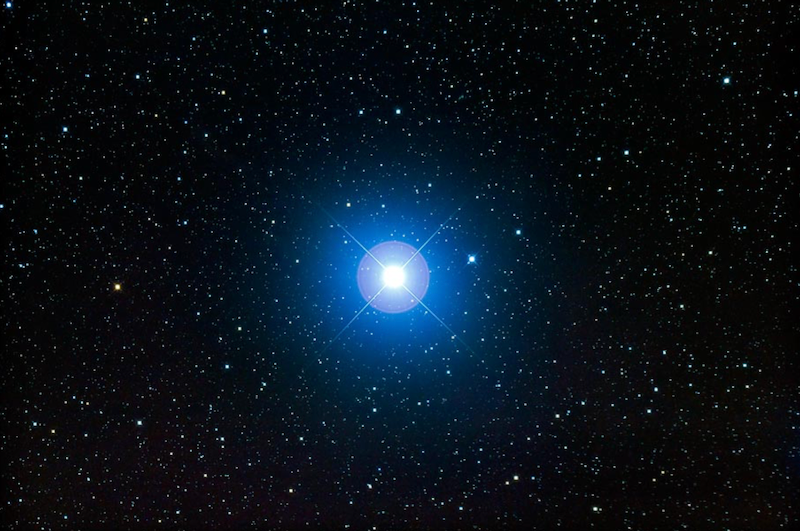
Blue-white Rigel shines as the brightest star in the constellation Orion the Hunter. It's a hot massive star, that someday will explode as a supernova.
Look for the V-shape Hyades star cluster in Taurus the Bull in the evening sky. It represents the Face of the Bull and it's beautiful in binoculars.
Watch the celestial clock and its 2 great big hour hands - Cassiopeia and the Big Dipper - as they swing around the North Star each and every night!
EarthSky Newsletter
Nearly half a million daily subscribers love our newsletter. What are you waiting for? Sign up today!
Join now to receive free daily science news delivered straight to your email.