A daily update by email. Science news, great photos, sky alerts.
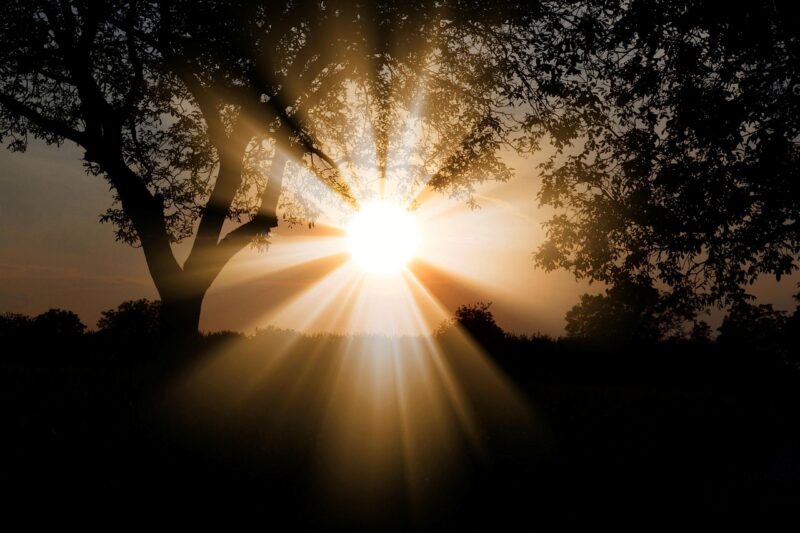
A sun pillar, or light pillar, is a shaft of light from the sun or other bright light source, caused by ice crystals under the right atmospheric conditions.
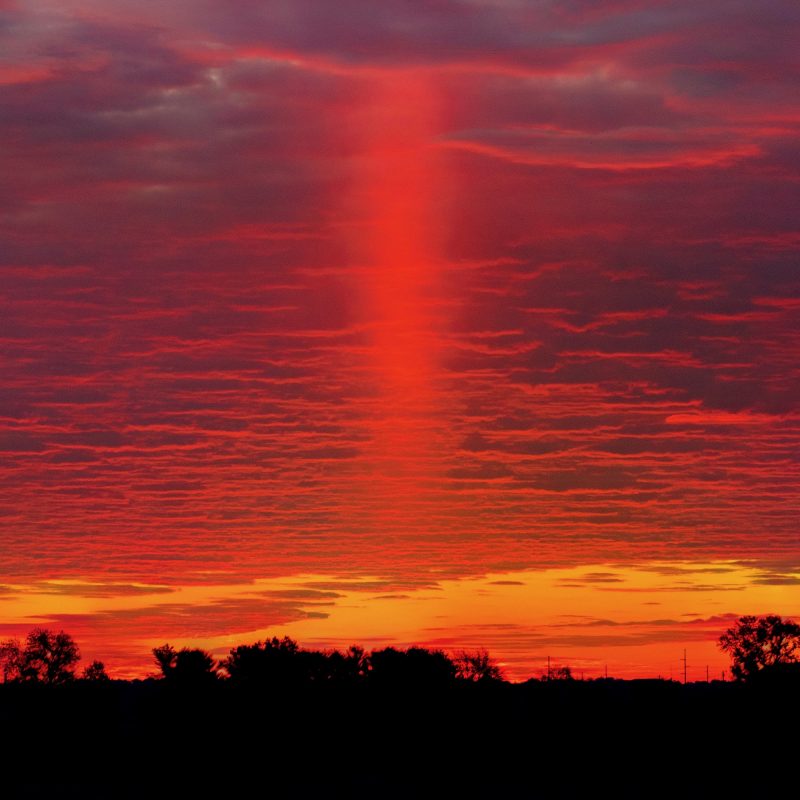
Charlie Winstead in southwest Indiana said, "Looked like there would be an interesting sky at sunrise, so headed out to shoot ... While en route, I noticed the sun pillar."
Sun pillars happen when sunlight reflects from plate-like ice crystals, drifting through Earth's atmosphere with a horizontal orientation, gently rocking from side to side as they fall.
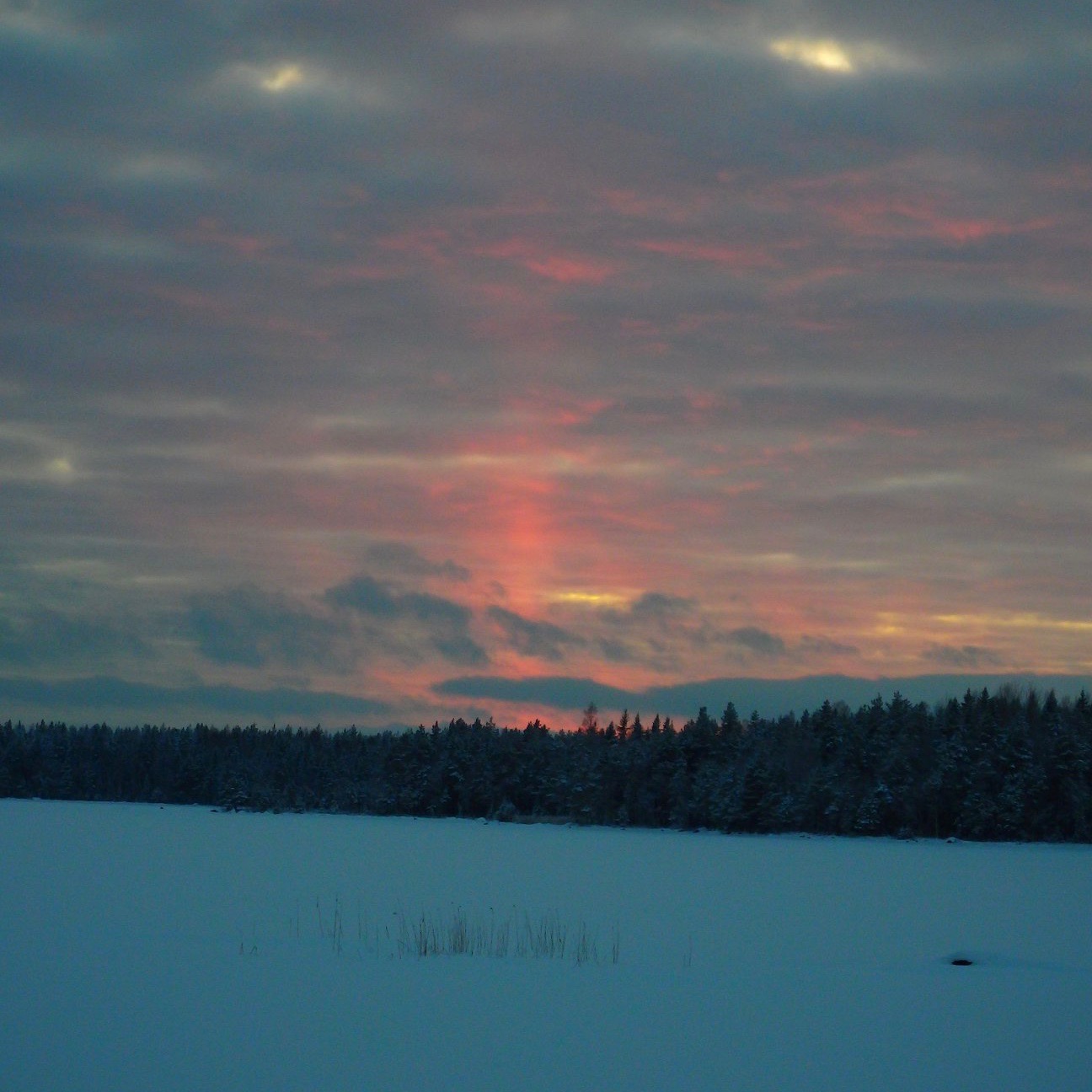
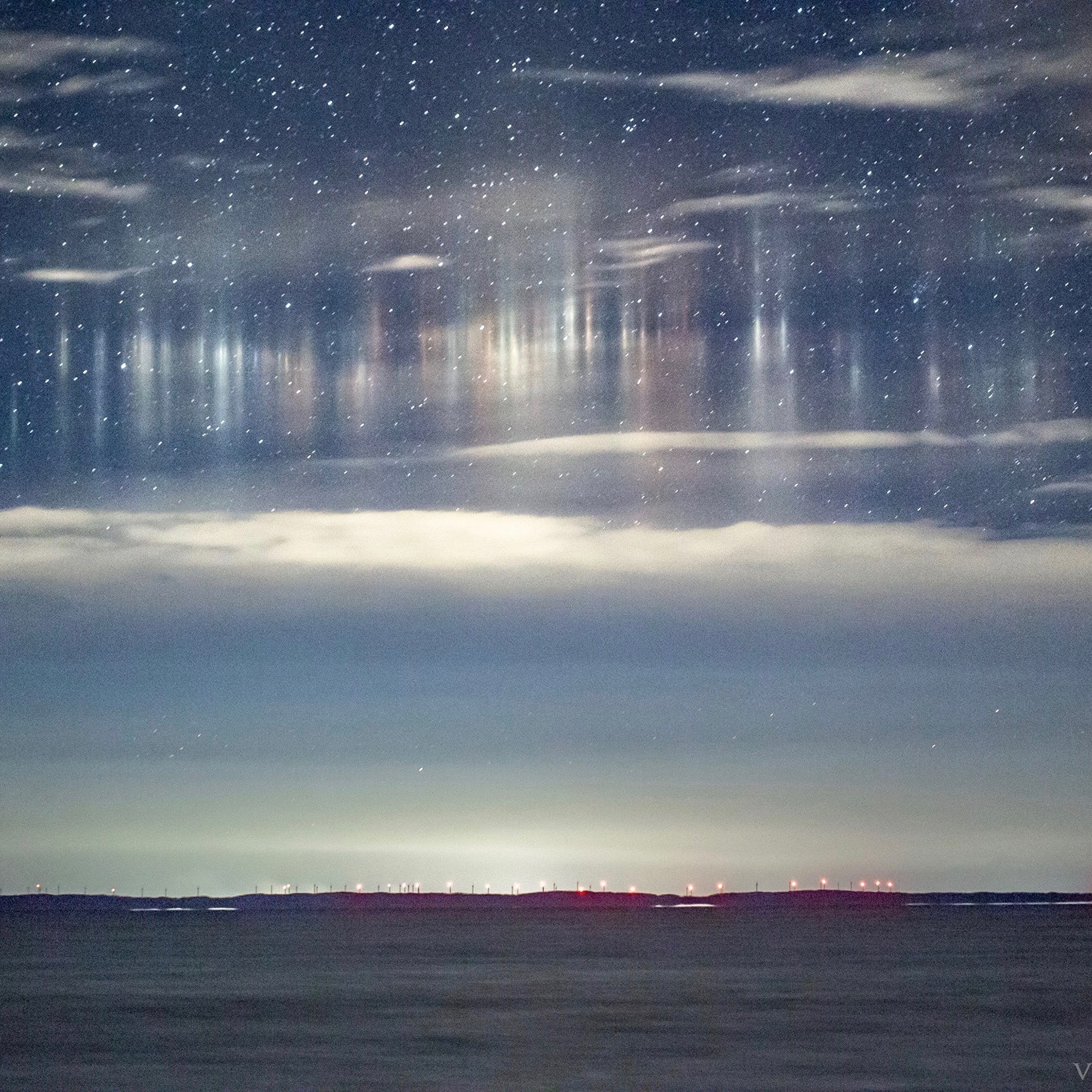
Nature photographer Jörgen Andersson posted this photo to EarthSky Facebook on January 22, 2018.
You might see a sun pillar - or light pillar - extending upward (or downward) from a bright light source. They're caused by ice crystals drifting in Earth's air.
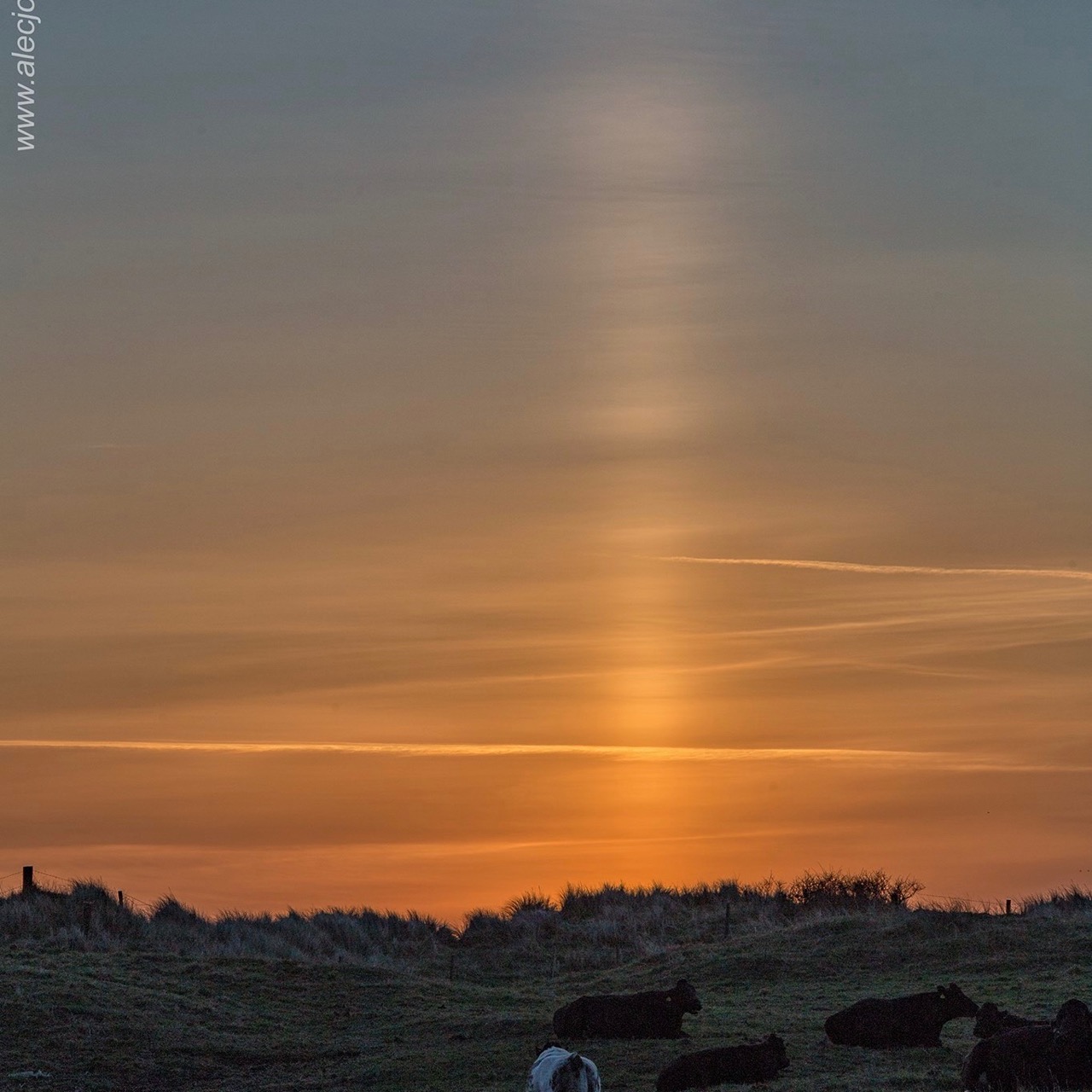
A sun pillar, visible earlier this month before and up until dawn, from the Northumberland coast in northeast England.
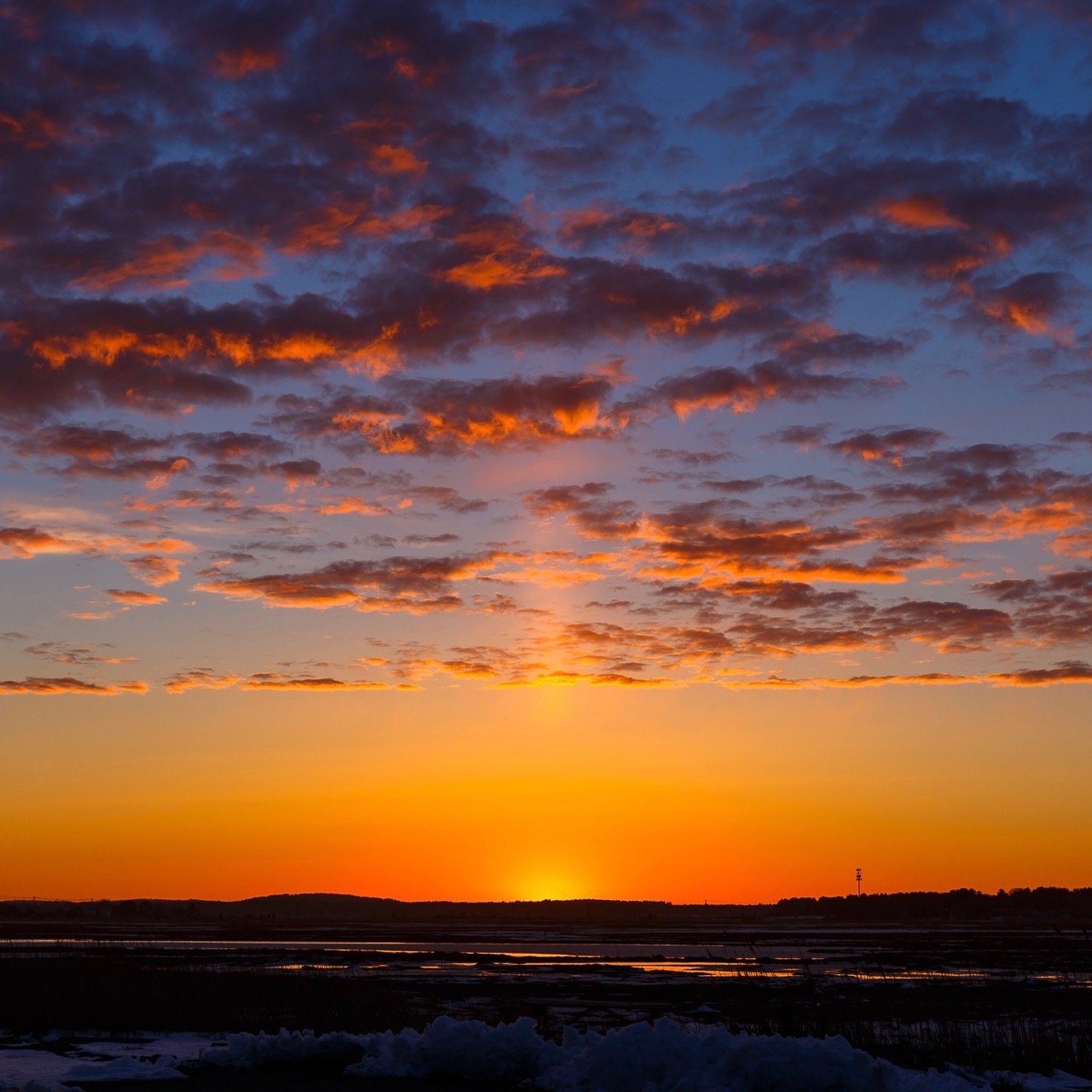
Photographer Josh Blash caught this sun pillar last night in Hampton, New Hampshire. It's caused by ice crystals drifting in the air.
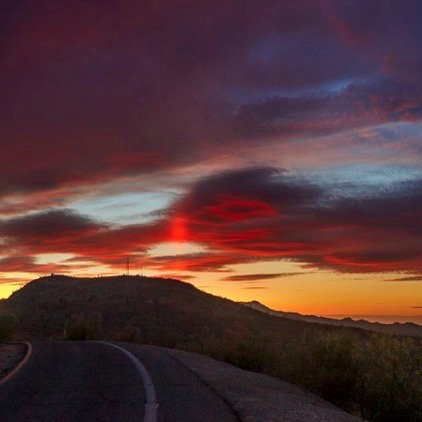
Jesse Jackson saw this sun pillar near Tucson, Arizona. "Talk about a ray of sunshine," he said.
Ice crystals in the air create these beautiful, upward shafts of light.


Sun activity archive for November 2025. A daily record of flaring, big filaments and prominences, and other sorts of activity, on our local star.
The startup company Reflect Orbital has proposed putting hundreds of thousands of satellites with mirrors in space to illuminate areas of Earth at night.

Sun activity archive for September 2025. A daily record of flaring, big filaments and prominences, and other sorts of activity, on our local star.
Sun activity archive for March 2025. A daily record of flaring, big filaments and prominences, and other sorts of activity, on our local star.
Sun activity archive for January 2025. A daily record of flaring, big filaments and prominences, and other sorts of activity, on our local star.
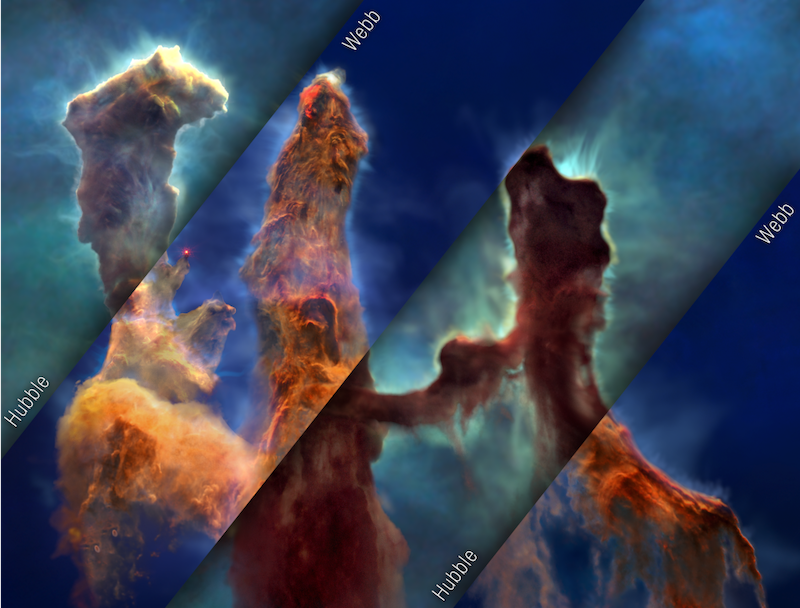
NASA has released a new 3D visualization of the Pillars of Creation using data from NASA's Hubble and James Webb space telescopes.
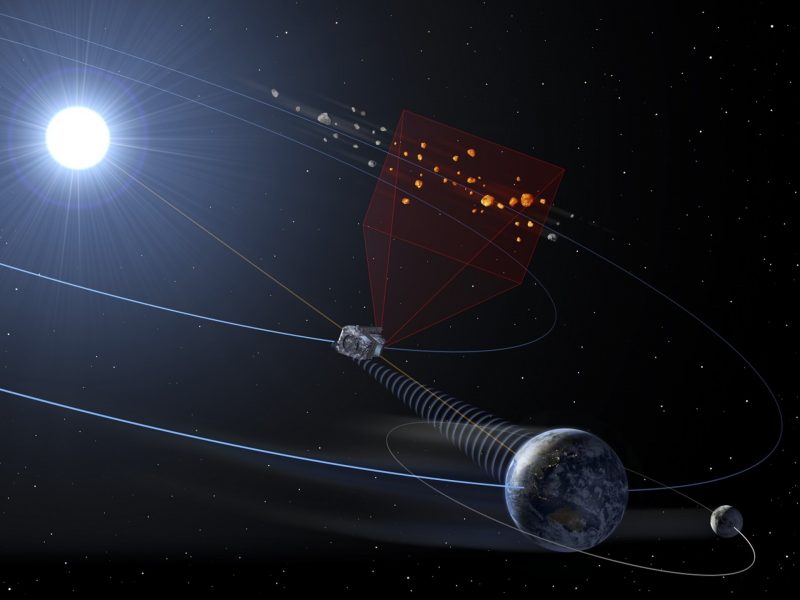
NEOMIR - an early asteroid warning system - will target asteroids near the sun. It will look for and monitor asteroids 65 feet (20 m) and larger.
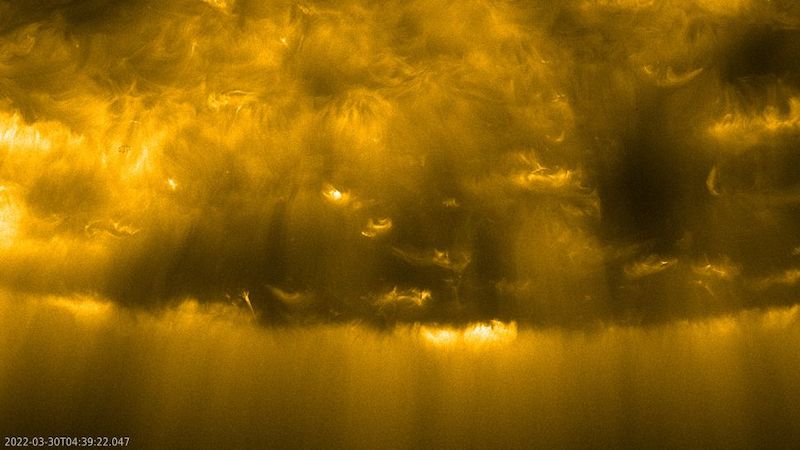
ESA's Solar Orbiter reached perihelion, its closest point to the sun, in March. Here are stunning closeup images as never seen before.
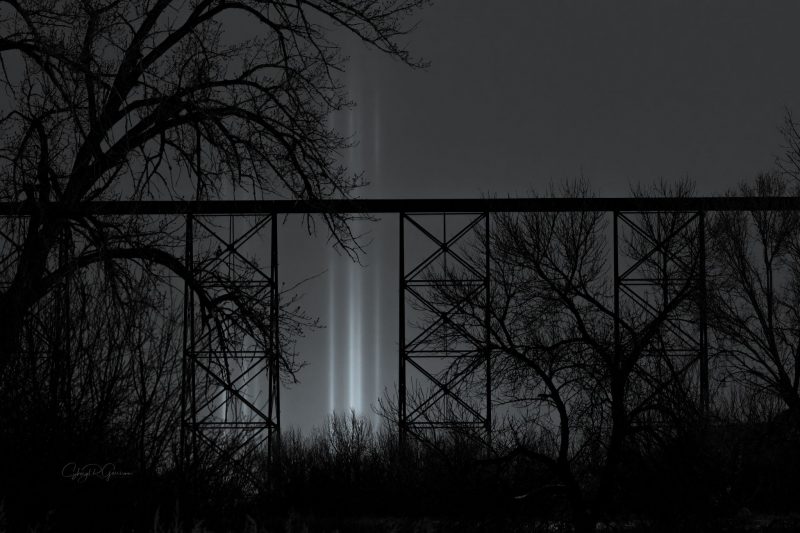
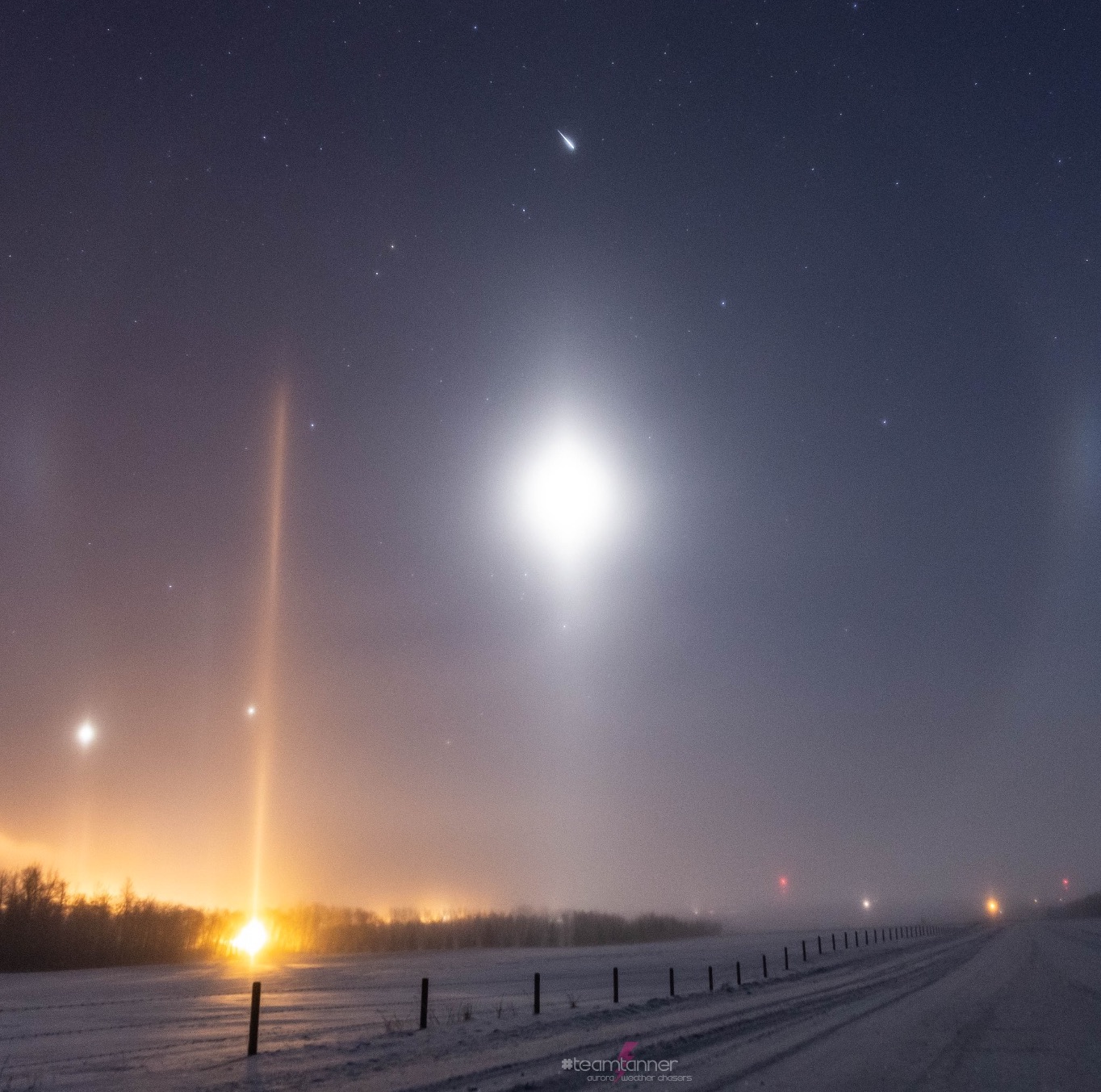
For many of us in the Northern Hemisphere, it's cold! Here's a predawn sky - from Alberta, Canada, earlier this week - at least partly created by cold.
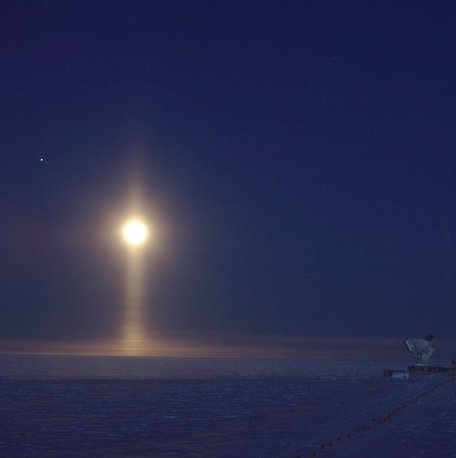
We see a fair number of photos of light pillars - shafts of light extending from the sun or other bright light source - taken from northerly latitudes. This one is caused by the moon, and it's over Earth's South Pole.
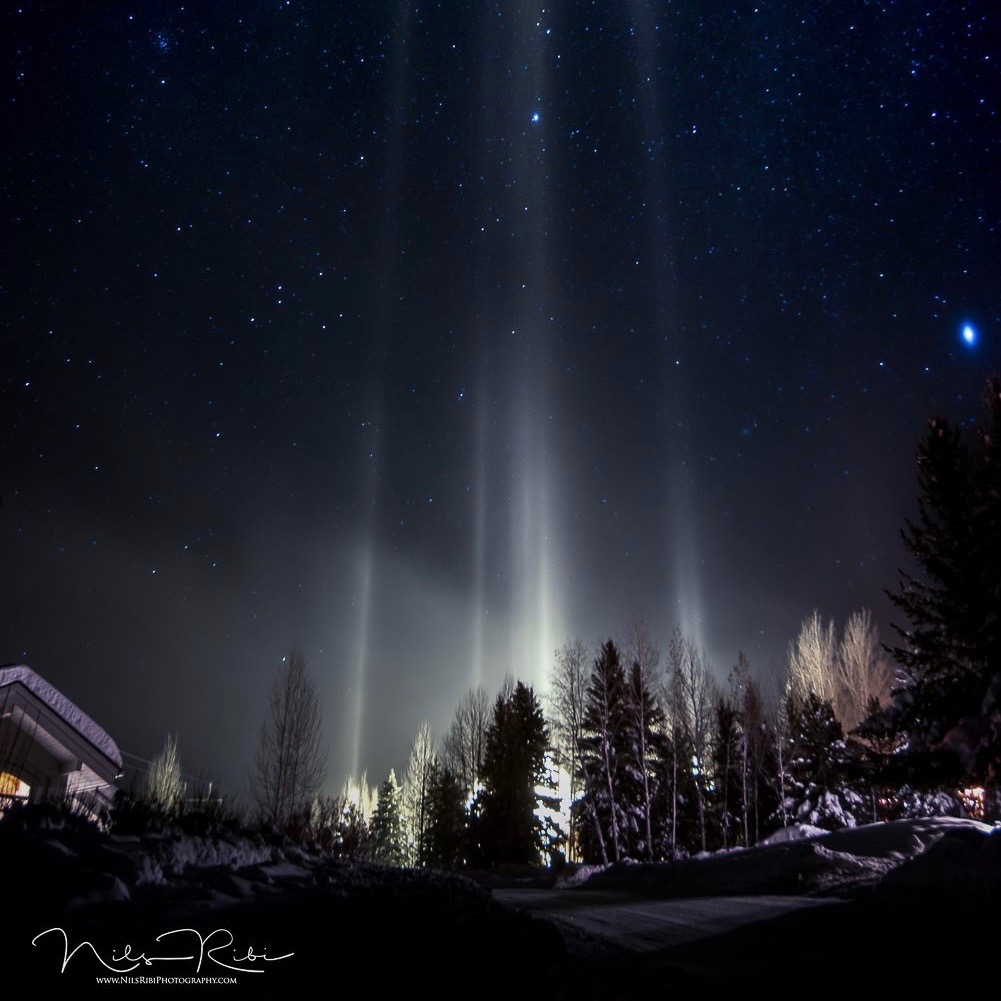
When there are ice crystals in the air around you, you might see light pillars. They're the result of light reflecting from the crystals suspended in the air or clouds.