Cities can change the weather
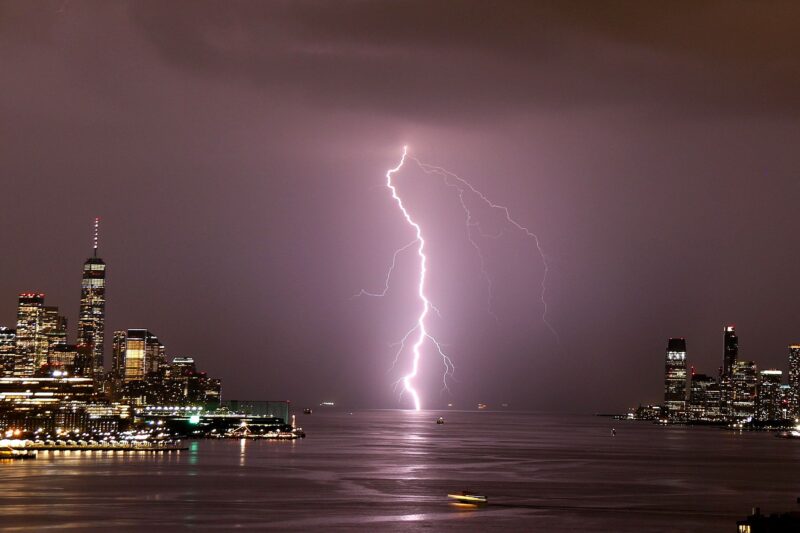
It’s a hot, steamy day, and you see a pop-up thunderstorm darken the sky to your west as a low grumble of thunder shudders the ground. Whether you’re watching from the countryside or a cement-and-steel city can determine what will happen next. Researchers from Texas A&M University said on May 20, 2026, that certain types of storms can intensify over cities. They looked at more than 40,000 storms over 22 years in Texas to discover that certain storms, such as isolated thunderstorm cells, can grow stronger and drop more rain over urban areas.
The researchers pored over data of storms that hit Houston, Dallas-Fort Worth, Austin and San Antonio between 1995 and 2017. While other studies have looked at regional rainfall, this team of researchers zeroed in on the rainfall resulting from different types of storms that hit cities. Co-author John Nielsen-Gammon of Texas A&M University said:
Different storms are driven by different physical processes. Once you separate storms by type, the patterns became much clearer.
The researchers published their study in the peer-reviewed journal Nature on May 20, 2026.
Storms that boost rainfall
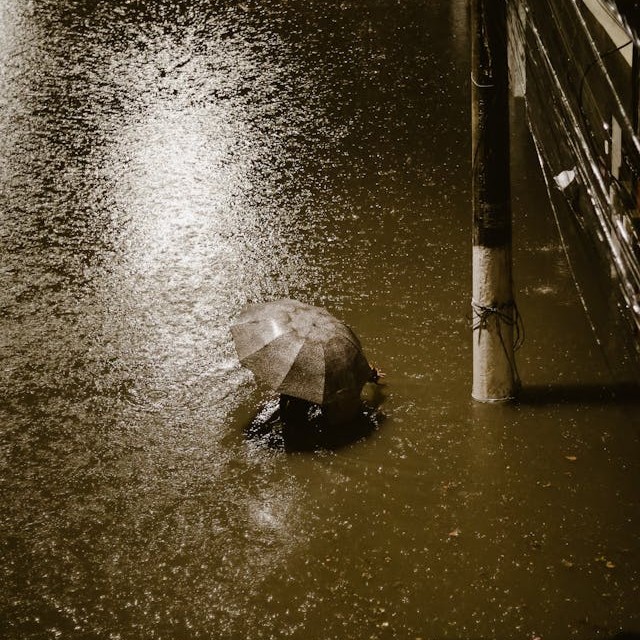
Urban flooding is a significant problem in cities. Cities largely consist of buildings and concrete without many places for rainwater to naturally soak into the ground. And storms that hit quickly with heavy rainfall can overwhelm a city’s stormwater system. As a result, streets can flood, endangering drivers and pedestrians. Plus, homes and businesses can incur expensive flood damage. So discovering which storms increase rainfall was particularly important to the researchers.
Two of the categories of storms the researchers looked at – single-cell thunderstorms and larger isolated storms – showed intensification and heavier rainfall when encountering a city. Looking at the radar data, the researchers found single-cell thunderstorms in particular grew taller and more intense over cities. The urban heat island effect – where cities trap heat and are warmer than the surrounding landscape – can cause updrafts that feed storms. In the four Texas cities studied, these small storms occurred 7 to 31% more often than over nearby rural land.
This was especially true at night, when rural areas cooled but the cities retained their heat. Nielsen-Gammon said:
Urban areas hold heat after sunset. That retained warmth can continue to fuel storms overnight, when similar storms over rural areas are more likely to weaken.
Storms that weaken over cities
But not all storms intensify when they reach a city. For example, storms along a cold front can weaken as they drift over urban heat islands. These types of storms form because of the temperature difference between the advancing cold air and the warm air already present. The study found that storms associated with cold fronts declined about 16 to 28% in their rainfall intensity compared with nearby rural areas. Although, as the storm first hits the city, it can sometimes briefly intensify as the temperature difference becomes sharper. But then it would diminish as the warmth of the city and buildings disrupt the air flow.
Nielsen-Gammon explained:
Cold front rainfall is driven by sharp temperature and wind differences. As they move into the warmer and more turbulent urban environment, those contrasts can weaken, reducing rainfall intensity.

Other storms and the urban environment
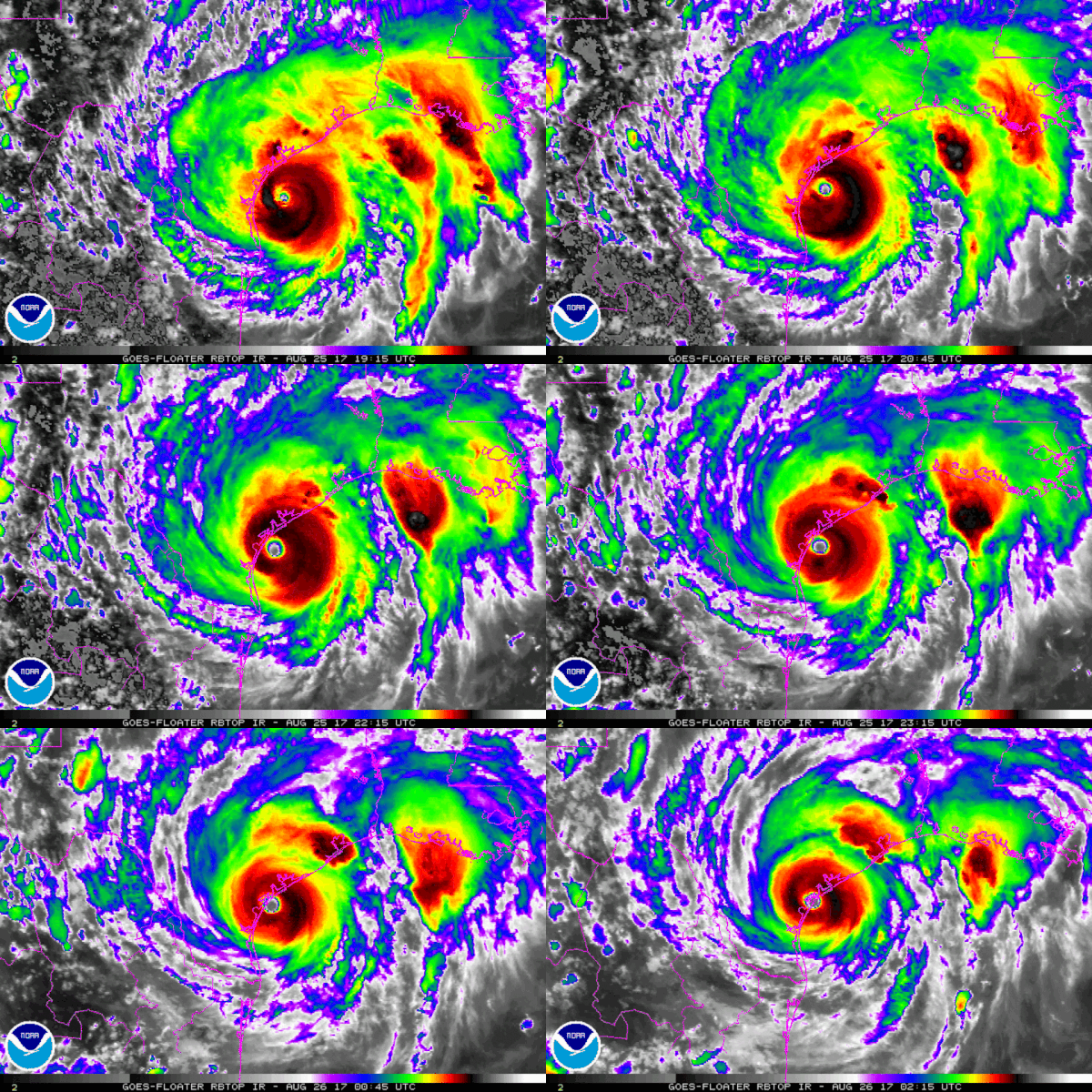
Cities had less of an effect on the other two categories of storms the researchers studied: warm front storms and tropical storms. The main difference the researchers found was that for tropical storms, such as hurricanes, the heavy rain formed lower in the atmosphere over cities. So that could have an impact on flooding. But Nielsen-Gammon said:
These larger systems are driven mainly by ocean heat and larger-scale wind patterns. Urban effects don’t disappear, but they’re secondary compared to those factors.
Knowing how cities can change the weather can help us prepare
The researchers said that urban planners need to factor in storms of short duration and high intensity. Previous plans for drainage systems and flood controls relied on averaged rainfall statistics. Nielsen-Gammon said:
If you design only for region-wide averages, you can underestimate the kinds of rainfall that actually cause the most damage. Understanding which storms cities amplify helps planners target the real risks. Asking whether cities get more or less rain is the wrong question. The right question is which storms are affected, because that’s what determines the risk people actually face on the ground.
Bottom line: Researchers have looked at 22 years of data to discover how cities can change the weather. Certain types of storms intensify over cities, leading to more urban flooding.
Source: Divergent urban storm response to convective, frontal and tropical systems
Read more: Cumulonimbus clouds bring thunderstorms: How to spot them
Like what you read?
Subscribe and receive daily news delivered to your inbox.
More from
Kelly Kizer Whitt


Visible planets and night sky guide for October

Arizona’s Chiricahua poised to become 64th US National Park
Another satellite breakup raises concerns about space junk
Smile mission releases its stunning 1st aurora footage!