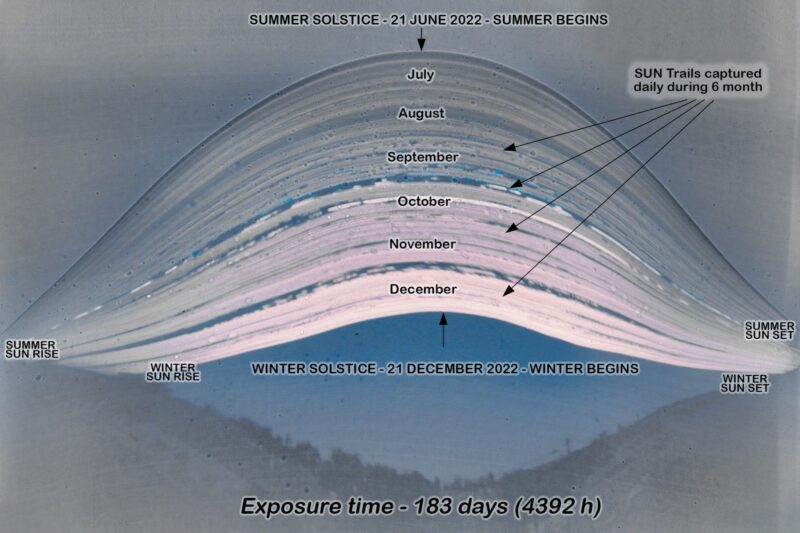
The December solstice marks the sun’s southernmost point in the sky, for all of Earth, for this year. The 2026 December solstice happens at 20:30 UTC (2:30 p.m. CST) on December 21. It’s when the sun reaches its southernmost point in our sky. We have the southernmost sunrise and sunset, and – for us in the Northern Hemisphere – the shortest day and longest night. Though no world body has decreed it, we in the Northern Hemisphere will celebrate the first day of winter at this solstice.
Meanwhile, people in the Southern Hemisphere will celebrate the first day of summer at this solstice. For our friends south of the equator, the December solstice marks the shortest night and longest day of the year.
After this solstice, the sun’s path will begin shifting northward in the sky again. It’ll be fun to track movement of the sunsets on your horizon with pieces of tape on a window, or just by noticing the shifting sunset point from your favorite spot to observe. If you do that, you’ll find the sunset shifting farther and farther north.
At the December solstice, Earth is positioned so the sun stays below the North Pole’s horizon. Meanwhile, the sun is up 24 hours a day at the South Pole.
All locations south of the equator have day lengths greater than 12 hours.
All locations north of the equator have day lengths shorter than 12 hours.

The solstice and Earth’s tilt
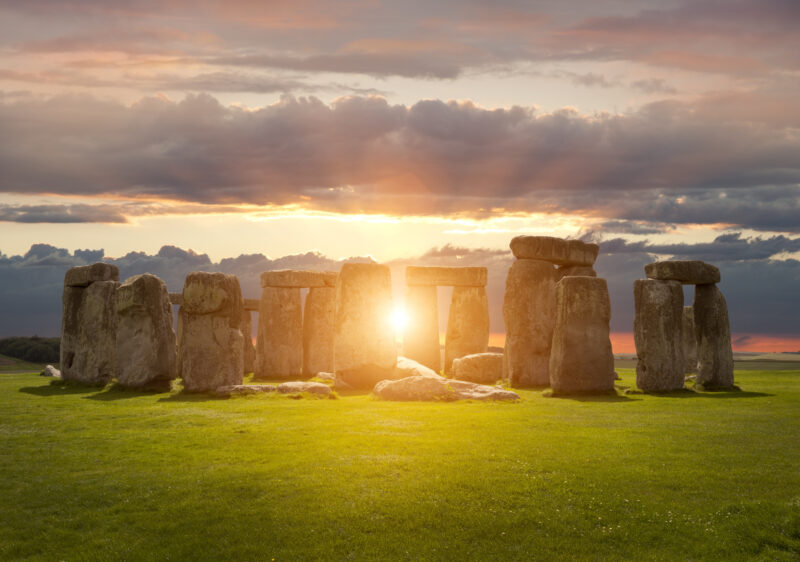
The earliest people on Earth knew that the sun’s path across the sky, the length of daylight, and the locations of the sunrise and sunset all shifted in a regular way throughout the year. They built monuments such as Stonehenge in England and Intihuatana at Machu Picchu in Peru to follow the sun’s yearly progress.
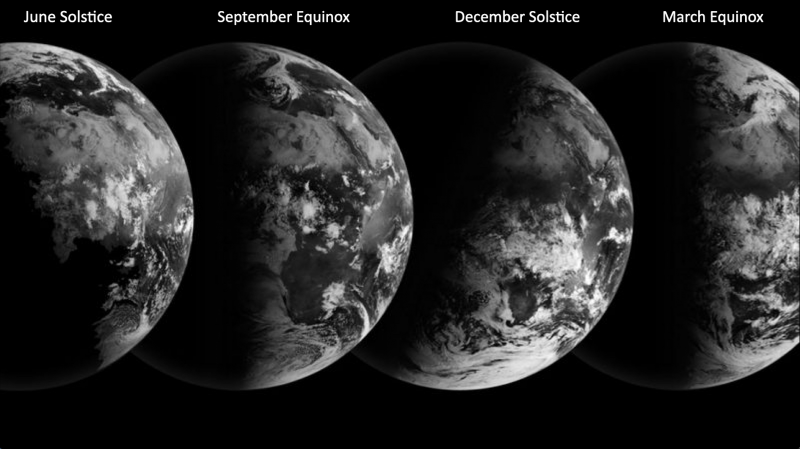
Today, we picture the solstice from the vantage point of space, and we know that the solstice is an astronomical event. It’s caused by the tilt of Earth’s axis and by its orbital motion around the sun.
Earth doesn’t orbit upright. Instead, it’s tilted on its axis by 23.5 degrees. Through the year, this tilt causes Earth’s Northern and Southern Hemispheres to trade places in receiving the sun’s light and warmth most directly. It’s this tilt, not our distance from the sun, that causes winter and summer.
In fact, we’re closest to – not farthest from – the sun at the turn of every new year. In 2026, Earth’s perihelion – or closest point to the sun – will come at 17 UTC on January 3. At the same time, we in the Northern Hemisphere are moving into winter. That’s because the Northern Hemisphere leans farthest away from the sun for the year around this time.

Where should I look to see signs of the December solstice in nature?
Everywhere.
For all of Earth’s creatures, nothing is so fundamental as the length of daylight. After all, the sun is the ultimate source of all light and warmth on Earth.
In the Northern Hemisphere, you’ll notice late dawns and early sunsets, the low arc of the sun across the sky each day, and how low the sun appears in the sky at local noon. Look at your noontime shadow, too. Around the time of the December solstice, it’s your longest noontime shadow of the year.
In the Southern Hemisphere, it’s opposite. Dawn comes early, dusk comes late, the sun is high, and it’s your shortest noontime shadow of the year.


Why isn’t the earliest sunset on the shortest day?
The December solstice marks the shortest day of the year in the Northern Hemisphere and longest day in the Southern Hemisphere. But the earliest sunset – or earliest sunrise if you’re south of the equator – happens before the December solstice.
Instead of focusing on the time of sunset or sunrise, the key is in what is called true solar noon, which is the time of day that the sun reaches its highest point in its journey across your sky.
In early December, true solar noon comes nearly 10 minutes earlier by the clock than it does at the solstice around December 21. With true noon coming later on the solstice, so will the sunrise and sunset times.
It’s this discrepancy between clock time and sun time that causes the Northern Hemisphere’s earliest sunset and the Southern Hemisphere’s earliest sunrise to precede the December solstice.
The precise date of the earliest sunset (or earliest sunrise) depends on your latitude. But the sequence is always the same: earliest sunset, shortest day at the solstice, latest sunrise around early January. Or, for the Southern Hemisphere now, earliest sunrise, longest day at the solstice, latest sunset around early July.
And so the cycle continues.
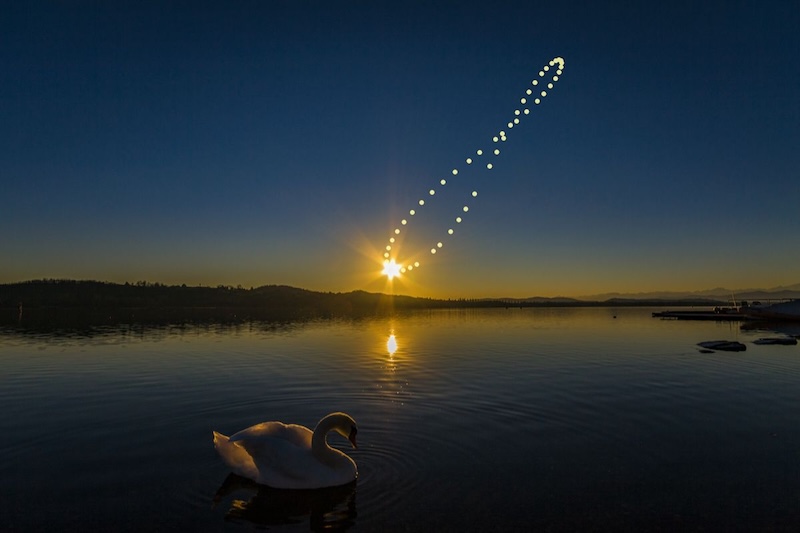
Bottom line: Happy solstice! Northern Hemisphere sees its shortest day, Southern Hemisphere its longest. A perfect time to celebrate the seasons.
Read more: Year’s shortest season to start at December solstice
Like what you read?
Subscribe and receive daily news delivered to your inbox.
More from
Deborah Byrd


Visible planets and night sky guide for September

Great Square of Pegasus gallops into the autumn sky
Yes, there’s an aurora season, and it’s here
2026 September equinox: All you need to know