Question 1: What’s the brightest planet in our sky?
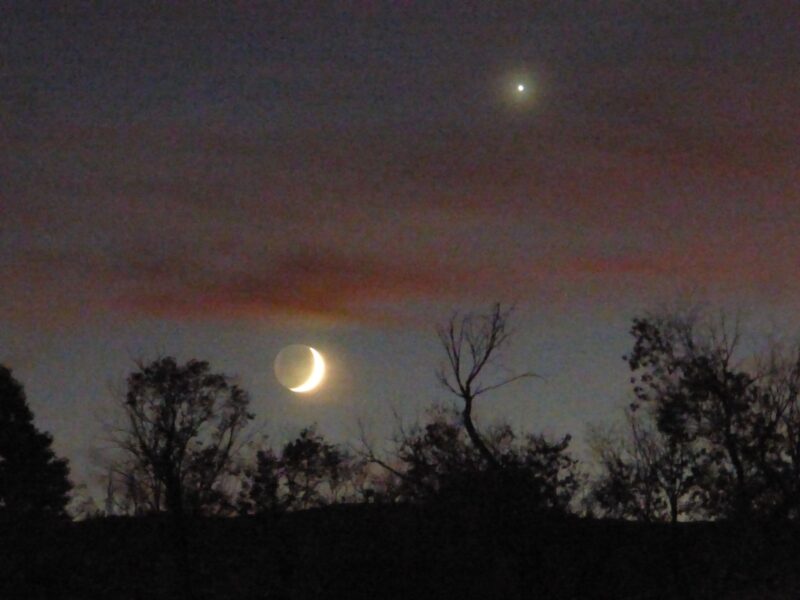
View at EarthSky Community Photos. | Amheric Hall in Reno, Nevada, captured the moon and a bright planet in 2024. Thanks, Amheric! This planet is brighter than all other planets in Earth’s sky. In fact, it’s so bright you can sometimes spot it in broad daylight. Which planet is it?
Question 2: Do you know the North Star’s proper name?
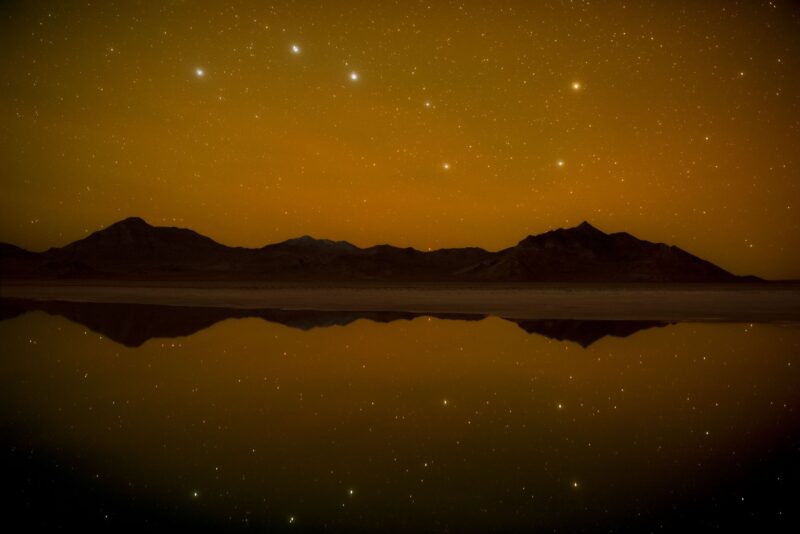
View at EarthSky Community Photos. | Jeff Grubbs in Elgin, Arizona, took a long-exposure photo of the northern sky. It shows all the stars circling around the North Star (or Pole Star). Thanks, Jeff! This star has a proper name, recognized by the International Astronomical Union. What is it?
Question 6: Is the early evening crescent moon waxing or waning?
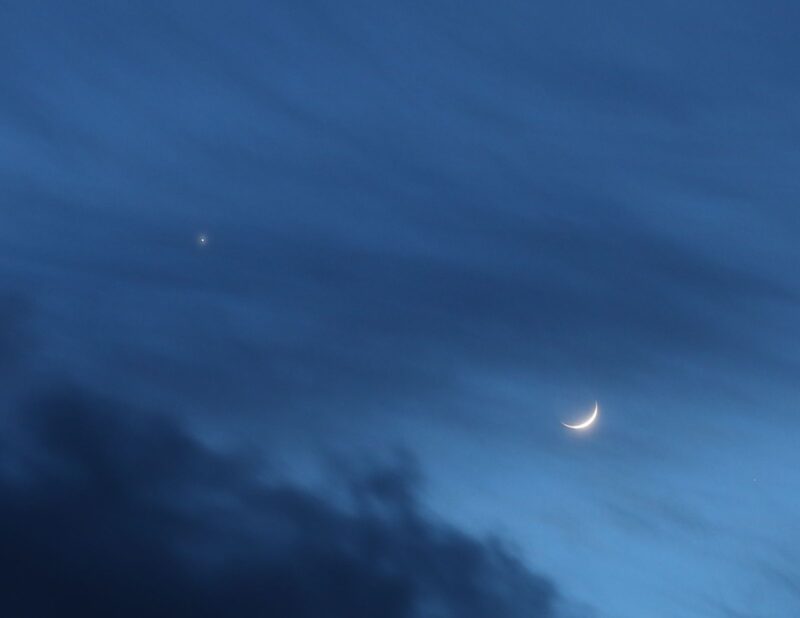
View at EarthSky Community Photos. | Roberto Ortu in Marina di Torregrande, Sardinia, Italy, captured the crescent moon and Venus on May 18, 2026. Thanks, Roberto! When you see a crescent moon after sunset in the early evening sky, is it waxing or waning?
Question 7: What is this mysterious cone of light?
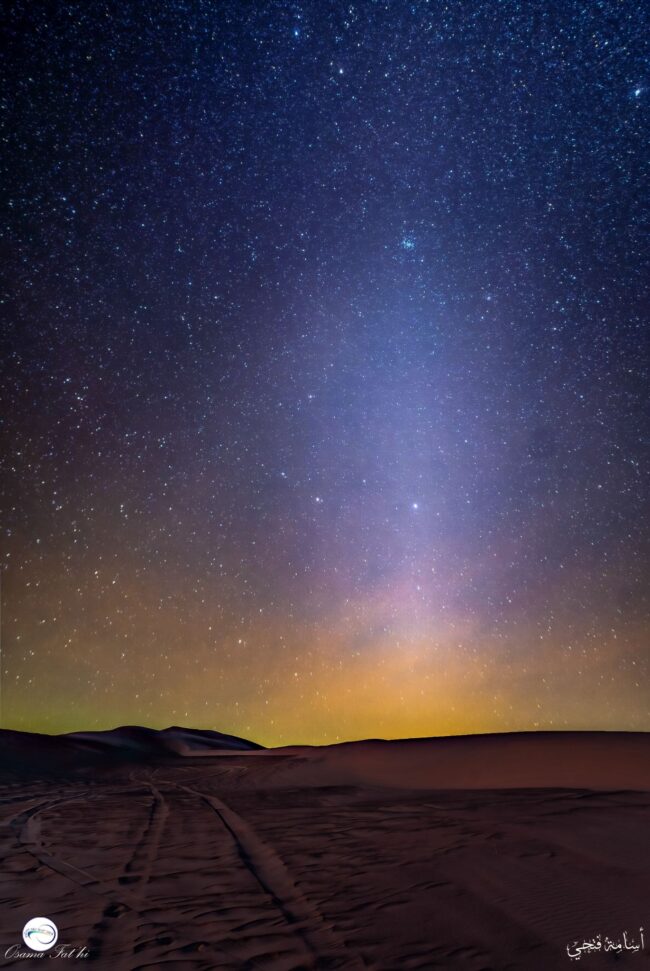
View at EarthSky Community Photos. | Osama Fathi in the Western Desert of Egypt captured this mysterious pyramid of light on an autumn morning, extending up from the eastern horizon before dawn. Thanks, Osama! What’s this light called? Hint: It’s sunlight reflecting off dust grains that move in the plane of the solar system. The dust might originate on Mars!
Question 8: Where do most meteors come from?
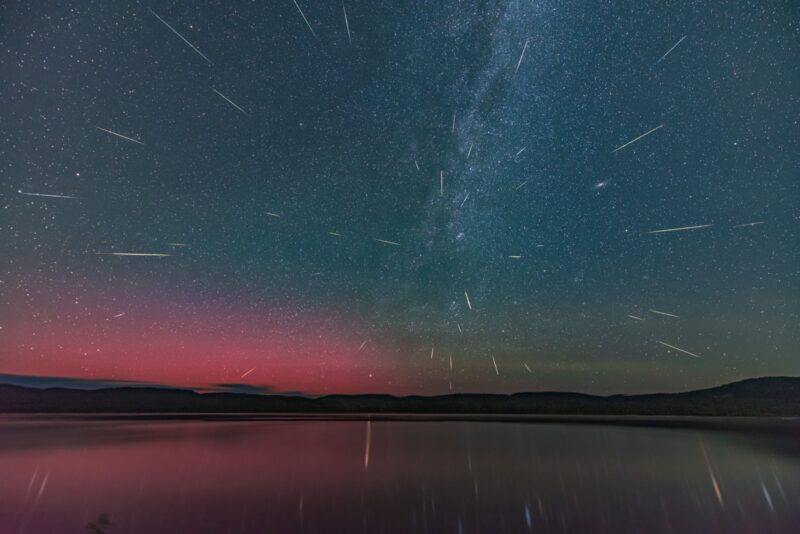
View at EarthSky Community Photos. | David Cox from Deep River, Ontario, Canada, shared this composite image of Perseid meteors and the aurora. Thanks, David! We see meteors when tiny bits of debris in space hit Earth’s atmosphere and burn up, emitting light. What is the source of most of the debris that create meteor showers?
Kelly Kizer Whitt writes and edits some of the most fascinating stories at EarthSky.org. She's been writing about science, with a focus on astronomy, for decades. She began her career at Astronomy Magazine and made regular contributions to other outlets, including AstronomyToday and the Sierra Club. She has nine published books, including a children's picture book, Solar System Forecast, and a young adult dystopian novel, A Different Sky.
Like what you read? Subscribe and receive daily news delivered to your inbox.
Thank you! Your submission has been received!
Oops! Something went wrong while submitting the form.