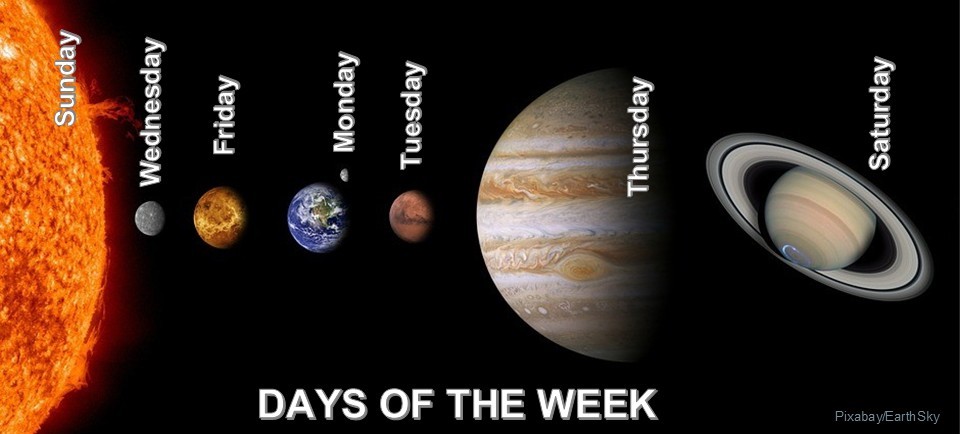
Names for days of the week come from the solar system
Did you know the days of the week are named after objects in our solar system? Sure, Sunday is easy for us to recognize as being named for the sun. And maybe you can even spot Monday as originating from the moon. But how did Mars become Tuesday?
Well, long ago people looked to the sky to keep track of time. The sun rose and set and rose again and people marked a day. The moon was full and then waned until it disappeared and then grew again to full, and people marked a month of time.
Eventually, according to Kristin Heineman of Colorado State University, the ancient Babylonians back in 2300 BCE began dividing those months into seven-day segments. Why seven? Because these astronomers monitored the bright lights that wandered among the stars: the sun, moon and five visible planets. Unlike the stars, these seven objects shift location each day or night.
So, the sun, moon and five visible planets became the representatives for each of the days of the week. And, over millennia, the concept of a seven-day week spread around the globe. As the idea spread to other cultures, the names of the week morphed from the gods the planets were named for to gods in other lore with similar attributes.

Sunday is the sun’s day
Sunday is the day of the week that’s easiest to see as having a direct relationship to a solar system object. The name Sunday honored the brightest object in our daytime sky, the sun. Our English word for the sun comes from the Old English version, Sunnandæg, which means “sun’s day.”
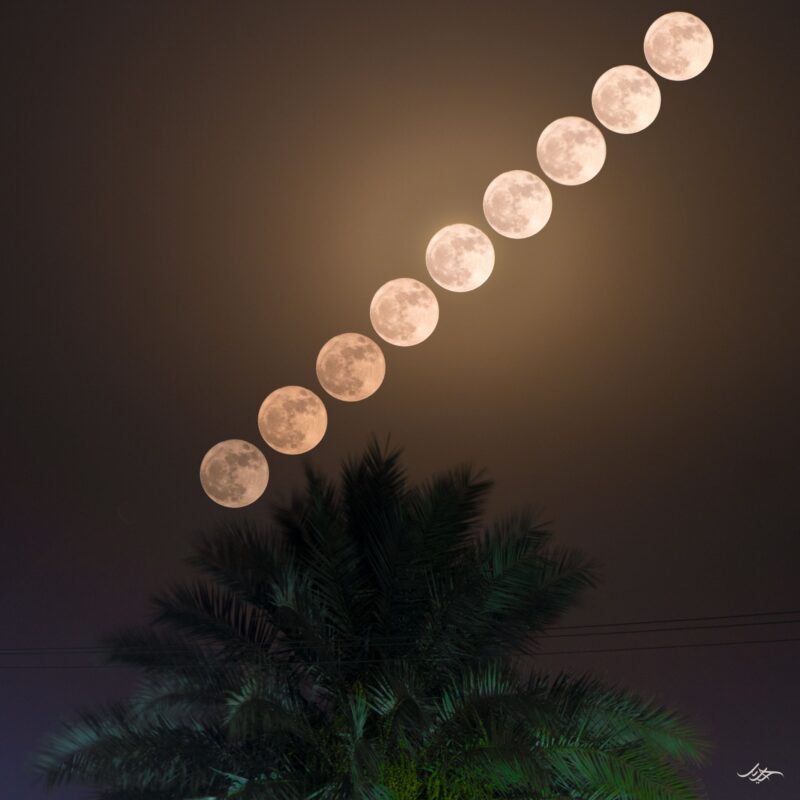
Monday is the moon’s day
Not surprisingly, then, the name Monday comes from “moon’s day.” The moon is the brightest object we can see in the nighttime sky. So not only were months (or should we say moonths?) originally arranged from one full moon to the next, the moon was also honored with a day of the week. The Old English Monandæg, moon’s day, was how we got our English word Monday.
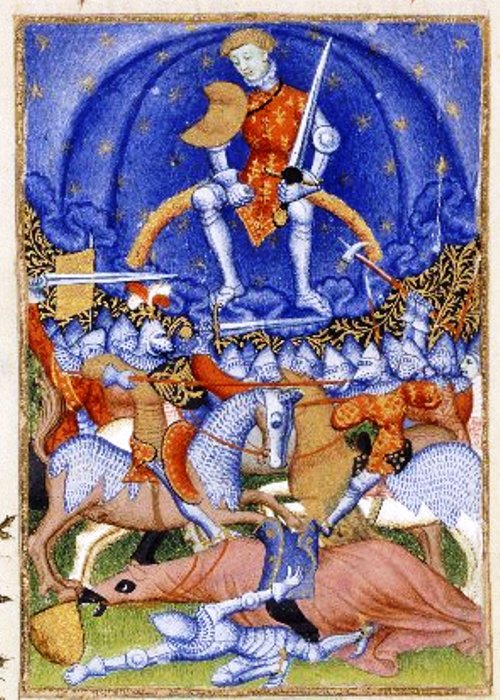
Tuesday is Mars’ day
Tuesday is where the days of the week and planets start to look less straightforward. That’s because people of Germanic languages substituted the Roman gods for their own Norse gods. So Mars, the Roman god of war, was switched for the Germanic peoples’ own god of war, Tyr, or Tiw. And then Tiw’s day evolved to become what we know of as Tuesday.

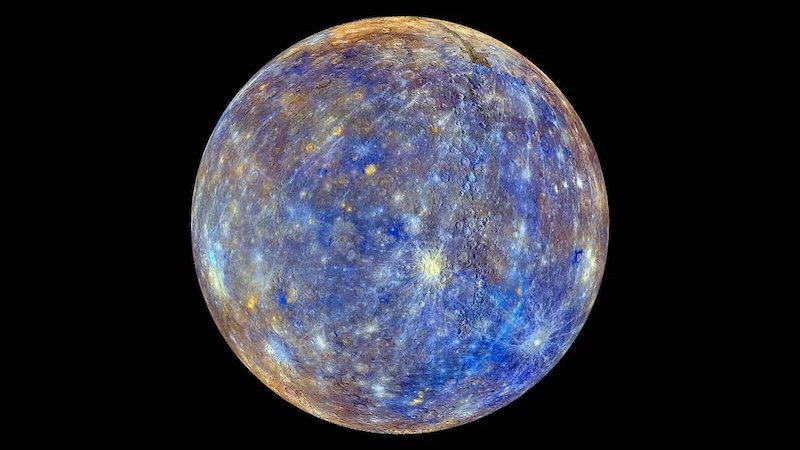
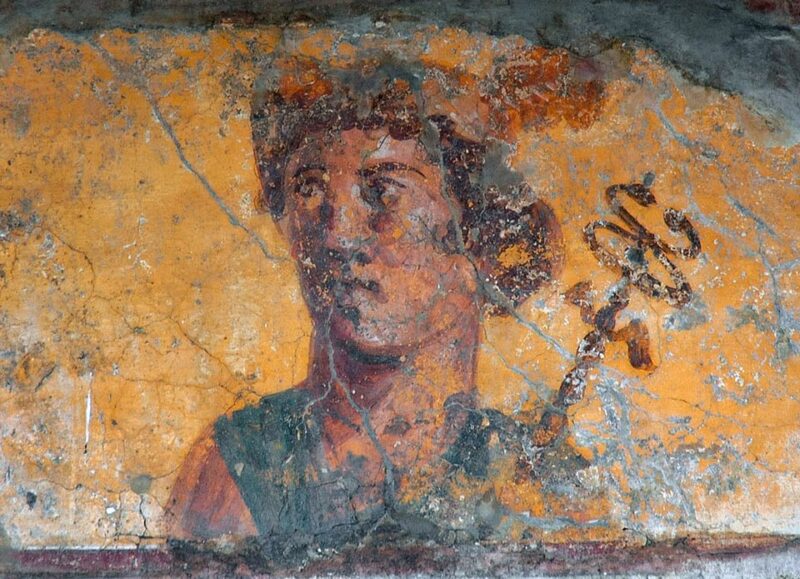
Wednesday is Mercury’s day
Wednesday was named for Mercury. For Romans, Wednesday was Dies Mercurii, the “day of Mercury.” Germanic people translated the day of Mercury to the day of Woden. Woden, or Odin, was the Norse god of travel and similar to Mercury, the fleet-footed messenger. Over time, “Woden’s day” evolved into Wednesday.
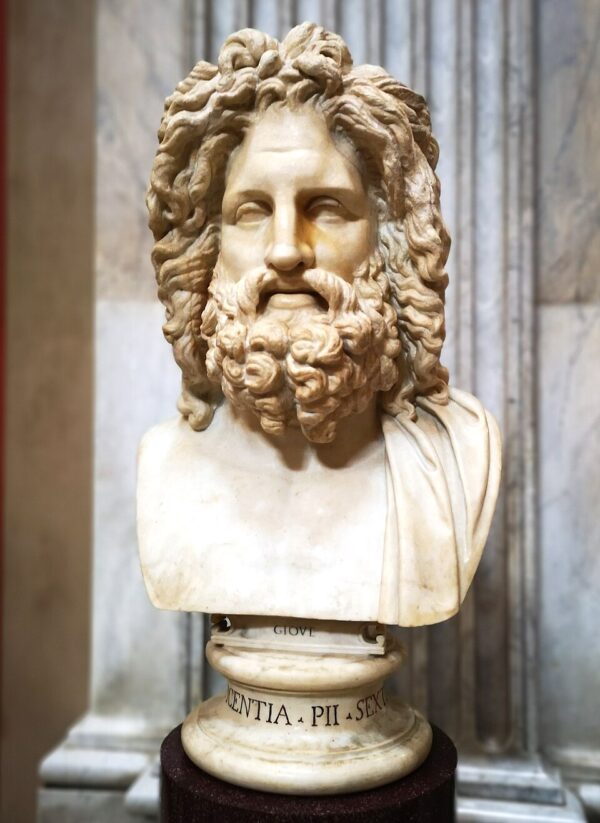
Thursday is Jupiter’s day
Thursday is probably much more readily recognizable as being Thor’s day. Thor is the powerful Norse god of thunder. And the equivalent Roman god was Jupiter, the king of the gods.

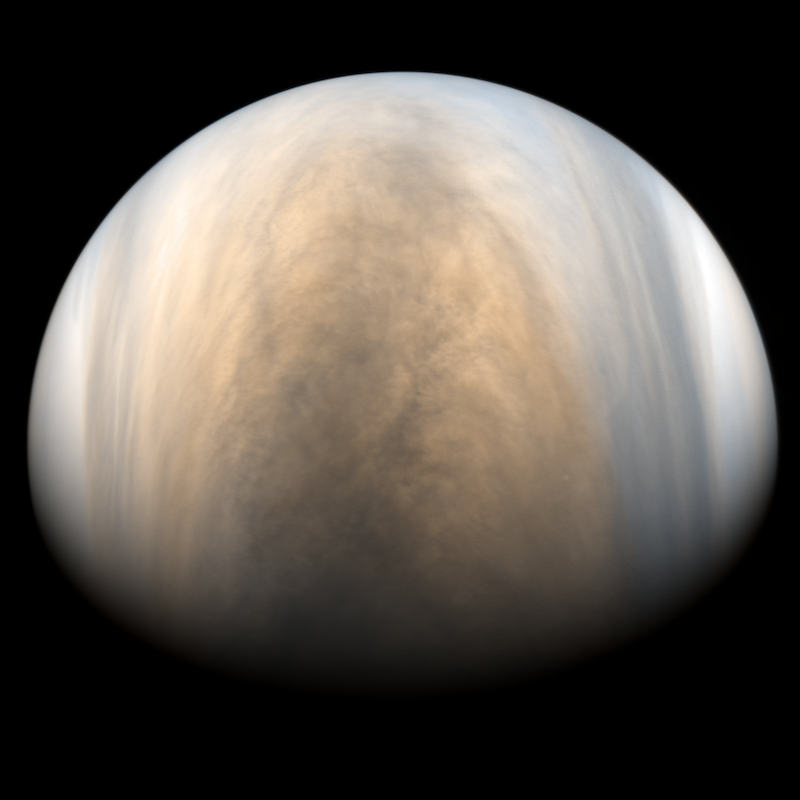
Friday is Venus’s day
Friday is in honor of Venus, the brightest planet, which the ancients named for the goddess of love and beauty. For Romans it was Dies Veneris, or “day of Venus”. Germanic peoples connected Venus with the goddess Frigg or Freya, leading to “Frigg’s day,” later shortened to Friday.
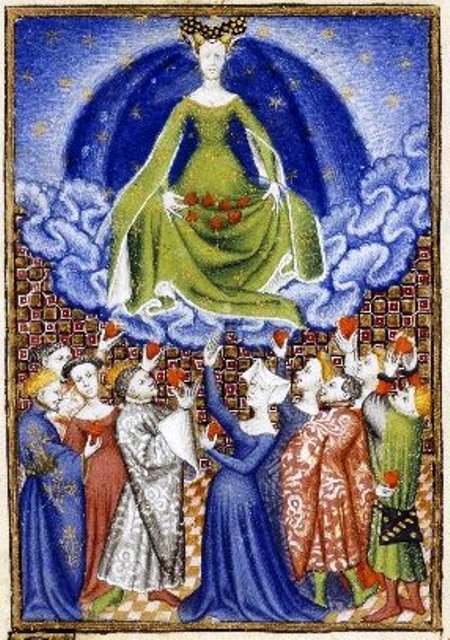
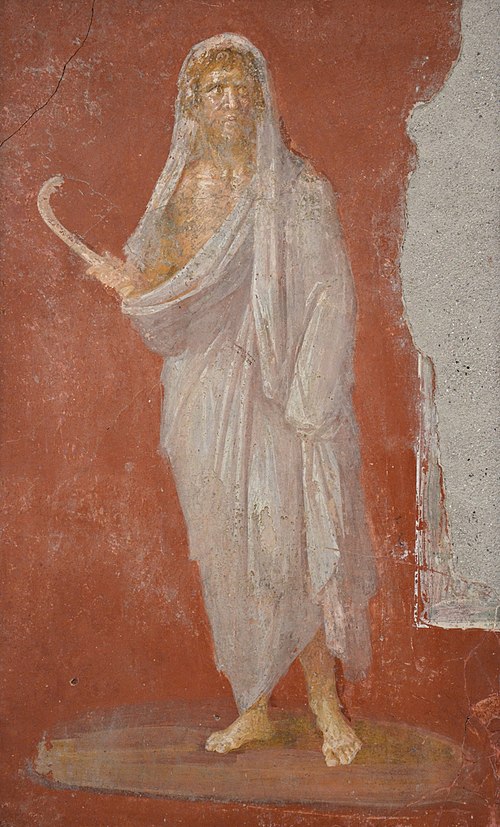
Saturday is Saturn’s day
Once we hit the end of the week, we’re back on familiar ground again. Saturday kept its Roman planetary connection almost unchanged. Dies Saturni was the “day of Saturn,” named for the planet Saturn and the Roman god of agriculture and time. Unlike the other weekday names, the English-language version did not swap in a Norse god.

Bottom line: The names for the days of the week come from the solar system bodies that the ancients could see in the sky.
Like what you read?
Subscribe and receive daily news delivered to your inbox.
More from
Kelly Kizer Whitt


The Artemis Accords are rules for a new moon era

The red planet shows strange swirls of purple and pink
Curiosity rover insights after 5000+ sols on Mars
Visible planets and night sky guide for September and October