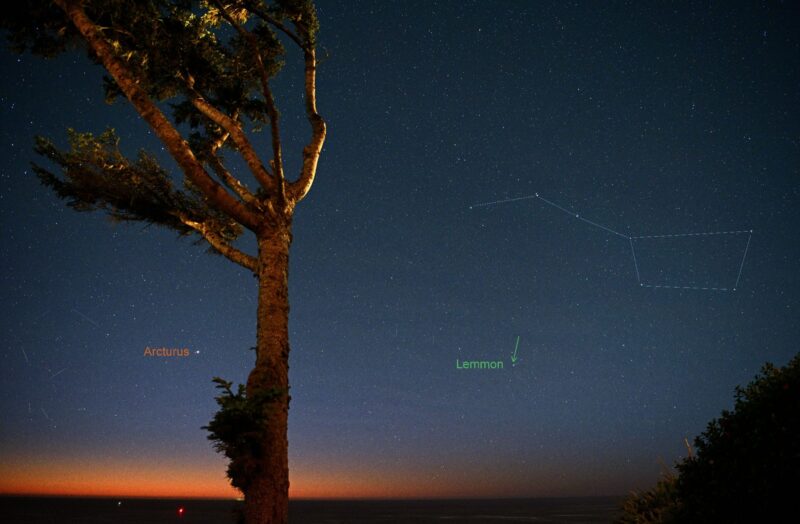
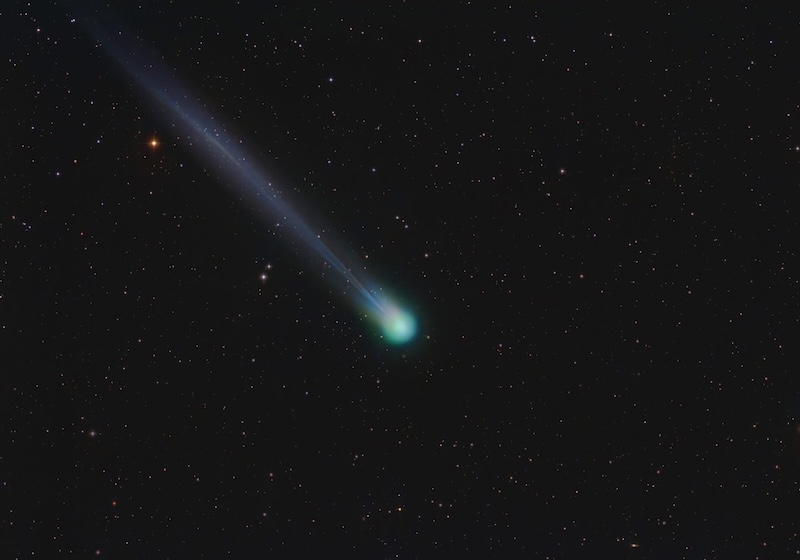
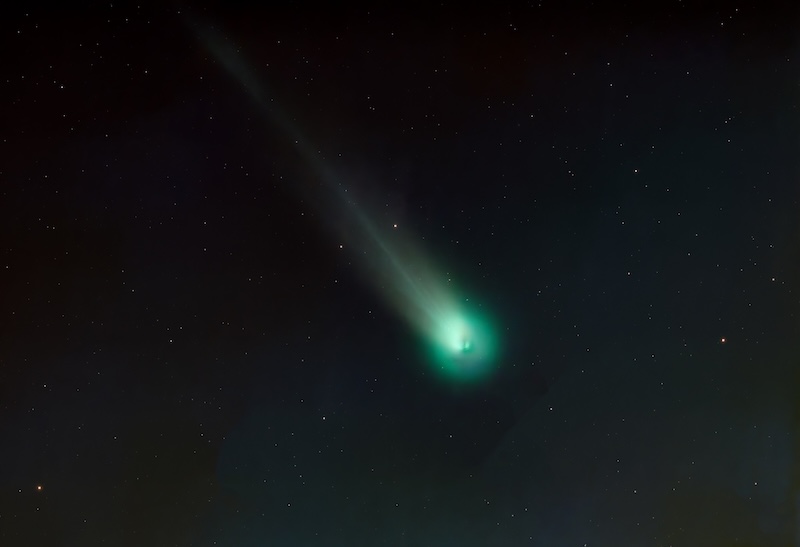
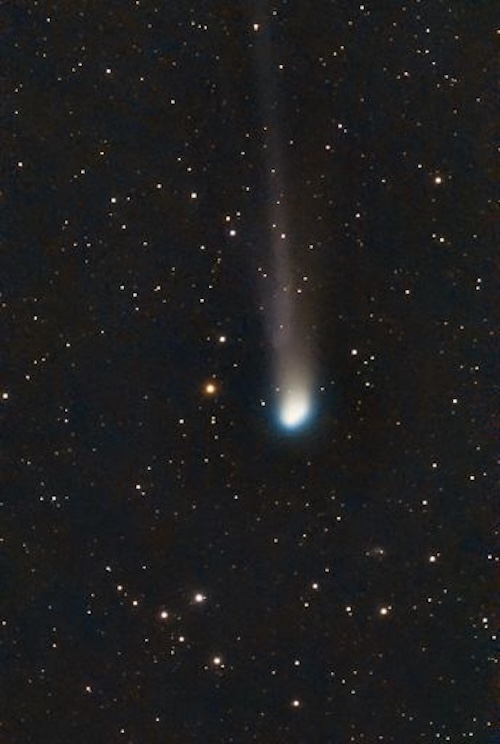
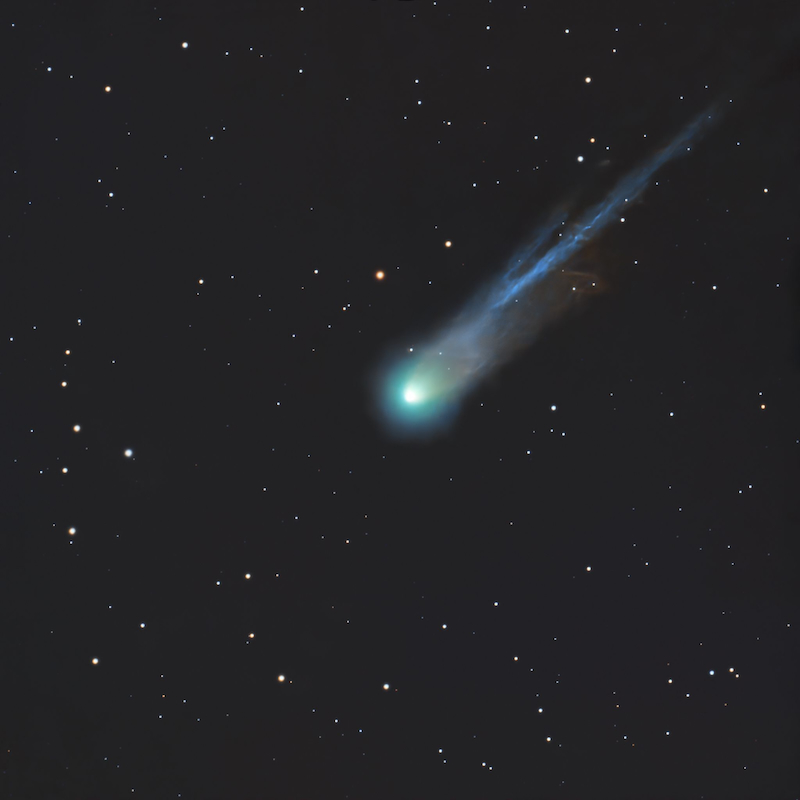
There are 3 comets in the sky now that you might be able to see in the coming weeks! Join us as we show you Comets Lemmon, SWAN and the interstellar wonder 3I/ATLAS. Whether you’re new to comet-watching or a seasoned skywatcher, we’ll help you appreciate these icy visitors.
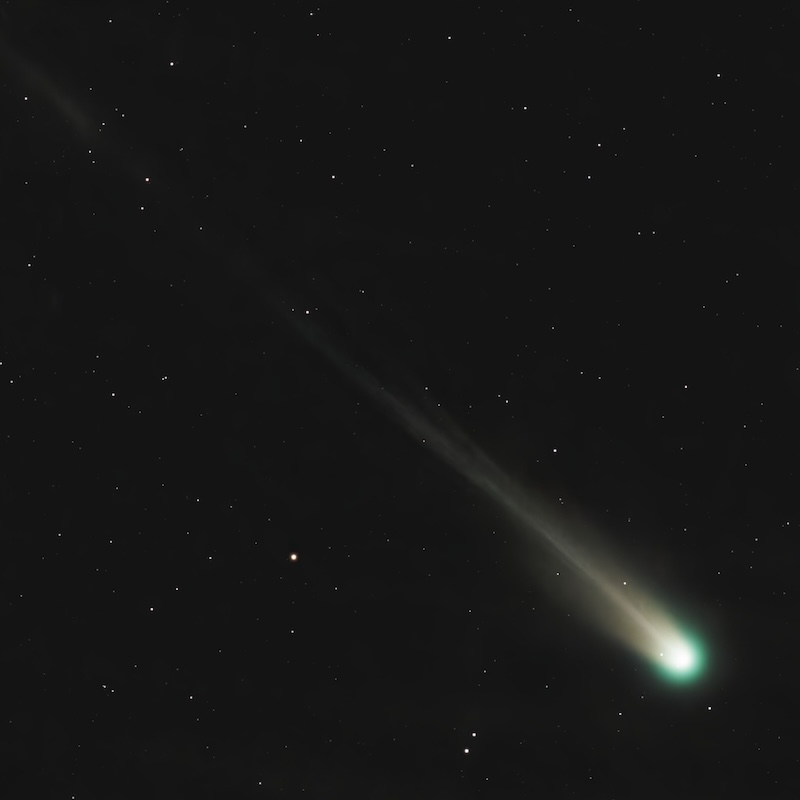
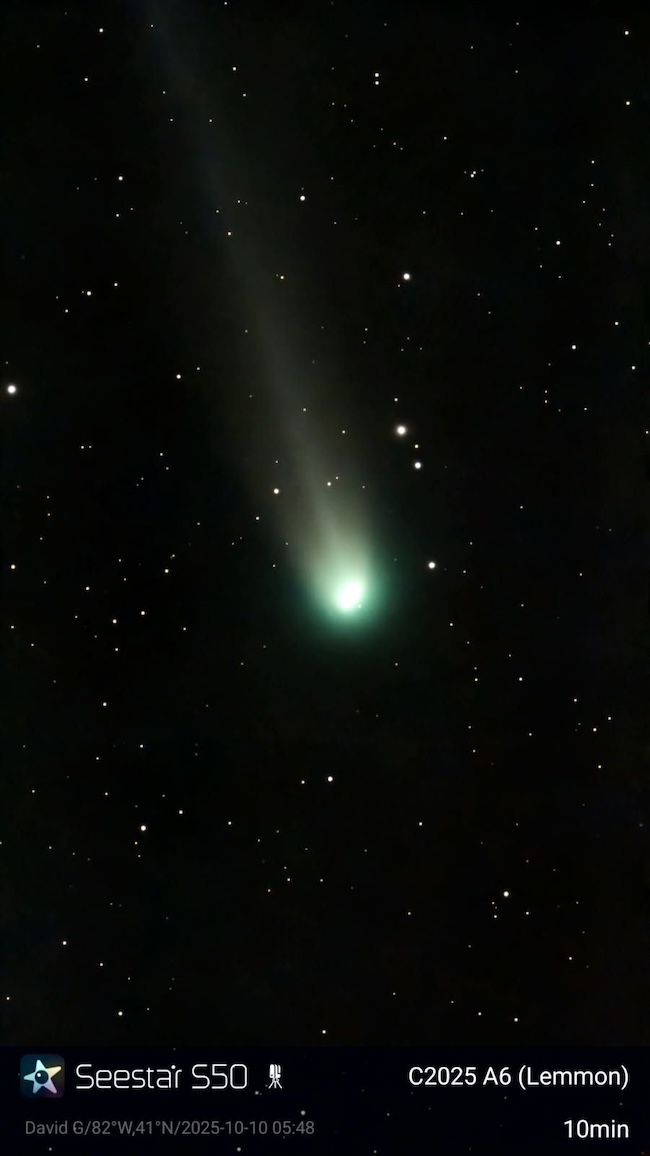
Comet Lemmon might be the best comet of 2025. The comet was closest to Earth on October 21, 2025. It’s at its brightest now. And it’ll be closest to the sun on November 8. The EarthSky community has captured many glorious images of this comet as it speeds toward the sun. Enjoy the images here, and keep checking back for more! If you have an image of the comet, you can submit it to us here.
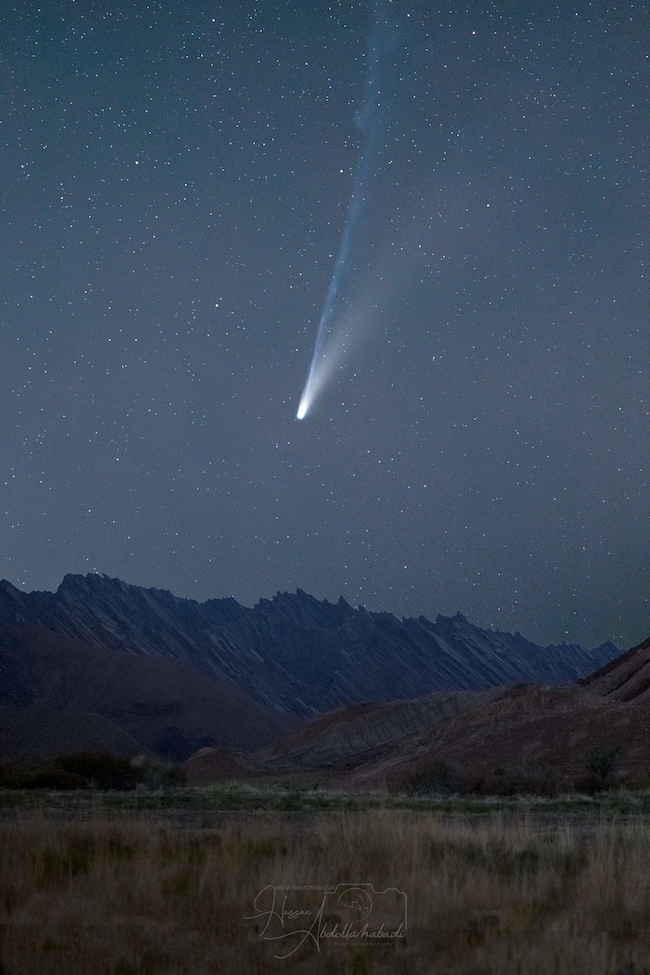
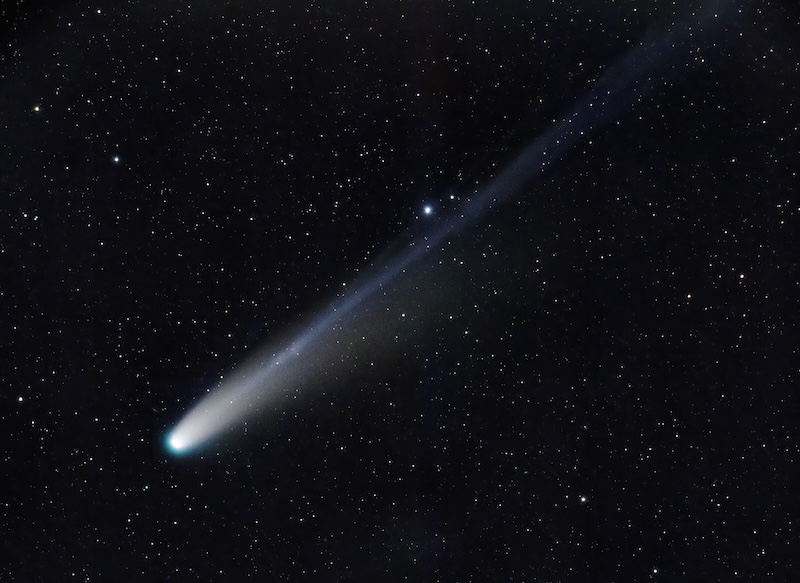
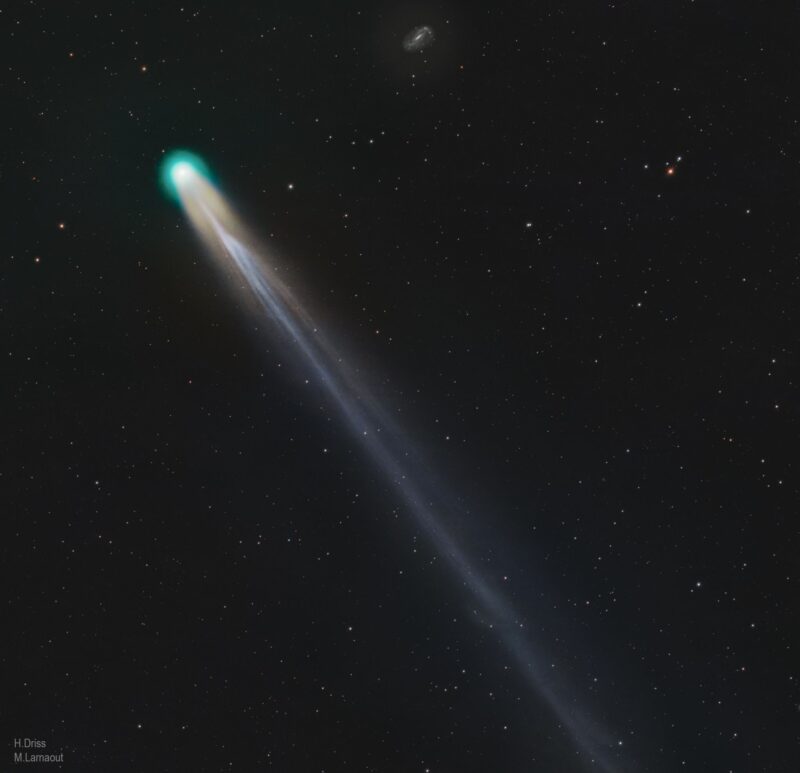
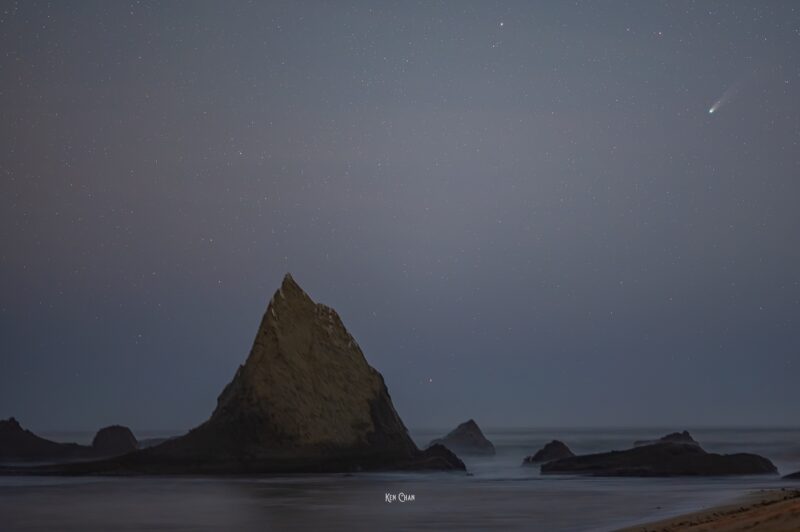
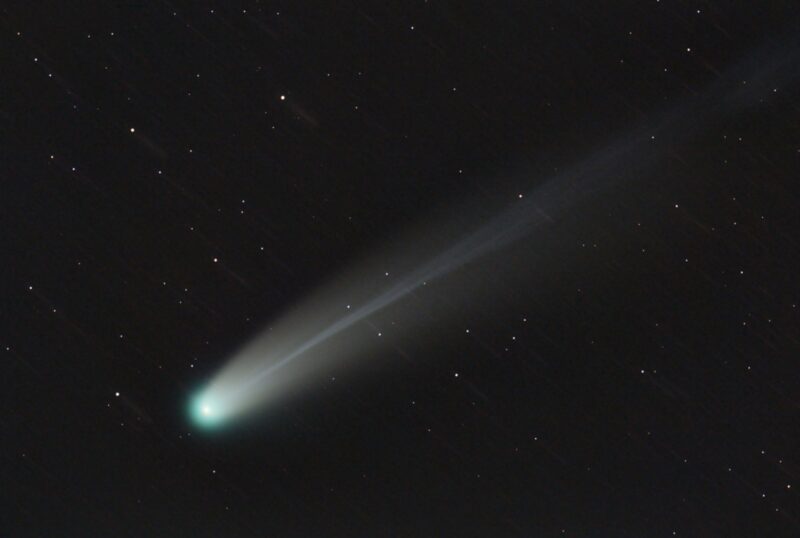
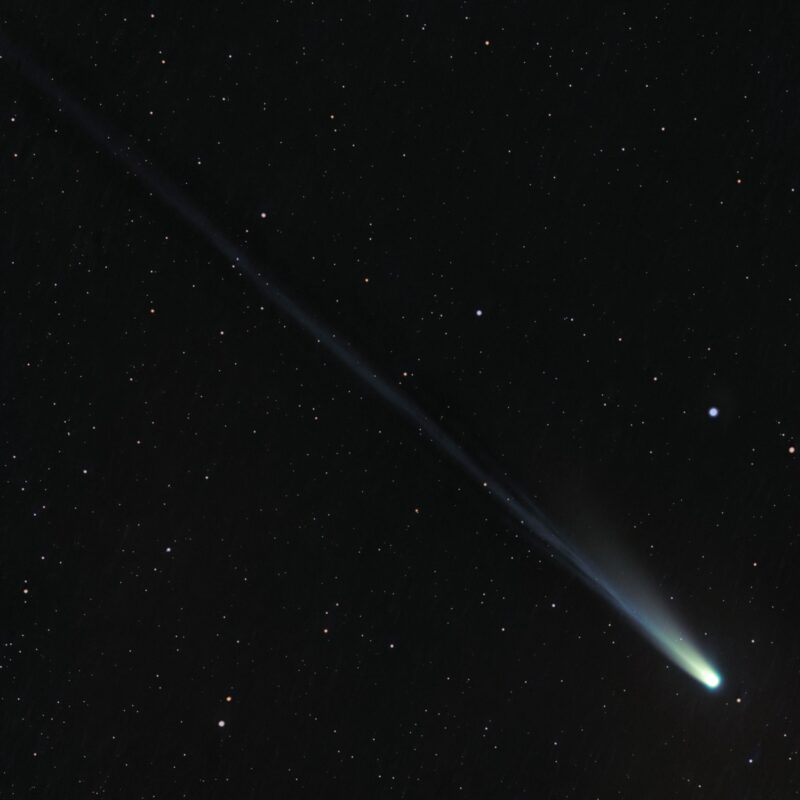
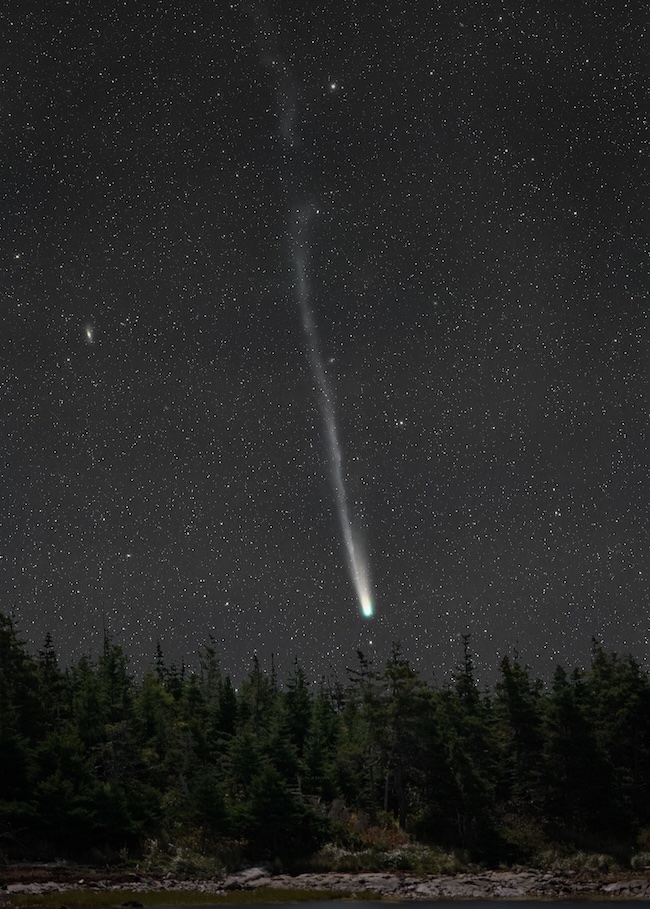
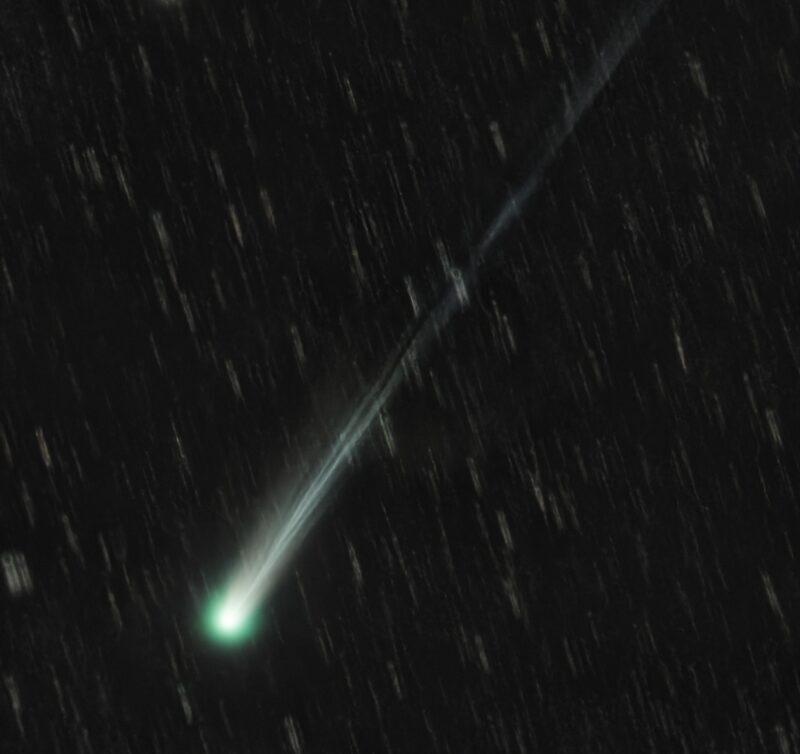
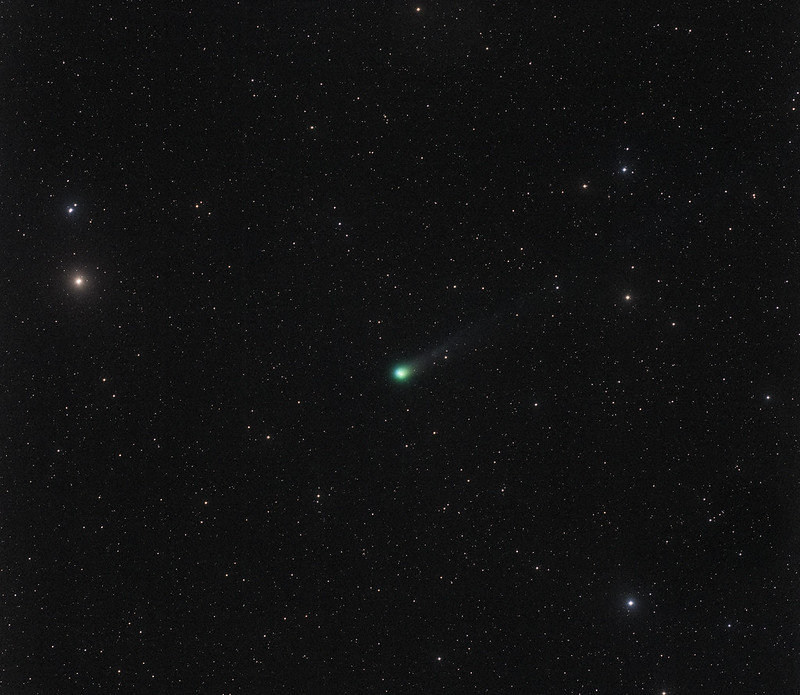
View at EarthSky Community Photos. | Hassan Abdollahabadi captured this photo on October 26, 2025, from Iran and wrote: “Comet Lemmon continues its journey through the solar system, reaching perihelion on November 8, 2025, when it will be 0.53 astronomical units (79 million kilometers; 49 million miles) from the sun.” Thank you, Hassan!View at EarthSky Community Photos. | Eliot Herman captured this image on October 26, 2025, from Arizona and wrote: “Comet 2025 A6 Lemmon is the best comet of 2025. A very nice telescope comet, barely visible in a good dark sky to the eye. In Tucson, the comet is high enough in the sky to be in good, dark sky before it sets, facilitating my ability to capture it. The comet was discovered by a Tucson area telescope on Mt Lemmon so capturing it from my backyard in Tucson seems that much more appropriate.” Thank you, Eliot!View at EarthSky Community Photos. | Makrem Larnaout in Tunisia captured Comet Lemmon on October 8, 2025. Makrem wrote: “Imaged under the bright light of the full moon, this photograph captures the spectacular Comet C/2025 A6 (Lemmon) with its vivid green coma and an exceptionally long ion tail extending across the frame. Despite the challenging lunar conditions, the structure of the tail and fine dust details were beautifully preserved. The distant galaxy NGC 331 is also visible in the same field [top center], adding a fascinating background element to this cosmic scene.” Thank you, Makrem!
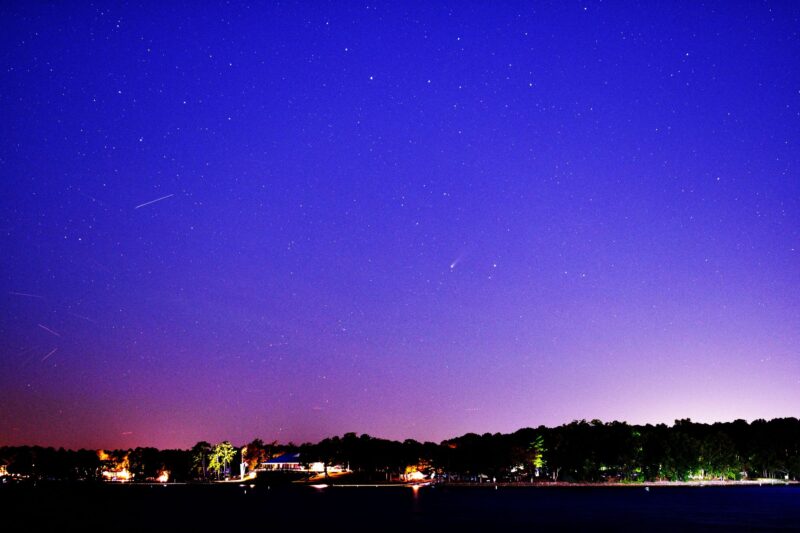
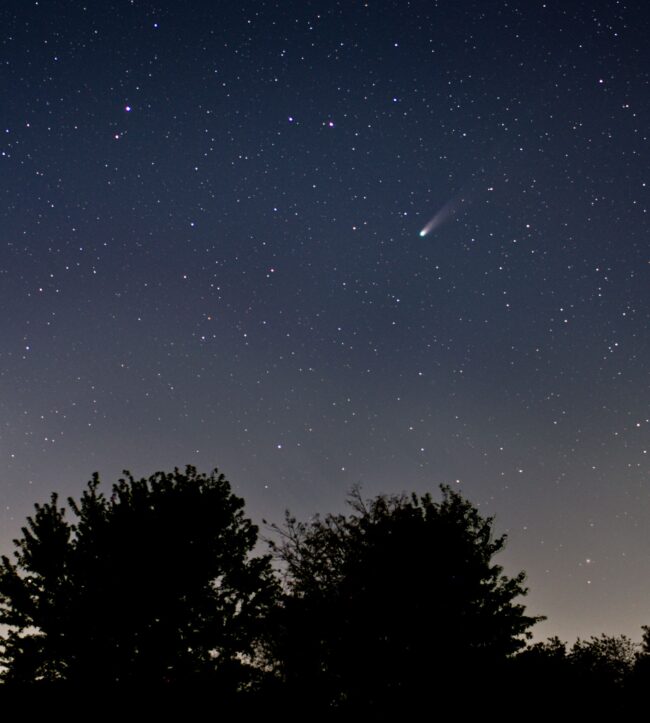
View at EarthSky Community Photos. | Tom Cofer captured this image on October 8, 2025, from Florida. Tom wrote: “My first comet capture! Quite the ordeal learning how to process a comet. That is one of my favorite parts of this hobby, always something new to learn.” Thank you, Tom!View at EarthSky Community Photos. | Stéphane Picard captured Comet Lemmon from Quispamsis, New Brunswick, Canada, on October 4, 2025. Stéphane wrote: “Comet Lemmon is hanging near the Big Dipper in the early morning hours before sunrise. Although not visible to the unaided eye yet, it may become visible later this month. It is currently heading inward toward our sun at a speed of almost 60 kilometers a second [134,000 mph].” Thank you, Stéphane!View at EarthSky Community Photos. | Mario Rana in Hampton, Virginia, caught the comet on October 4, 2025. Thank you, Mario!
More comet photos
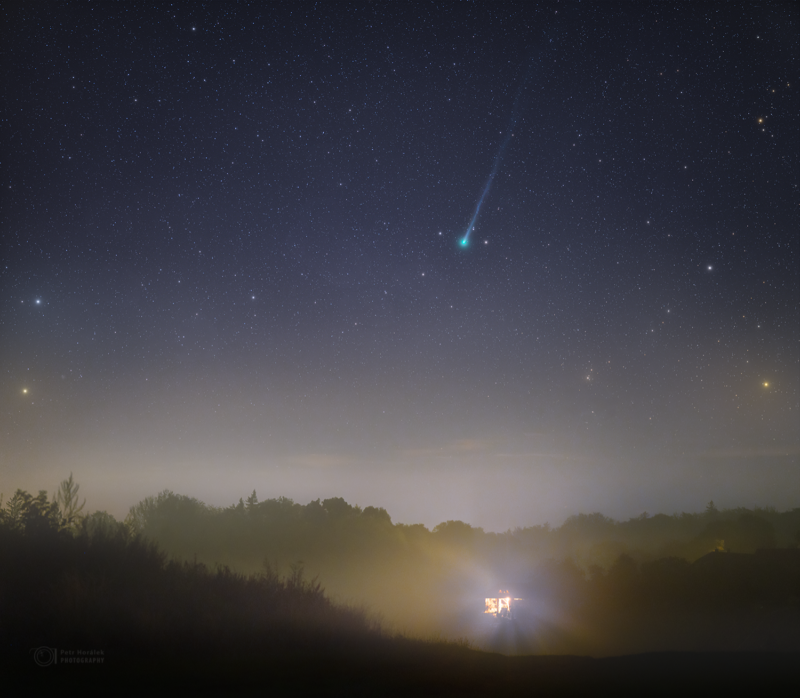
View at EarthSky Community Photos. | Steven Bellavia in Smithfield, Virginia, captured Comet Lemmon on October 2, 2025. Steven wrote: “C/2025 A6 (Lemmon), as it approaches perihelion. I was easily able to see the head in my Celestron 15×70 SkyMaster Pro binoculars.” Thank you, Steven!View at EarthSky Community Photos. | Petr Horálek in Prosec u Sece, Czech Republic, captured Comet Lemmon on October 1, 2025. Petr wrote: “The beautiful comet is now located in Ursa Major and starts to be circumpolar from northern mid-latitudes. My observation was truly dramatic, as the approaching fog made the view and photography increasingly challenging. Eventually, here is the result, showing a truly significant ion tail of the comet, visible even in small binoculars. Small, but lovely comet, indeed!” Thank you, Petr!Eliot Herman captured Comet A6 Lemmon using a remote iTelescope on September 29, 2025. Thank you, Eliot!
Bottom line: Enjoy these editor’s picks of EarthSky community photos of Comet Lemmon (C/2025 A6). It’s currently on its way toward closest approach to the sun.
Meet Marcy Curran, our voice of the night sky on EarthSky YouTube. Check out her popular short videos in the Sky category on our YouTube channel. When she's not making videos, Marcy is an EarthSky editor, helping to keep our night sky guide up-to-date and just generally helping to keep the wheels turning around here. Marcy has enjoyed stargazing since she was a child, going on family camping trips under the dark skies of Wyoming. She bought her first telescope in time to see Halley’s Comet when it visited the inner solar system in 1986. She co-founded her local astronomy club and remains an active board member. Marcy taught astronomy at her local community college for over 20 years. She and her husband live in Wyoming, in a rural location, with an all-sky camera and super-good horizon views! And, they built an observatory to capture images of the night sky.
Like what you read? Subscribe and receive daily news delivered to your inbox.
Thank you! Your submission has been received!
Oops! Something went wrong while submitting the form.