Science matters. Wonder matters. You matter. Join our 2026 Donation Campaign today.
Rubin Observatory begins 10-year timelapse of the universe
Last June, we got our first look at what the Vera C. Rubin Observatory could do. We were wowed by images of galaxies floating in deep space and a video of thousands of never-before-seen asteroids. And now, on June 30, 2026, the Rubin Observatory has officially begun its 10-year-long survey of the night sky: the Legacy Survey of Space and Time (LSST).
Every night for the next decade, Rubin will rapidly scan the sky using the world’s largest digital camera to create an ultra-wide, ultra-high-definition timelapse of our universe. The goal of the survey is:
to create the most comprehensive, cinematic record of the universe in history.
Brian Stone, the National Science Foundation director, said:
Today, we begin filming the greatest cosmic movie ever made.
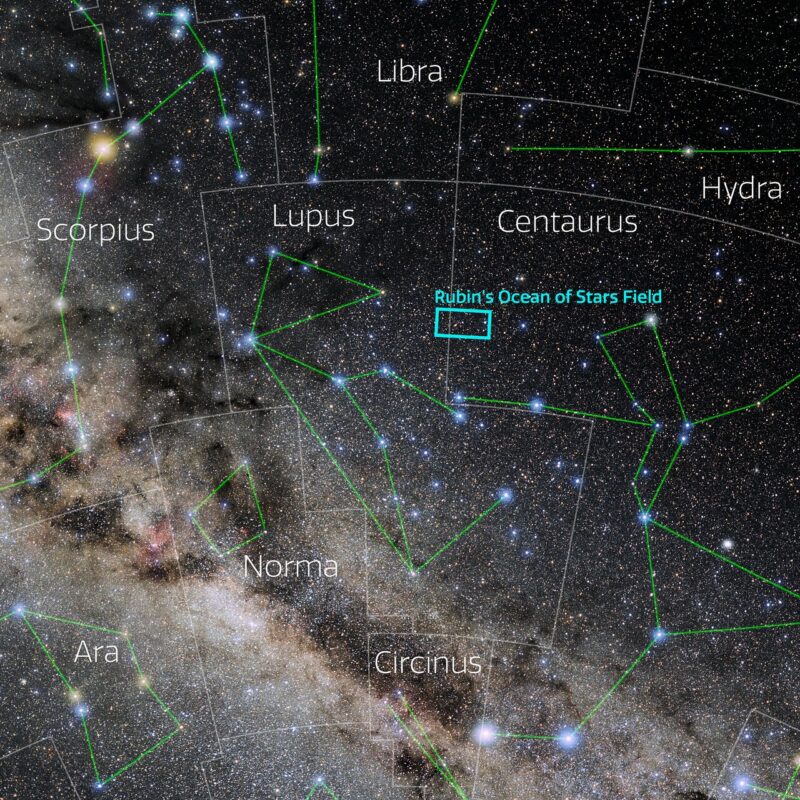
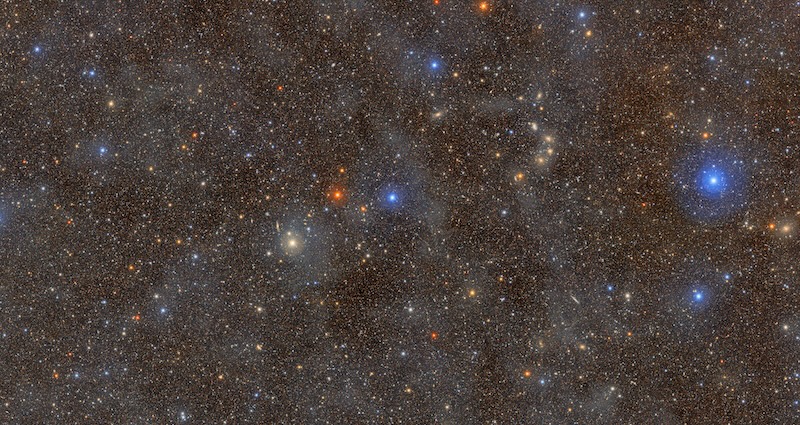
A flood of data
The Rubin Observatory acquires about 10 terabytes of data per night. And every time it sees something change in the night sky – whether that be a supernova erupting or an asteroid sailing in front of the background stars – it sends an alert. How many alerts might it produce in one night? As many as 7 million, says NOIRLab.
After 10 years of the survey, astronomers expect a final dataset of billions of objects with trillions of measurements. It will open the gates to a flood of knowledge about the universe. And that information will be available to both scientists and the public.
Darío Gil of the U.S. Department of Energy said:
Rubin Observatory will capture the dynamic nature of our cosmos and reveal unimagined insights into our universe’s biggest mysteries, from our own solar system to the very structure of the universe. By seeking to understand the enigmatic phenomena of dark energy and dark matter, we are not just observing the stars; we are striving to grasp the fundamental laws that govern our existence.
Watch: A week in the life of Rubin Observatory
The Rubin Observatory will build a multicolor map of the universe. This video shows how much of the sky Rubin can scan in a week with its various color filters.
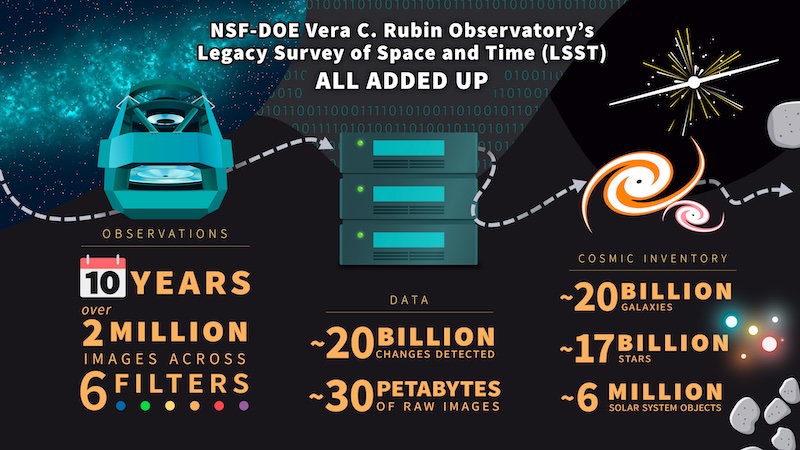
Rubin Observatory by the numbers
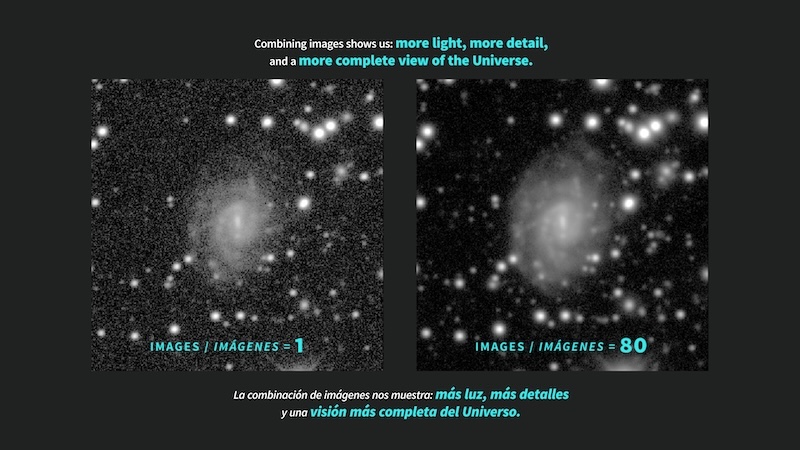
Bottom line: The Rubin Observatory has now begun its Legacy Survey of Space and Time. This 10-year survey will create a timelapse record of the universe, from asteroids cruising through our solar system to whirling deep-space galaxies.
Read more: Rubin Observatory launches real-time alert system
Like what you read?
Subscribe and receive daily news delivered to your inbox.
More from
Kelly Kizer Whitt


The MMX mission launches to Mars’ moons on Monday

Visible planets and night sky guide for October
No more leap seconds! Timekeeping is officially changing
Space is getting crowded. Here’s the latest satellite report