A daily update by email. Science news, great photos, sky alerts.
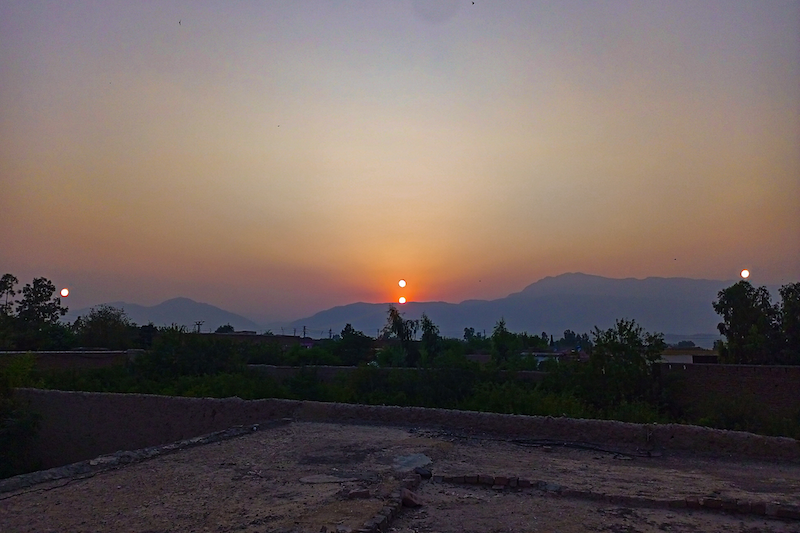
The 2026 September equinox occurs on 14:46 UTC (9:46 p.m. CDT) on March 20. And the equinox sun rises and sets due east and due west.
Are day and night equal at an equinox? No. Earth's atmosphere and our sun team up to give us more day than night during an equinox.
On this equinox, start tracking the sunset point on your western horizon. You'll see a mighty shift between now and the June solstice.
The year's fastest sunsets and sunrises happen around the equinoxes, and the slowest sunsets and sunrises happen around the solstices.
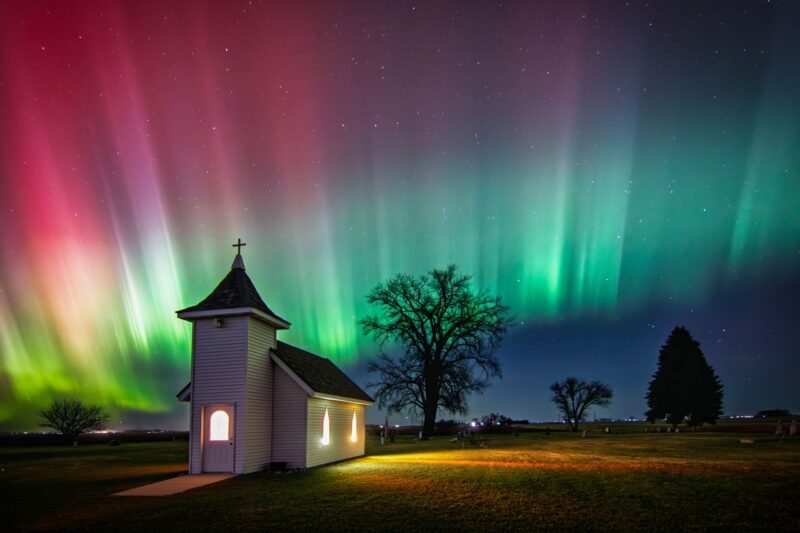
There's an aurora season around the equinoxes, due to the way the magnetic fields of the sun and the Earth work in conjunction with sun-Earth geometry.
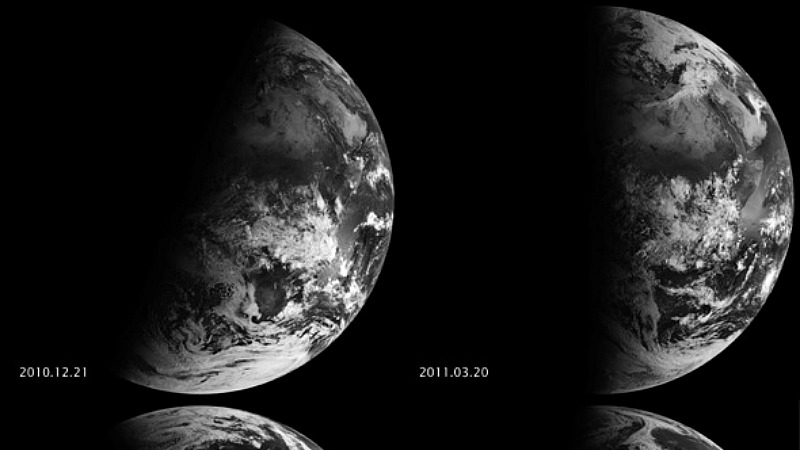
See how sunlight falls on Earth's surface during the solstices and equinoxes, and get a better understanding of why Earth's tilt causes the seasons.
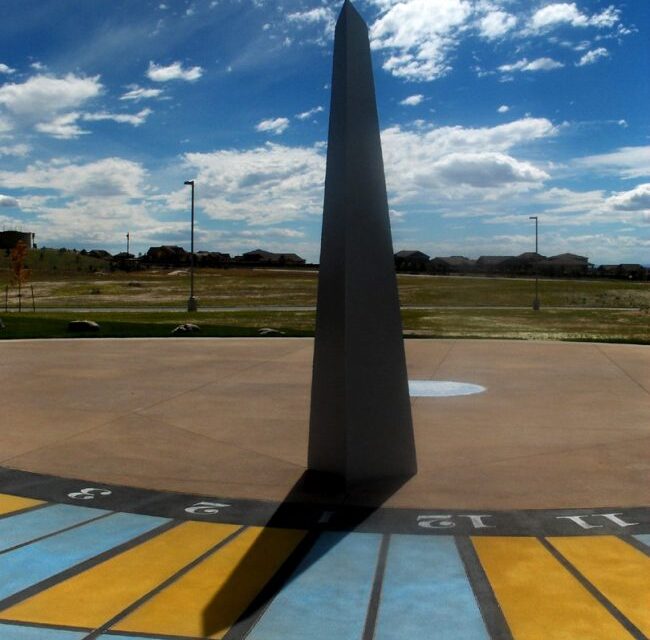
Equinox shadows are unique. On this day - and only this day - the tip of an upright stick's shadow follows a straight path, west to east, all day long.
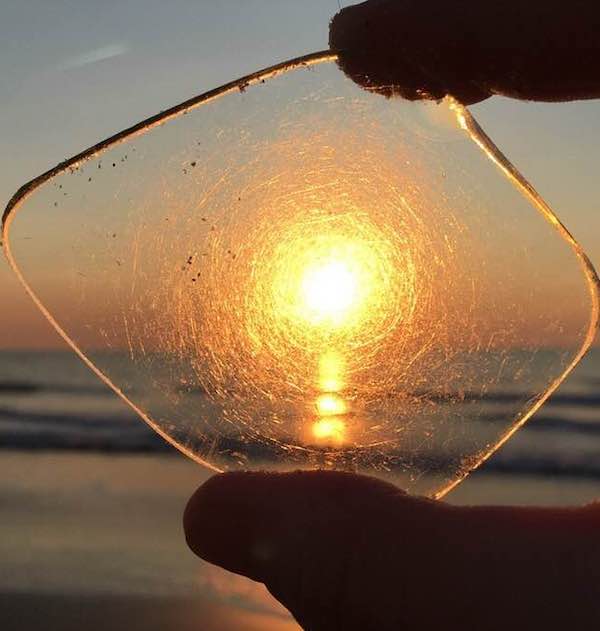
Day and night are mostly equal on the equinox. There's a bit more daylight because the sun is a disk, not a point, and Earth’s atmosphere refracts sunlight.
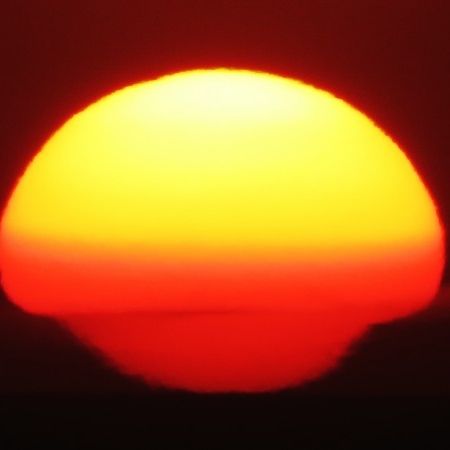
We're talking about the amount of time needed for the body of the sun to sink below the horizon. It's true. The sun actually sets faster around the time of an equinox.
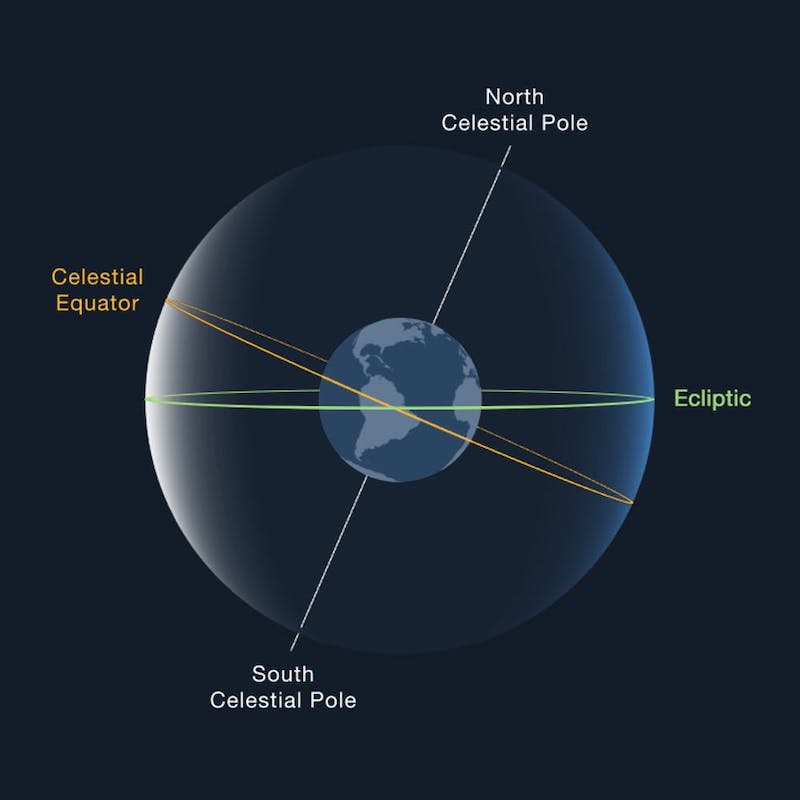
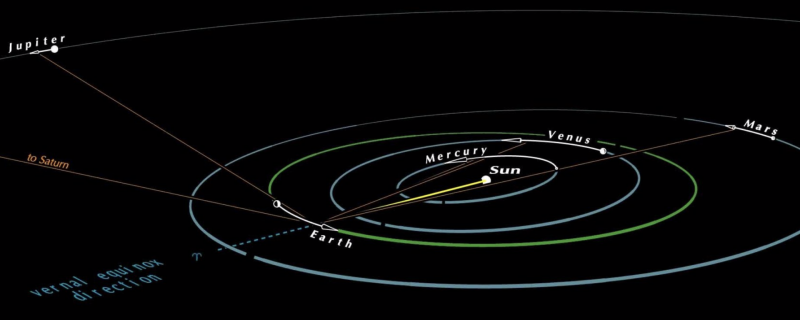
You can think of the equinox not as a whole day, but as a point along Earth's orbit. Want to understand that better? Guy Ottewell offers some insights.
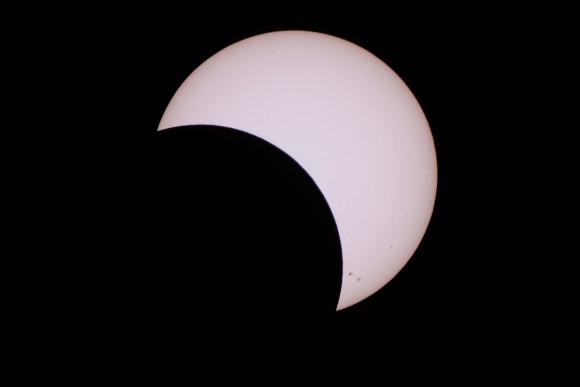
A total solar eclipse happened on the day of the March equinox in 2015. When is the next one after this, and how often do we get an equinox-eclipse?
The Age of Aquarius may be said to begin when the vernal equinox point moves in front of Aquarius. But when will that be?
Happy May Day! This annual celebration has its roots in astronomy as 1 of 4 cross-quarter days. Dancing around a maypole is a traditional May Day celebration.
In 2026, Easter falls on April 5. It falls on the first Sunday after the first full moon after the March equinox. More about the date of Easter, here.
While astronomical spring doesn't start until March 20, meteorologists and climatologists use March 1 as the first day of spring for consistency.
Sun activity archive for March 2026. A daily record of flaring, big filaments and prominences, and other sorts of activity, on our local star.
Spring fireball season is now! The rate of fireballs (bright meteors) often goes up in the Northern Hemisphere by as much as 30% from February through April.
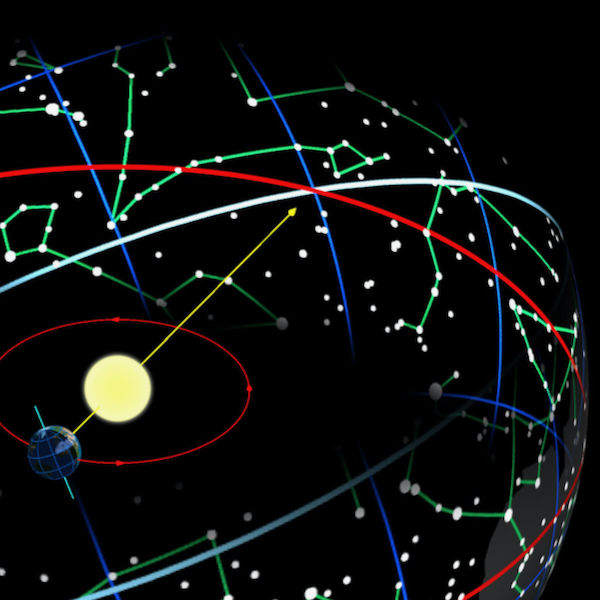
Maybe you associate the word zodiac with astrology. But it has an honored place in astronomy, too. It's defined by the path of the sun across our sky.
Why does the New Year begin on January 1? The tradition stems from the festival of Janus, the Roman god of past and future.
Here are predictions from Guy Ottewell for the observable comets in 2024. C/2023 A3 Tsuchinshan-ATLAS might be a bright comet in October.