A daily update by email. Science news, great photos, sky alerts.
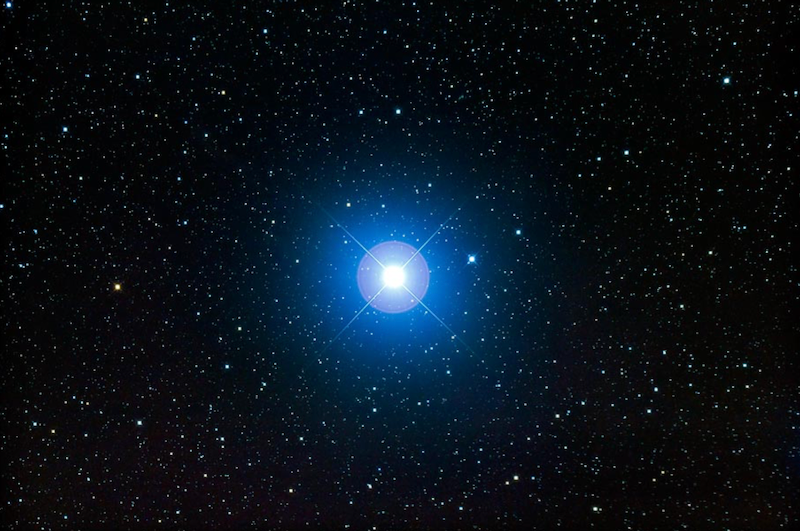
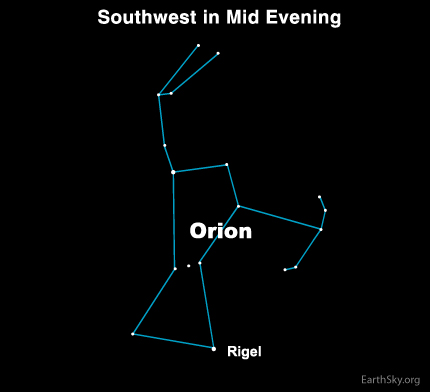
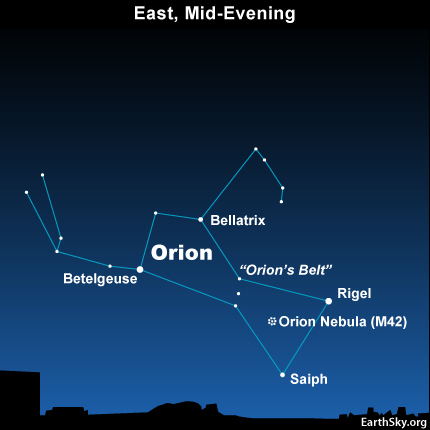
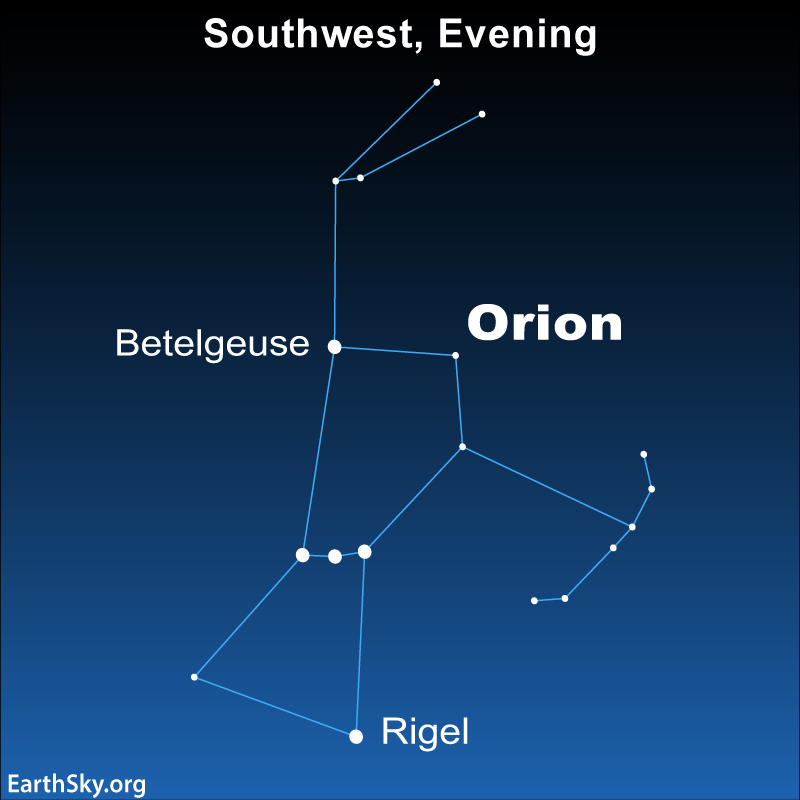
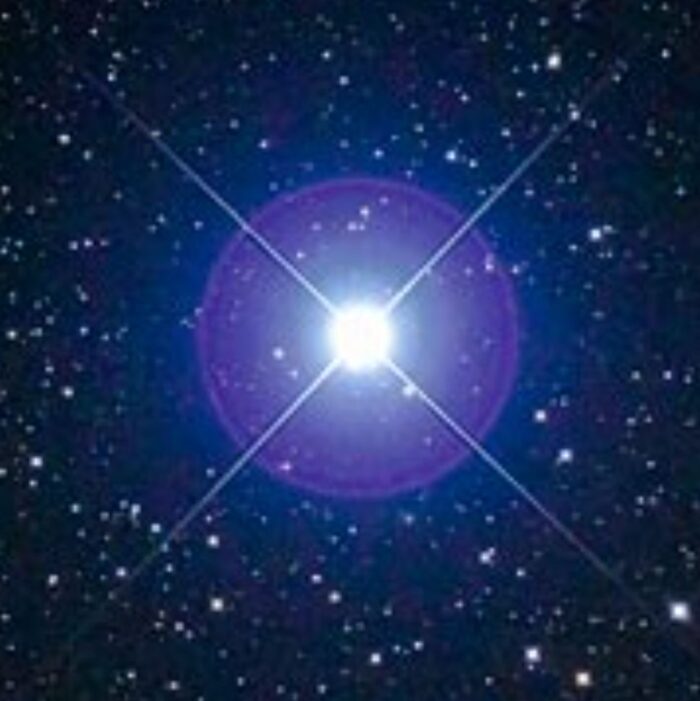
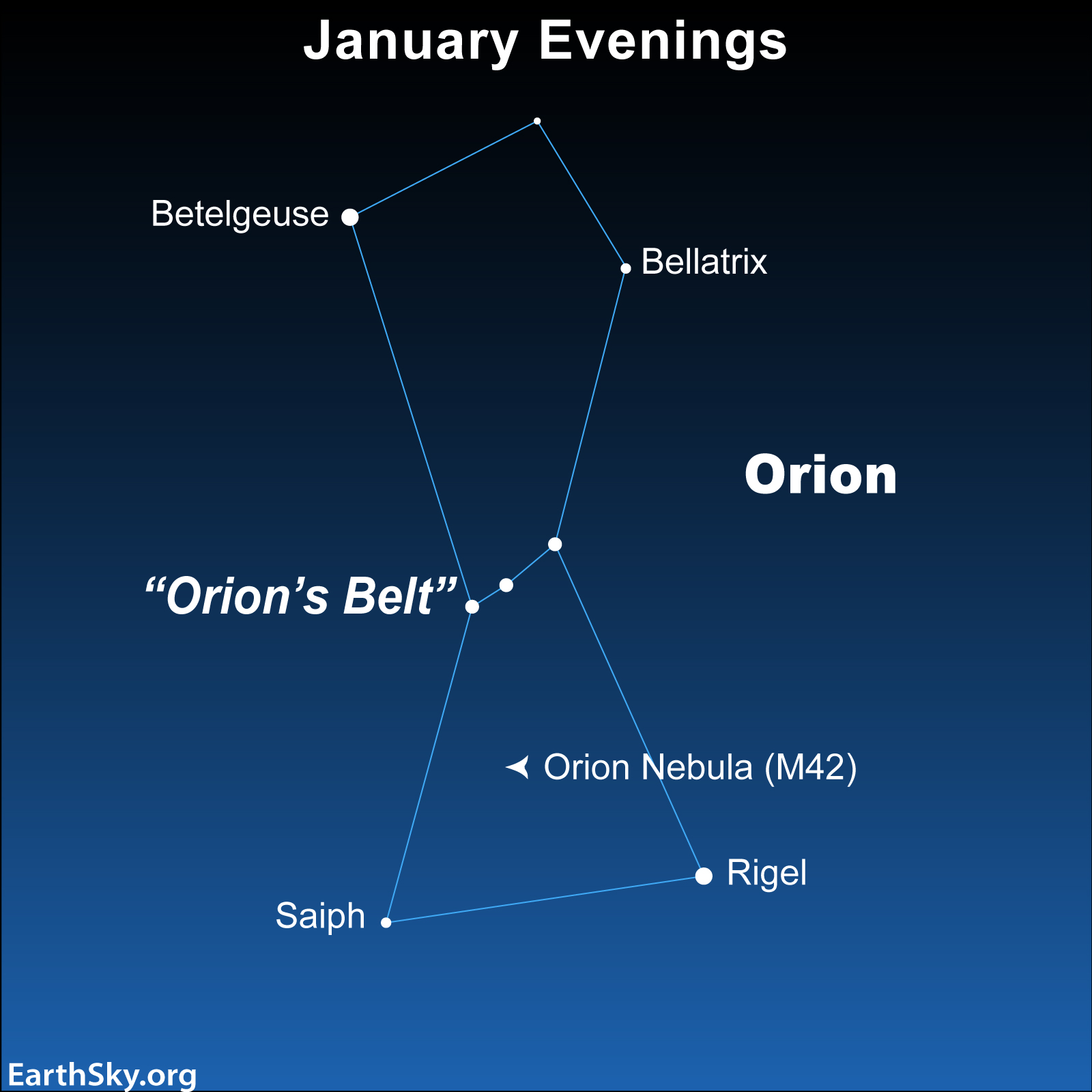
Blue-white Rigel shines as the brightest star in the constellation Orion the Hunter. It's a hot massive star, that someday will explode as a supernova.
Rigel is far, some 775 light-years away. It must be extraordinarily luminous to be so distant yet shine so brightly in our sky.
Many constellations have a bright star, but Orion has two: Rigel and Betelgeuse.
The night sky in the time of the dinosaurs would have looked much different than today’s. Some famous stars had not yet been born. Read more.
As Earth makes its grand tour around the sun each year, the stars and constellations all do a westward shift in our sky. Orion is a good one to notice.
Constellations and asterisms are patterns of stars. Some asterisms consist of stars from different constellations, and some are part of 1 constellation.
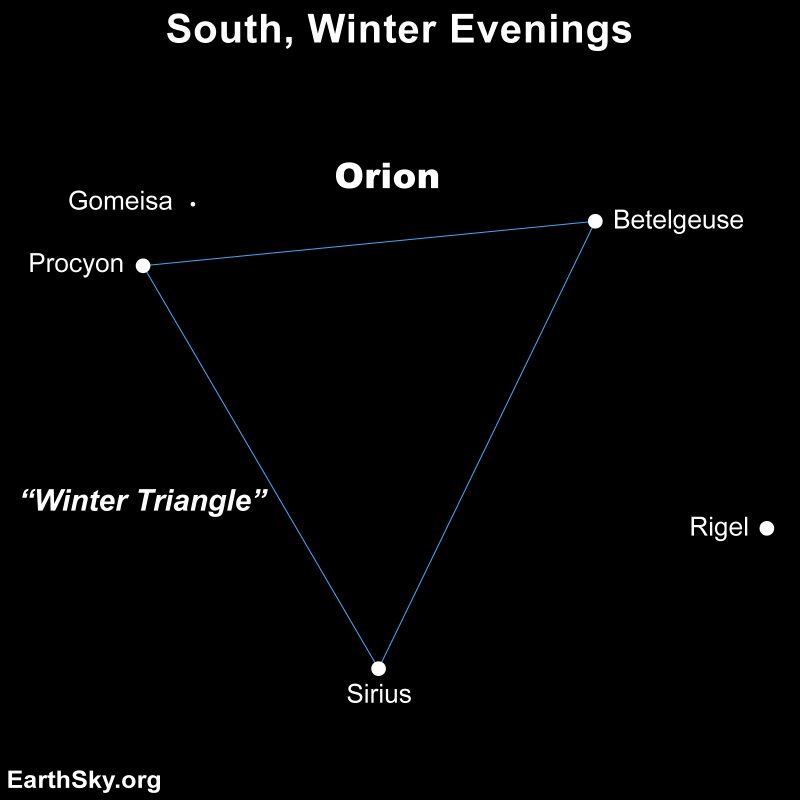
The Winter Triangle is a distinct pattern of stars in the night sky formed by 3 of the brightest stars: Sirius, Betelgeuse and Procyon.
The bright blue-white star Castor, in the constellation Gemini, appears to our eyes as a single star. But it’s really a family of 6 stars.
Pollux, the brightest star in the constellation Gemini, blazes in a golden light next to its bluish-white heavenly twin, Castor.
Canis Minor is a small constellation with 1 notably bright star, Procyon. The constellation of the Lesser Dog follows Orion the Hunter across the sky.
The constellation Gemini the Twins is home to Castor and Pollux. Learn more about these bright stars, visible on northern winter nights.
Winter is the perfect time for noticing the colors of the stars. Start with Capella, then move on to Taurus and Orion. Check out some colorful stars tonight!
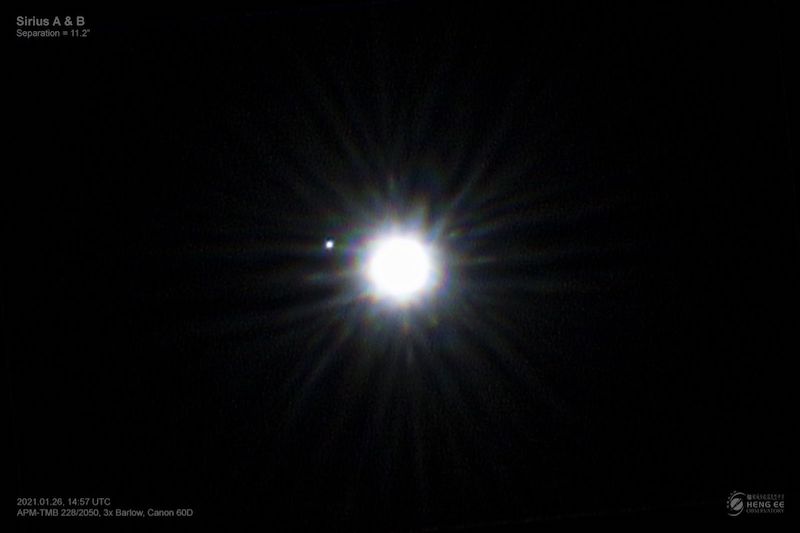
Sirius is the brightest star as seen from Earth and is visible from both hemispheres. It lies just 8.6 light-years away, in the constellation Canis Major.
Now is a great time to see Sirius' dim companion, Sirius B. The 2 are currently at their maximum separation as viewed from Earth.
Will Betelgeuse have another period of noticeable dimming? Betelgeuse will explode as a supernova someday. When it does, it'll be visible in daylight.
Where do we live in the Milky Way galaxy? We lie between the major arms in a smaller spiral arm known as the Orion Arm. See diagrams here.
Orion the Hunter is one of the easiest constellations to identify thanks to Orion's Belt, the 3 medium-bright stars in a short, straight row at his waist.
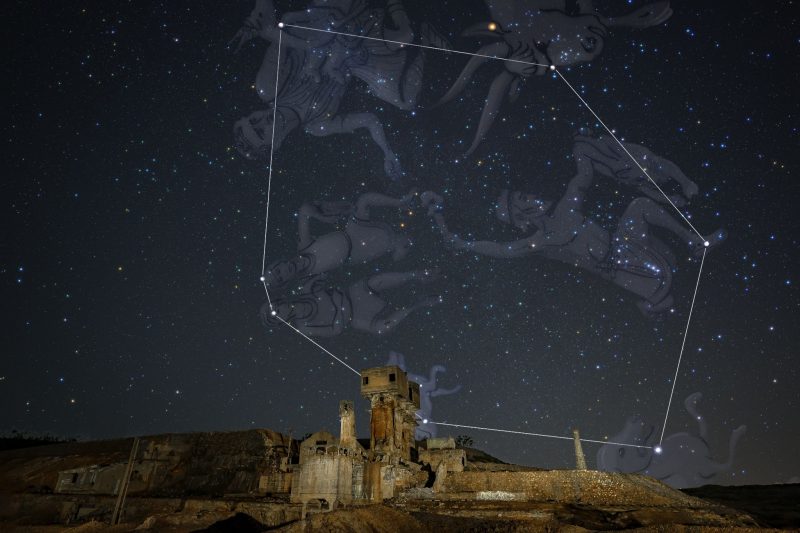
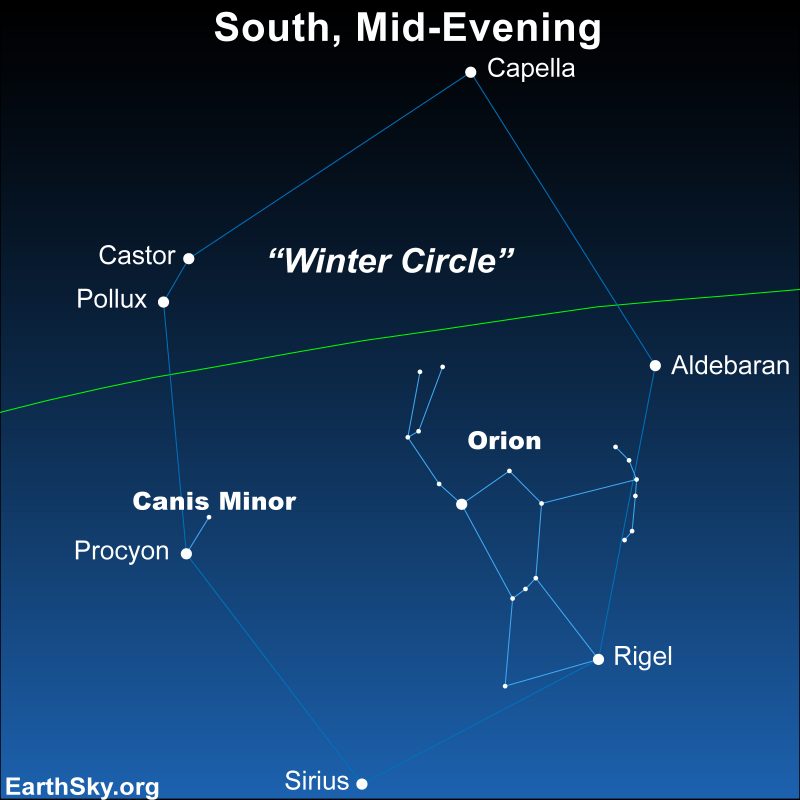
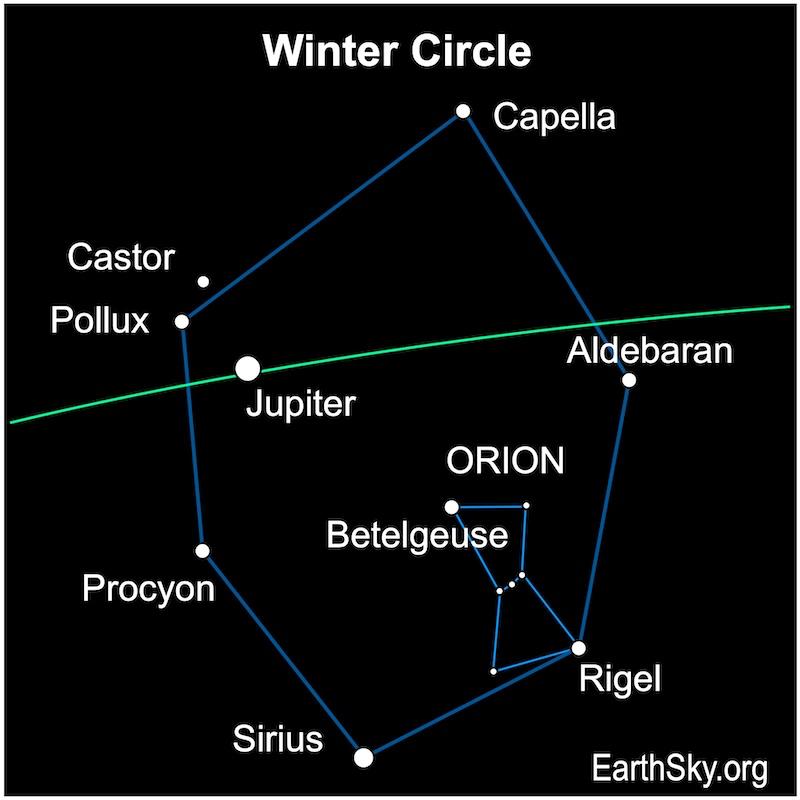
The brightest stars in the Northern Hemisphere's winter sky form the shape of the Winter Circle, or Hexagon, that will help you locate 6 constellations.
You can see the Orion Nebula as a fuzzy spot in the sky using just your eyes. It's really a vast cloud in space where new stars are forming. Learn more.
Orion the Hunter may be the most recognizable constellation, visible from both hemispheres. It's best in winter from the north and summer from the south.
EarthSky Newsletter
Nearly half a million daily subscribers love our newsletter. What are you waiting for? Sign up today!
Join now to receive free daily science news delivered straight to your email.