What are smart scopes? And why are they great for astrophotography? EarthSky’s Marcy Curran tells you why she loves them. Watch in the player above, or on YouTube.
What’s a smart scope?
A smart scope (or smart telescope) is an automated, all-in-one digital telescope. It’s designed mostly for astrophotography and digital observation (rather than traditional optical viewing). It’s a great way for anyone to get into astronomy and especially astrophotography!
Unlike a telescope — where you look through with an eyepiece — a smart telescope is more of a camera. You (generally) can’t observe directly with it.
Plus you run the smart scope with an app on your phone or tablet.
It has automated alignment and tracking (GoTo) technology built right in. So, Built-in GPS technology, plus motorized mounts, let the scope align itself automatically with the night sky and track celestial objects as Earth rotates.
A smart scope records each image and saves them. It stacks images on top of each other. So you can watch the image get more detailed on the screen. In a way, it’s like having a live image processor.
And when you’re done taking the photos, you hit okay, stop the process and it spits a stacked image out to your phone or tablet.
Then what?
After that, you have the option to save individual images that you can export. You can further process them with imaging software. And so — to me — it’s a fun toy. It’s something I really enjoy. I love taking pictures with it! When I was taking pictures of the sky with film, I would have been thrilled to get the pictures that a smart scope will put out.
You can set it up outside and leave it running all night. You can program it to record a selected target, including when to start and end capturing photos. After you start the program, you just leave it alone. And since it’s a smart scope, you don’t even need to have much knowledge about the sky.
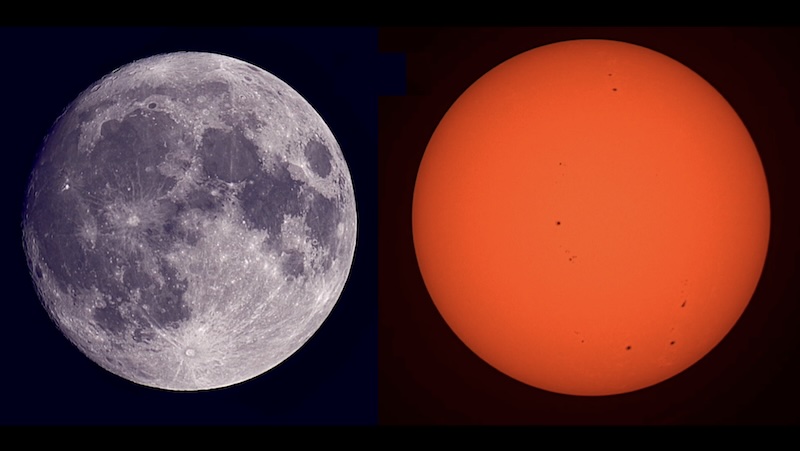
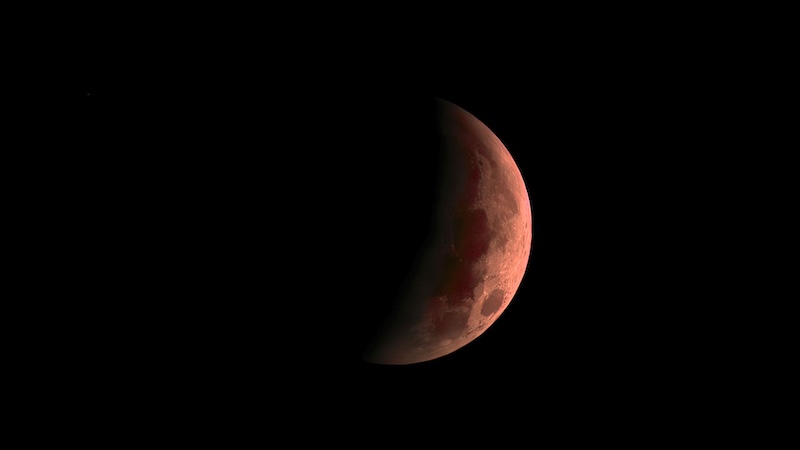
It’ll also take great photos of the sun and moon. My smart scope came with a solar filter to safely record the sun.
Read more: How to know your eclipse glasses are safe
How much do smart scopes cost?
Smart scopes vary from a few hundred dollars to several thousand dollars. Some work directly with your smartphone.
The biggest difference in price is the resolution of your camera. My particular smart scope has a 2-megapixel camera which is equivalent to some older cell phone cameras.
And the higher end ones, the ones that cost more money, have better resolution. With high resolution, you can blow the images up big if you want to.
Can you use them in a big city?
Absolutely, you can use a smart scope in the city. I’ve seen people online who go live on YouTube with their smart scopes recording images from their backyard. They just keep collecting and stacking data. It’s fantastic how well they work. Most smart scopes come with some sort of filter that can help reduce light pollution, making images easier to capture.
I live in a dark, rural place. So I just set my smart scope outside at night and let it take photos all night. Then I stack my pictures with my astrophotography software. The software that comes with smart scopes will also stack images for you. And the smart scope software generally has an image editing tool to tweak your final photos.
There are many smart scopes available
Smart telescopes hit the market fairly recently. And there are more and more available. If you pull up a telescope website, you will get all sorts of options.
Mine was a Valentine present. I loved it. One issue for me is that I have small hands, and it’s kind of a boxy scope that comes with a short tripod. My hand wouldn’t fit on the side of the smart scope. So, when I take it in and out of the house, I put it in a padded tote bag.
Why do I recommend smart scopes?
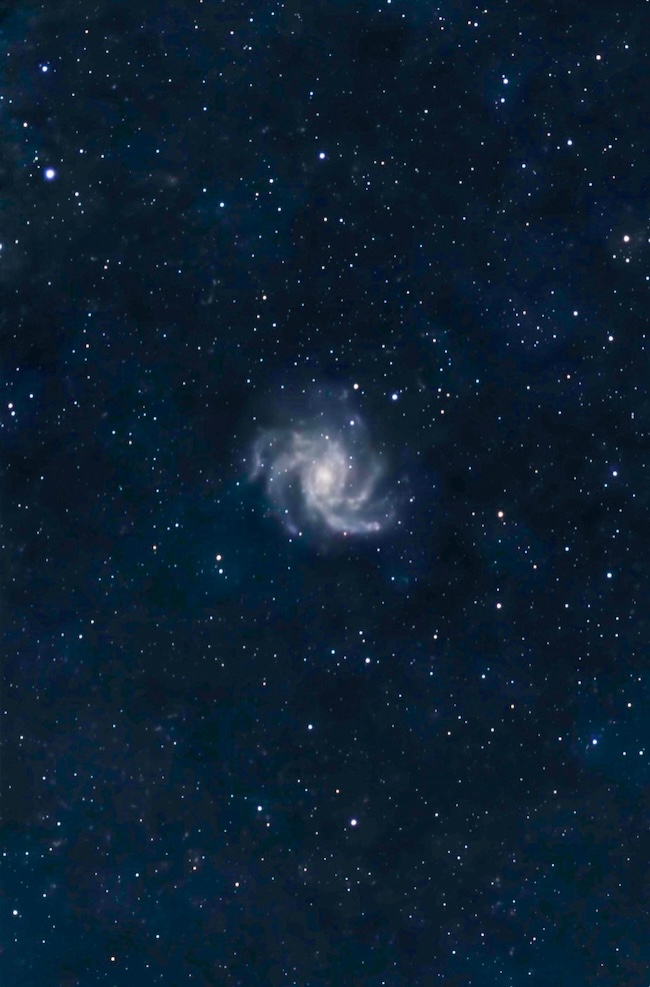
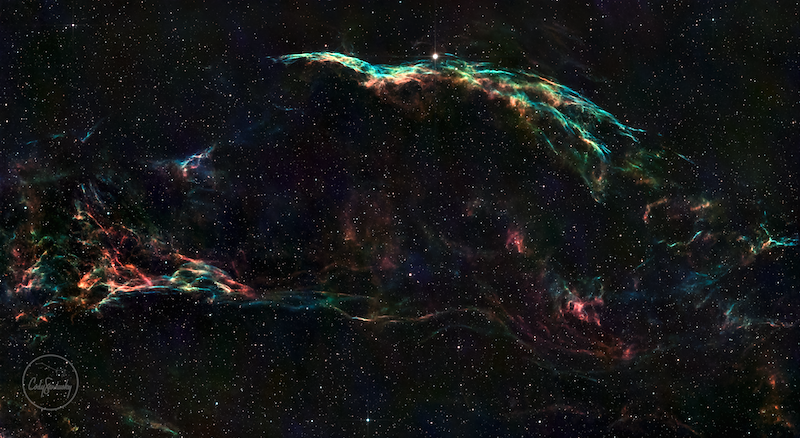
The reason I really like a smart scope is that you can take great astrophotos with it. It’s wonderful on the moon and on the sun.
And you don’t need any prior knowledge of the sky to run one. The scopes include software that’ll find anything you want to look at in the night sky. It’ll process images for you. It might make you more curious about the universe! That would be a good thing, as anyone who loves astronomy can tell you.
And I know many veteran amateur astronomers who have smart scopes, too. They use them because they’re quick and easy to set up, they’re easy to use. They’re portable and sometimes you get sick of lugging a 70-80-pound (32-36 kg) telescope around.
So yes, I think smart scopes are for everyone.
More smart scope photos from our community
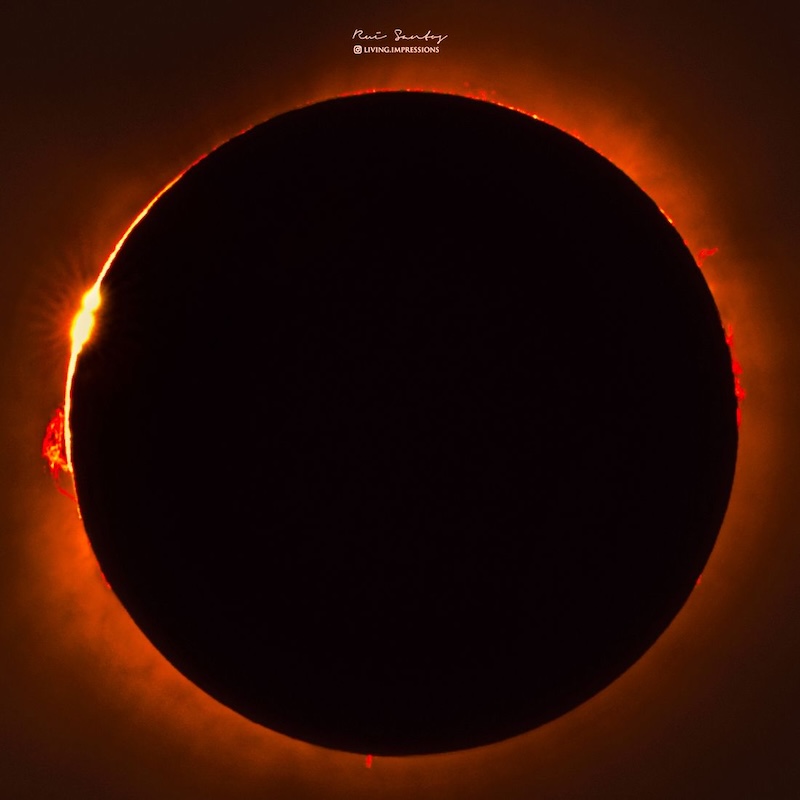
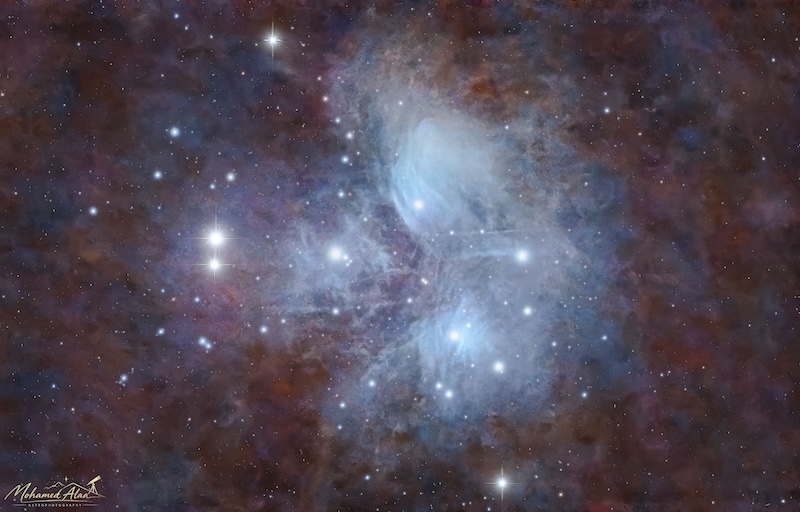
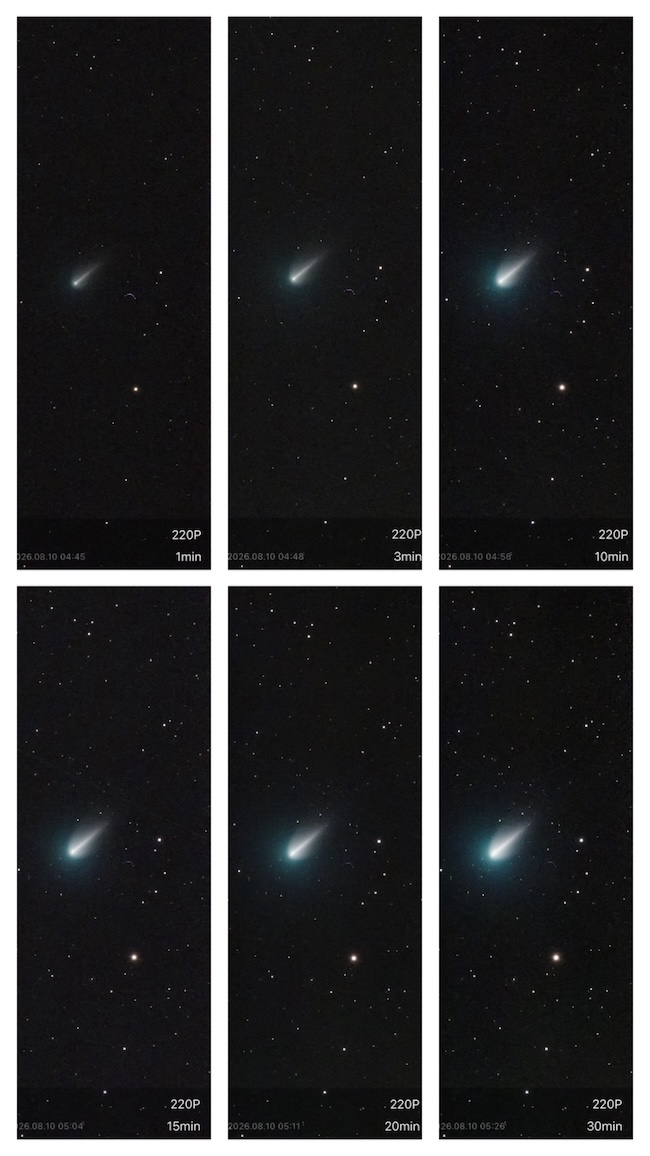
Bottom line: There are many different smart telescopes on the market today. And they can take great astrophotos. Info here. Plus stunning photos made with smart scopes from the EarthSky community.
Like what you read?
Subscribe and receive daily news delivered to your inbox.
More from
Marcy Curran


Visible planets and night sky guide for October and November

Meteor shower guide 2026: Up next … the Taurids
Deep partial lunar eclipse overnight
Teapot of Sagittarius points to the Milky Way’s center