The European Space Agency released this video on sea level rise on September 24, 2018. The video explains that – on average, as measured by satellites orbiting Earth – sea level has been rising 3.1 millimeters (0.12 inches) per year over the past 25 years. Melting glaciers and ice sheets, and the thermal expansion of sea water as oceans warm, are mainly responsible for the rise.
The rate of sea level rise has been accelerating in the past five years to nearly 5 millimeters (0.2 inches) per year. Jérôme Benveniste of ESA, who is featured in the video, called this “a strong acceleration.” He said:
By 2100, we could have a rise of 2 meters [6.5 feet].
Watch the video for more.
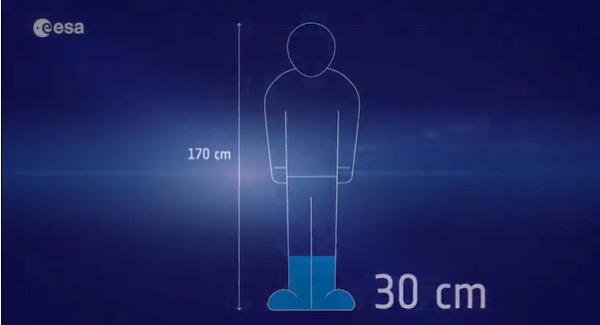
Bottom line: A new ESA video on the rate of increase in sea level rise.
Like what you read?
Subscribe and receive daily news delivered to your inbox.
More from
Deborah Byrd


Cassiopeia and Perseus on October evenings

Visible planets and night sky guide for October
Orionid meteor shower 2026: All you need to know
See brightest star, Sirius, in your morning sky