



In both the evening and morning sky, try watching for Earth’s shadow, a blue-gray darkness in the direction opposite the sun, darker than the twilight sky.
The pink band above the shadow – in the east after sunset, or west before dawn – is called the Belt of Venus.
The lunar calendars are here! Get yours today. They make great gifts. Going fast!
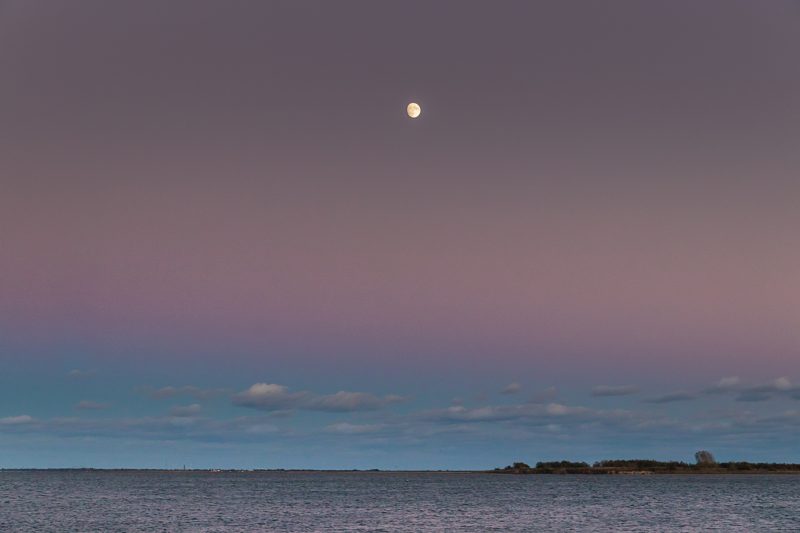
The moon phase shifts throughout the month, and sometimes you won’t find the moon in the night sky. Earth’s shadow, on the other hand, is more reliable. It can be seen any clear evening, ascending in the eastern sky at the same rate that the sun sets below the western horizon.
The shadow of the Earth is big. You might have to turn your head to see the whole thing. And the shadow is curved, just as the shadow of any round object is curved. Earth’s shadow extends hundreds of thousands of miles into space, so far that it can touch the moon. Whenever that happens, we see an eclipse of the moon.
Read more and see more photos: When can you see Earth’s shadow?
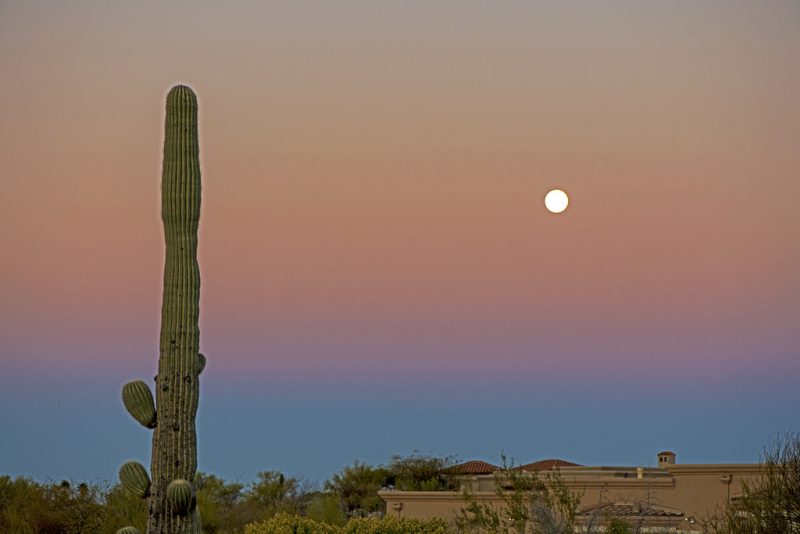
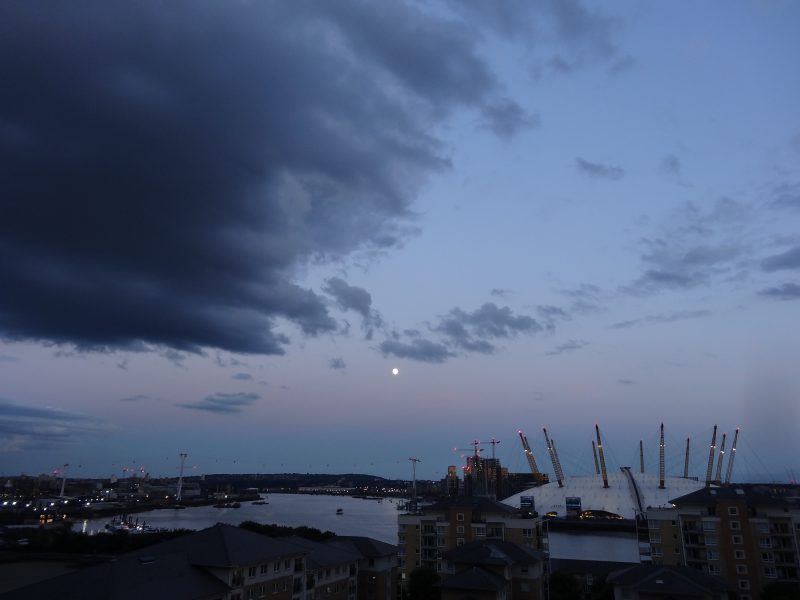
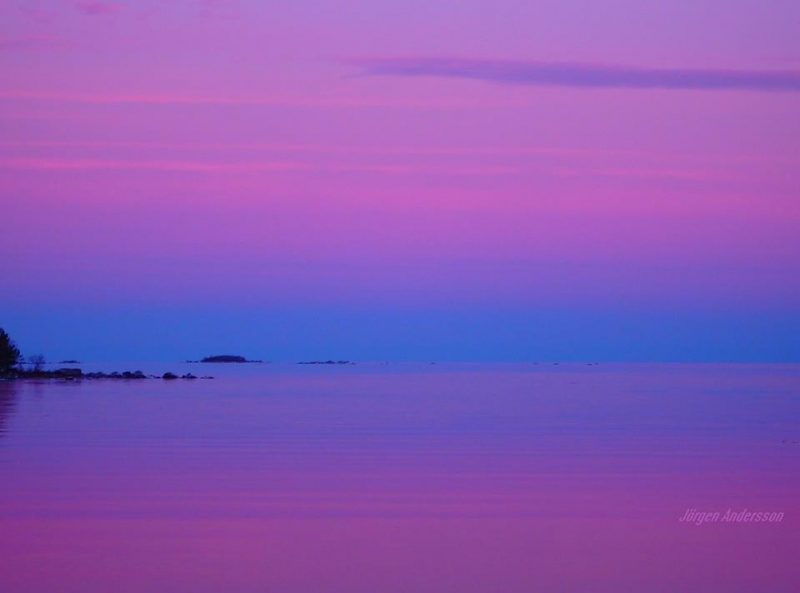
Bottom line: Check out Earth’s shadow – in the east after sunset or in the west before sunrise – next time you have a clear sky. I often see it while out on the streets of my town as the sun is setting. The pink coloration above the shadow is called the Belt of Venus.
Enjoying EarthSky so far? Sign up for our free daily newsletter today!
Like what you read?
Subscribe and receive daily news delivered to your inbox.
More from
Deborah Byrd


How to see the Northern Crown (Corona Borealis)

Today in science: Neil Armstrong’s close call
1st American in space, 65 years ago today
Happy May Day! Today is an astronomy holiday


