After NASA’s Mars Curiosity rover arrived at the top of Mars’ atmosphere on the night of August 5-6, it had just seven minutes to go from a speed of nearly 14,000 mph (22,000 kilometers) to a soft landing on Mars’ surface. Because Mars is now 150 million miles away from Earth, NASA scientists didn’t know if Curiosity landed safely for another seven minutes after that – the time it took a radio signal to travel between our two worlds. NASA TV has been celebrating the landing all week. Check it out: https://www.nasa.gov/ntv
Want to watch the August meteor showers? Click here
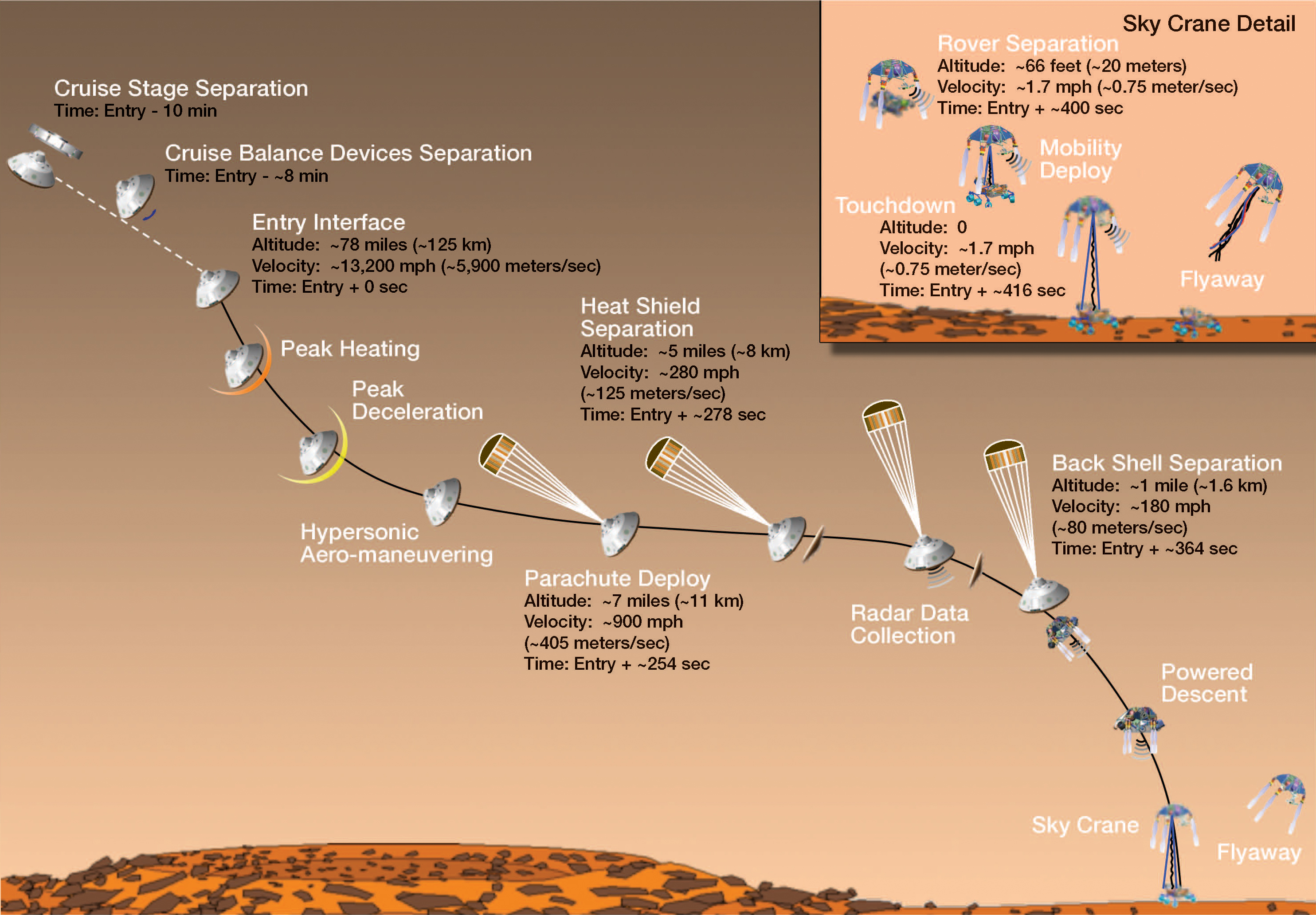
Click here to expand image above
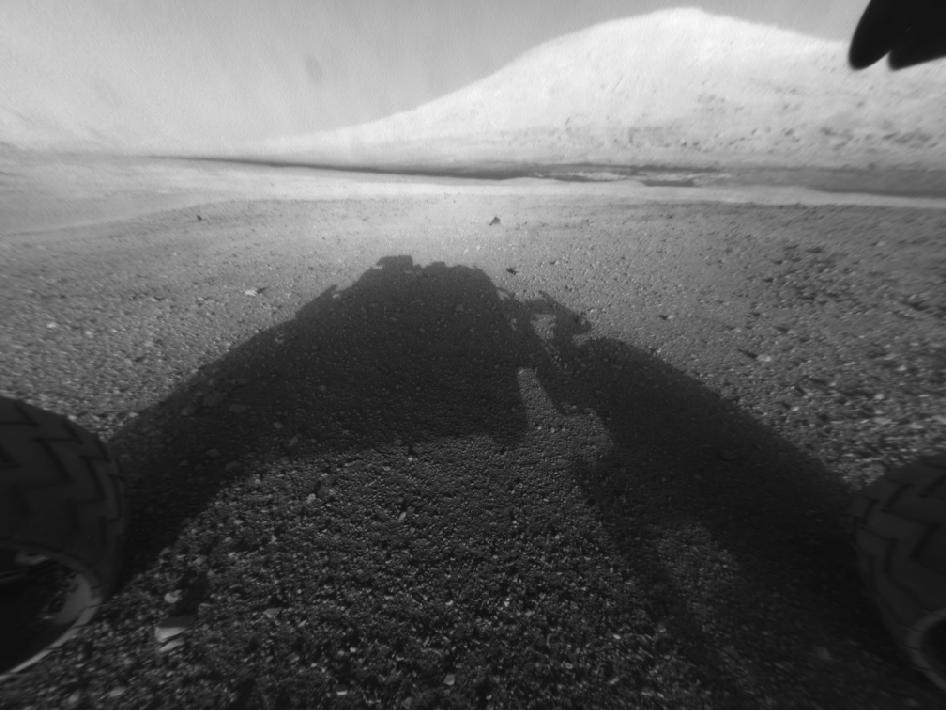
Although Mars is the planet next-outward from Earth, getting to its surface is hard. The Mars Science Laboratory carrying the Curiosity rover is the 40th mission from Earth to Mars. Of these, only 16 including Curiosity have been successful so far.
Also, be sure to step outside after sunset and see Mars itself in your night sky. It’s located in a prominent triangle with another planet, Saturn, and the bright star Spica. Squint – and imagine Curiosity right there on Mars. So check Mars out! West after sunset. You can read more about these sky scene here.
Click here to expand image above

Bottom line: Watch NASA TV to follow the aftermath of the Mars Curiosity rover’s successful landing on Mars.
Like what you read?
Subscribe and receive daily news delivered to your inbox.
More from
Deborah Byrd


Visible planets and night sky guide for October

Cassiopeia and Perseus on October evenings
Orionid meteor shower 2026: All you need to know
See brightest star, Sirius, in your morning sky