A daily update by email. Science news, great photos, sky alerts.
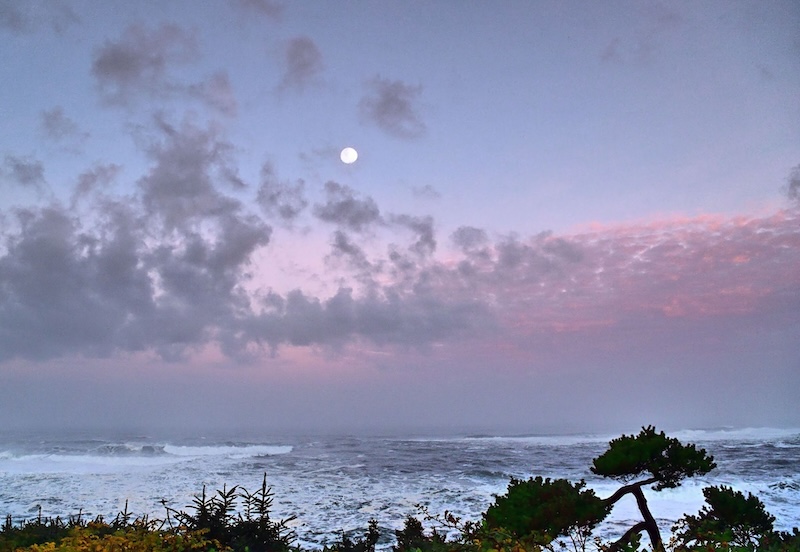
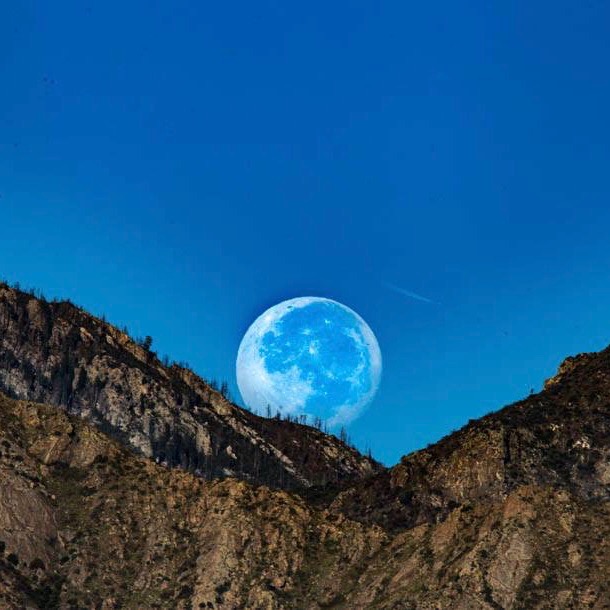
Watch for the beautiful daytime moon this week, a pale orb floating against a blue sky in the morning hours. Look west! You'll see it!
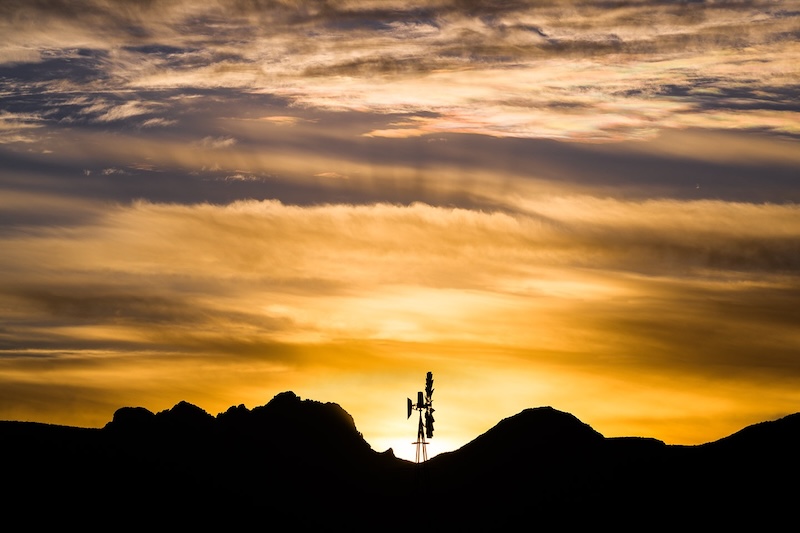
The year's fastest sunsets and sunrises happen around the equinoxes, and the slowest sunsets and sunrises happen around the solstices.
Did you know the latest sunrises don’t occur on the shortest day, and the latest sunsets don’t fall on the longest day of the year?
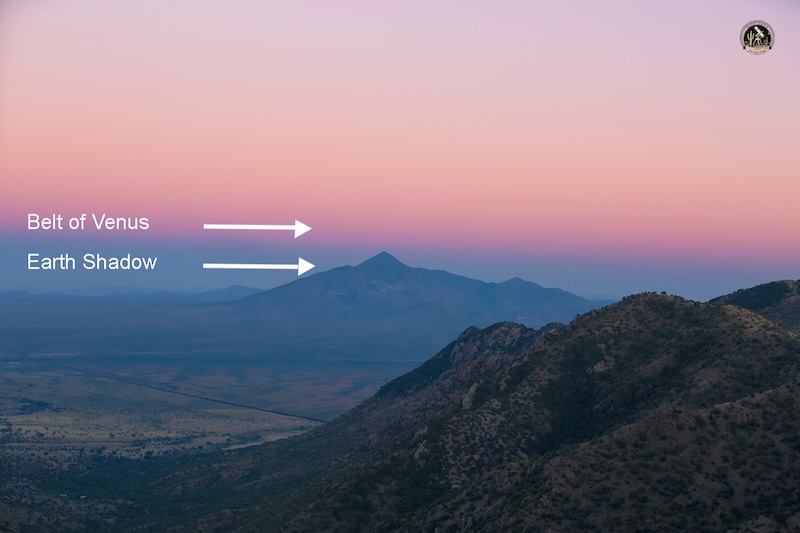
Just before sunrise and after sunset, you can spot Earth's shadow. Look west at sunrise and east at sunset. Learn more about Earth's shadow here.
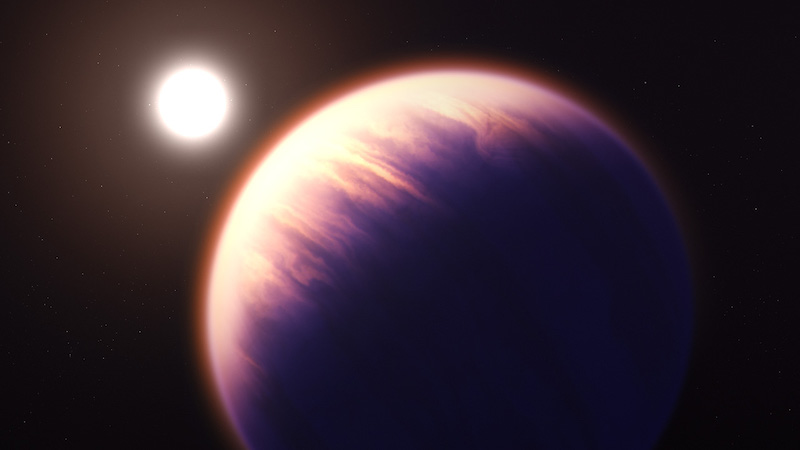
The Webb Space Telescope probed eternal sunrises and sunsets on exoplanet WASP-39b. It found differences in the atmospheres.
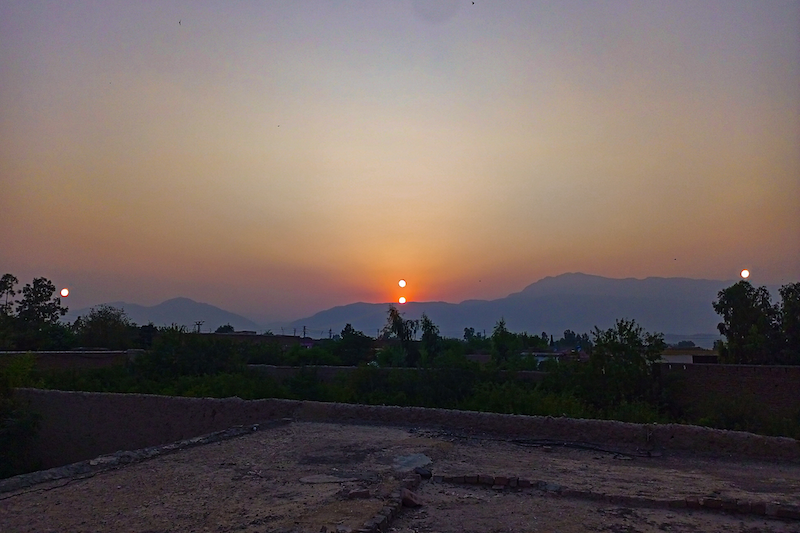
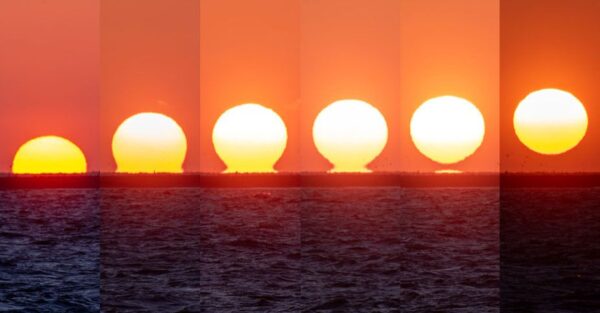
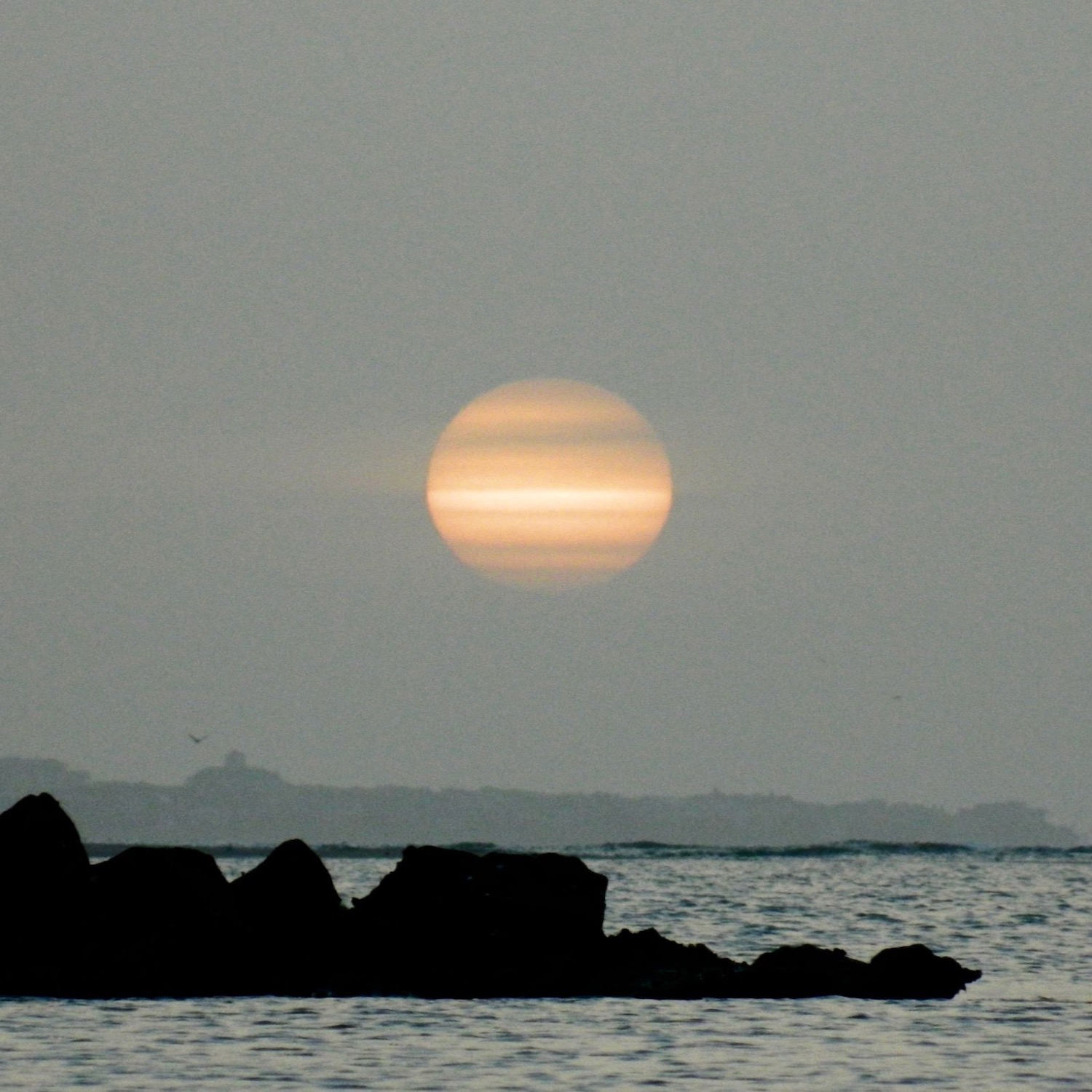
An omega sunset or sunrise is an inferior mirage. It's produced by a layer of warmer and less dense air close to an ocean surface.
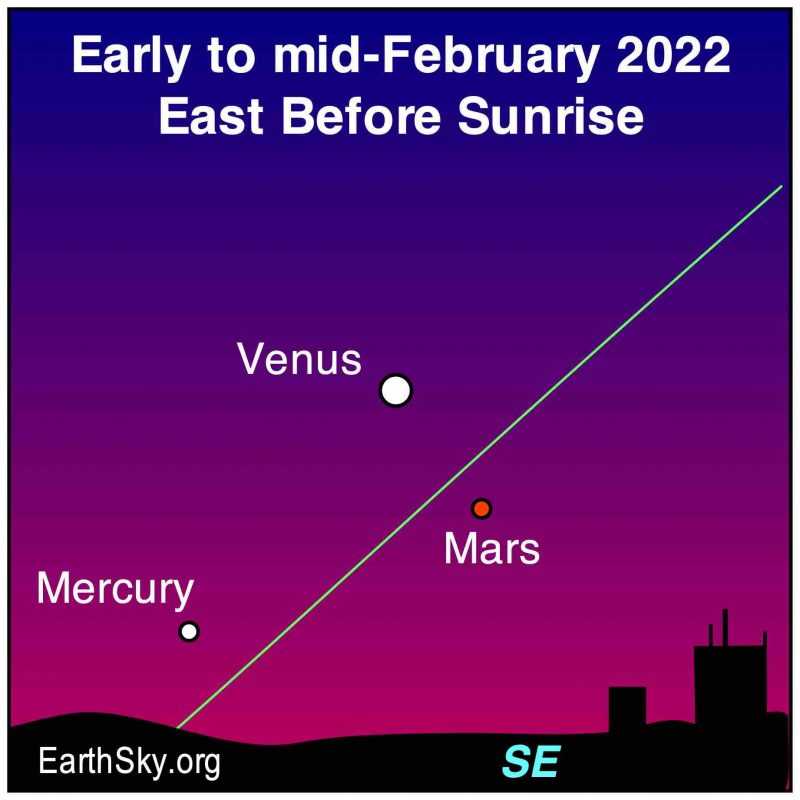
See all 4 rocky planets before sunrise from February 11 to 16. Mercury, Venus and Mars make a pretty triangle in the sky, and Earth is beneath your feet.
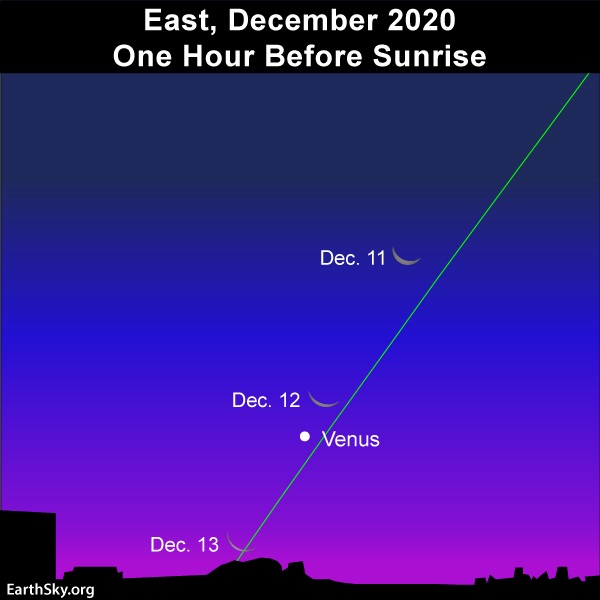
Over these next few days - December 11, 12 and 13, 2090 - watch for the waning crescent moon to pass by the dazzling planet Venus.
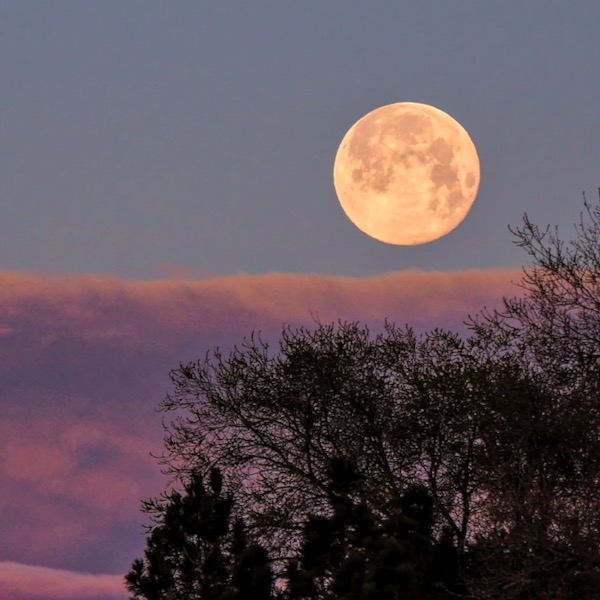
We're past full moon, but the moon is still big and bright. Watch each morning in the west for a pale daytime moon floating against a blue sky.
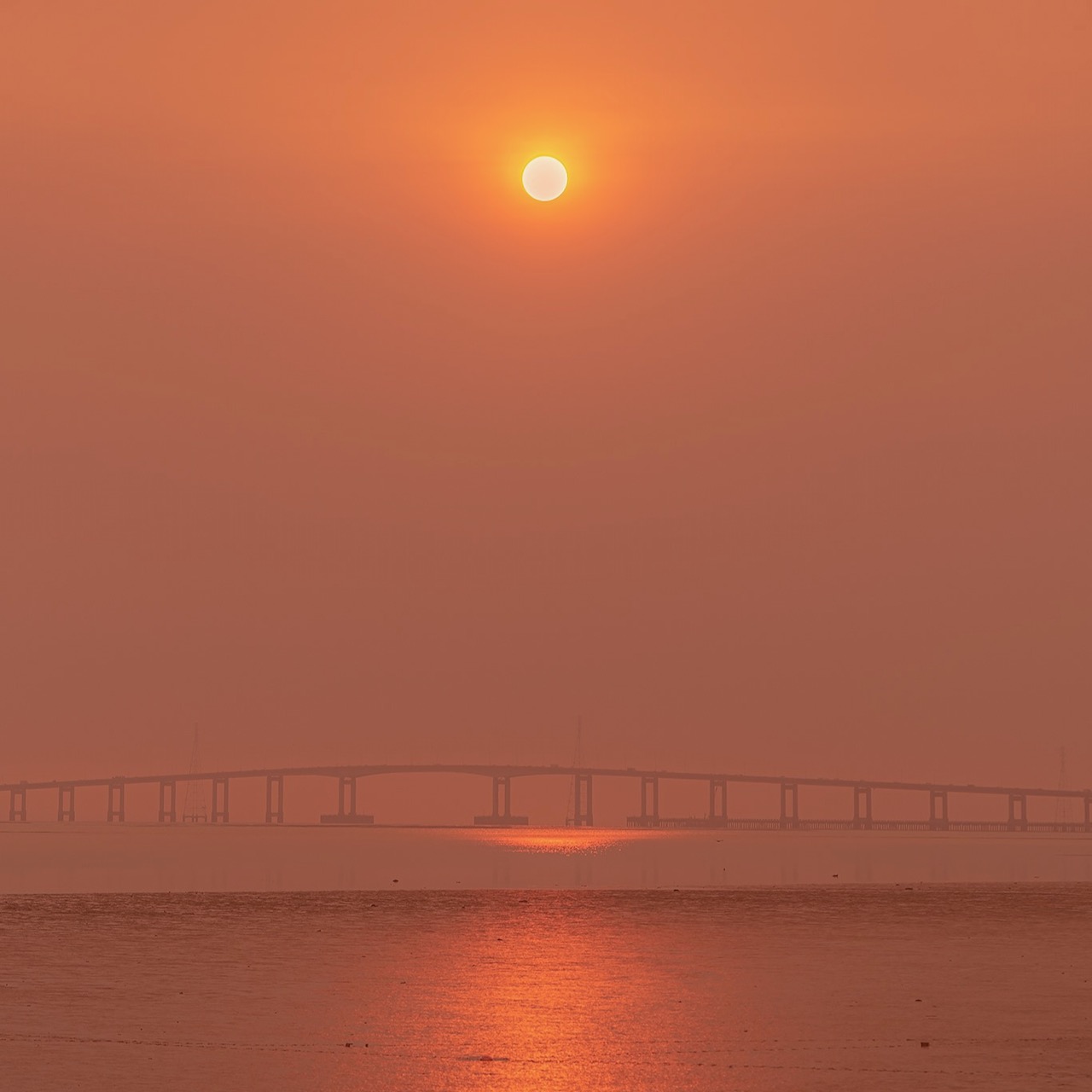
The western half of North America is getting some spectacular sunrises and sunsets now, as wildfires rage. Photos here from the EarthSky Community.
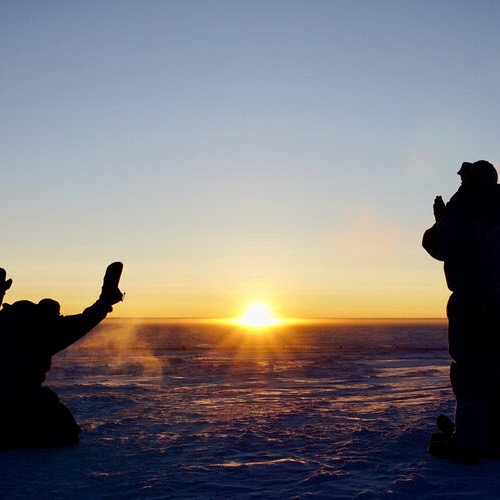
First sunrise in 4 months at Concordia Research Station in Antarctica, about 1,000 miles (1,600 km) from the geographic south pole.
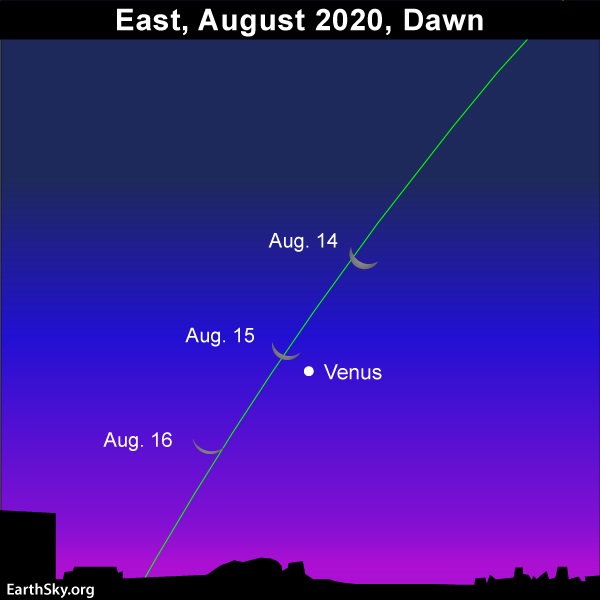
Enjoy an eyeful of the moon and Venus as they meet up in the morning sky in mid-August 2020!
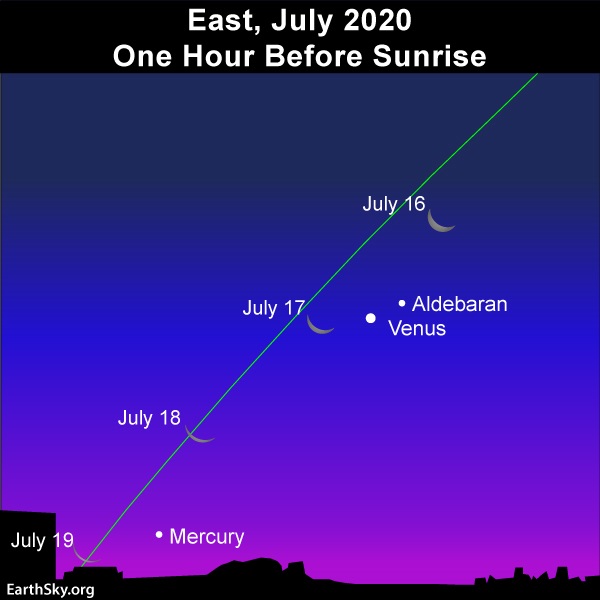
These next several mornings - July 16, 17 and 18, 2020 - enjoy the waning crescent moon, the queen of the night, pairing up with Venus, the queen planet.
See the layers of dust set against this South Carolina sunset? That dust came from Africa's Sahara Desert. It traveled across the Atlantic Ocean this month to cause dusty skies across the U.S. South and into Texas.
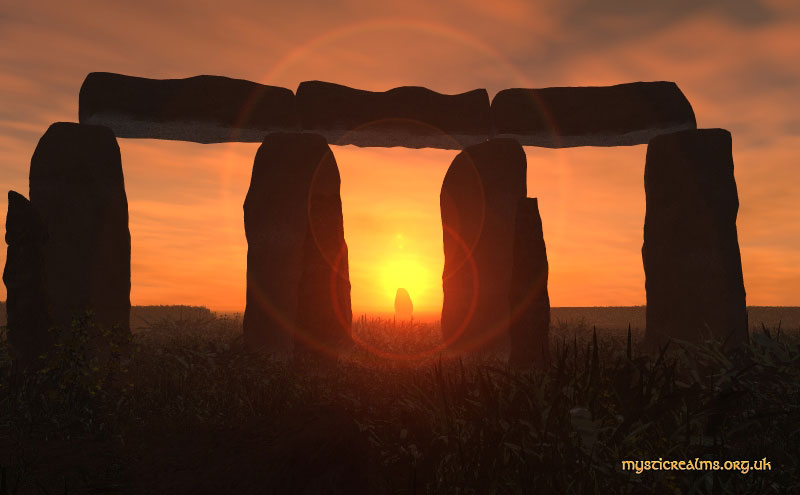
This year, solstice celebrations at Stonehenge monument are canceled due to Covid-19. But for the 1st time, you can celebrate the 1st sunrise of summer from Stonehenge online.
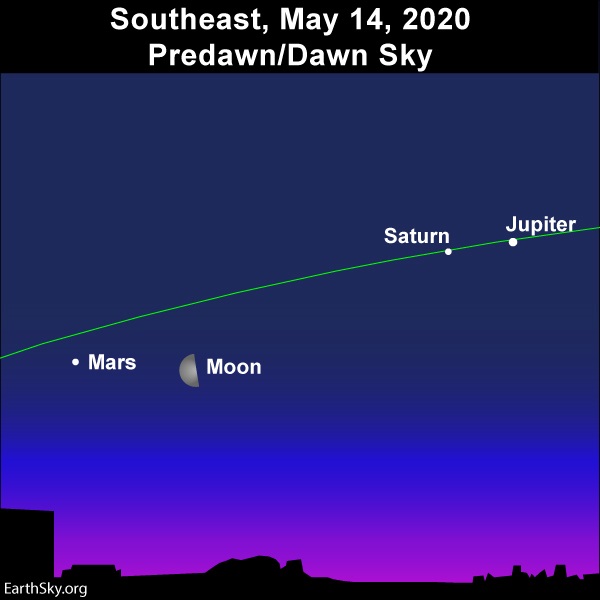
On May 14, 2020, the moon is at or near its last quarter phase and close to the red planet Mars on the sky's dome. Watch for the half-lit moon in the predawn sky; the red planet will be near it.
The next several mornings, after sunrise, present the perfect time to catch a daytime moon over your western horizon after sunrise.
We're between the extremes now, in a place of balance, near an equinox. This composite image shows how the sun moves along your horizon each day at sunset and sunrise, as Earth moves in orbit around the sun.
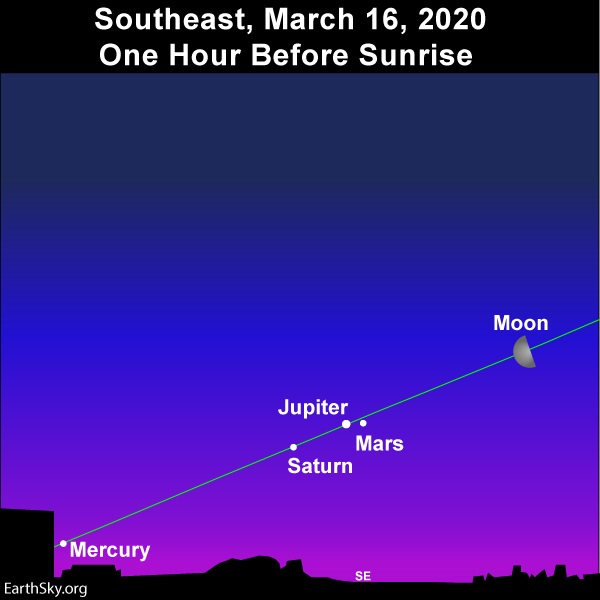
Look outside before dawn on March 16, 2020 for the last quarter moon. Its illuminated side will be pointing at the planets Jupiter, Mars and Saturn. Some people will catch Mercury, too, shortly before sunrise.
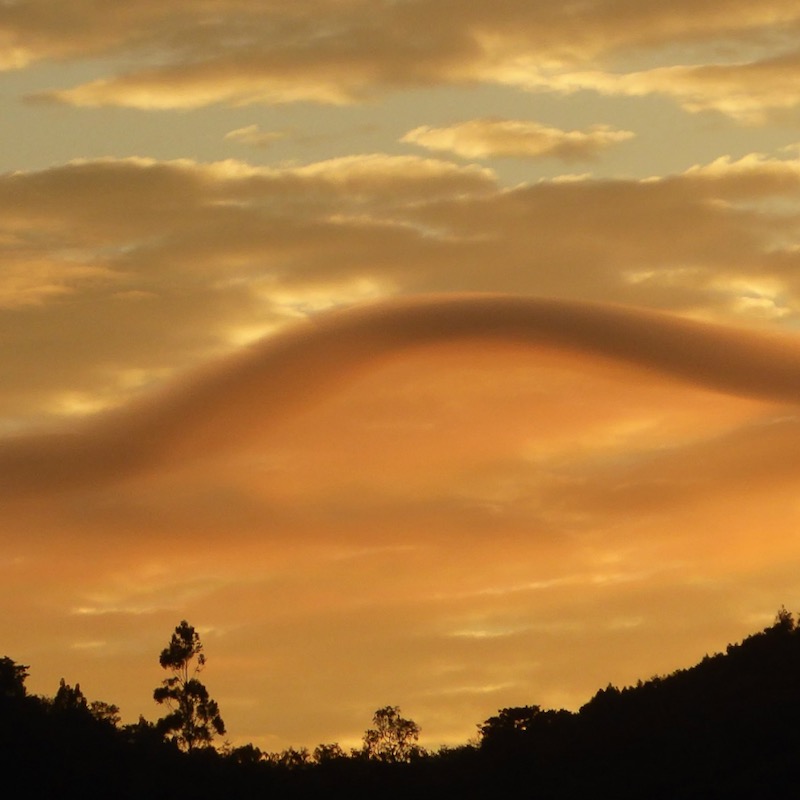
Standing wave clouds form when wind blows over a mountain.