A daily update by email. Science news, great photos, sky alerts.
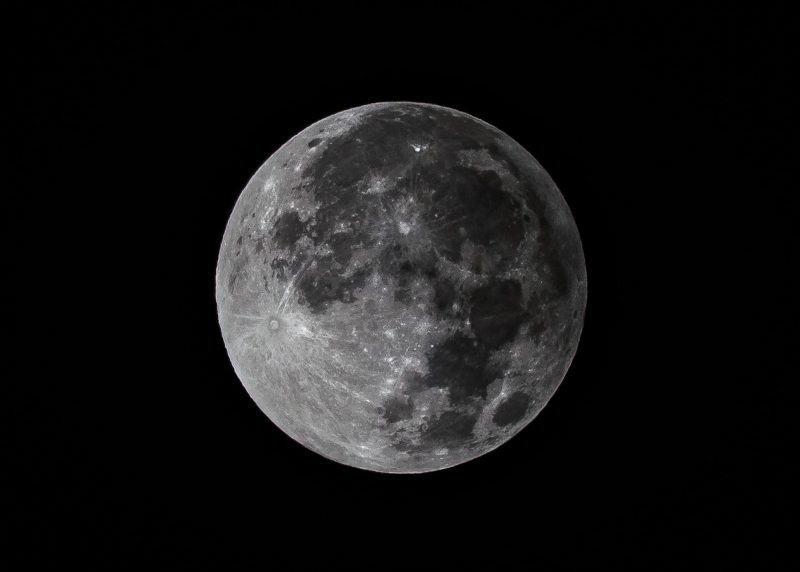
Monday's eclipse marks the beginning of a special eclipse series known as a tetrad - four total lunar eclipses in a row, with no partial eclipses in between. The next one is October 8.
A total lunar eclipse lit up the sky this morning. See the stunning Blood Moon in all its glory in this photos from EarthSky's global community!
Overnight on March 2-3, 2026, there will be a total lunar eclipse of the full Blood Moon. Where will it be visible? See animations, charts and details here.
A total lunar eclipse is coming up overnight on March 2-3, 2026. Here are some tips for watching and enjoying the total lunar eclipse.
Coming up ... the total lunar eclipse of March 2-3, 2026. At maximum eclipse, the moon will look red. But why? Earth's atmosphere is the key.
One of the many noticeable cycles in the heavens is an eclipse season. The 1st eclipse season of 2026 starts with an annular solar eclipse on February 17.
If the moon orbited Earth on the same plane that Earth circles the sun, we'd have an eclipse at every full and new moon. Here's why we don't.
It's rare to have 7 eclipses in a calendar year. It's less rare to have 7 eclipses in 365 days. There are 7 eclipses in 365 days 29 times in the 21st century!
We last had three eclipses in one lunar month in 2020. It'll next happen in the year 2029. From 2000-2050, there are 3 eclipses in one lunar month 14 times.
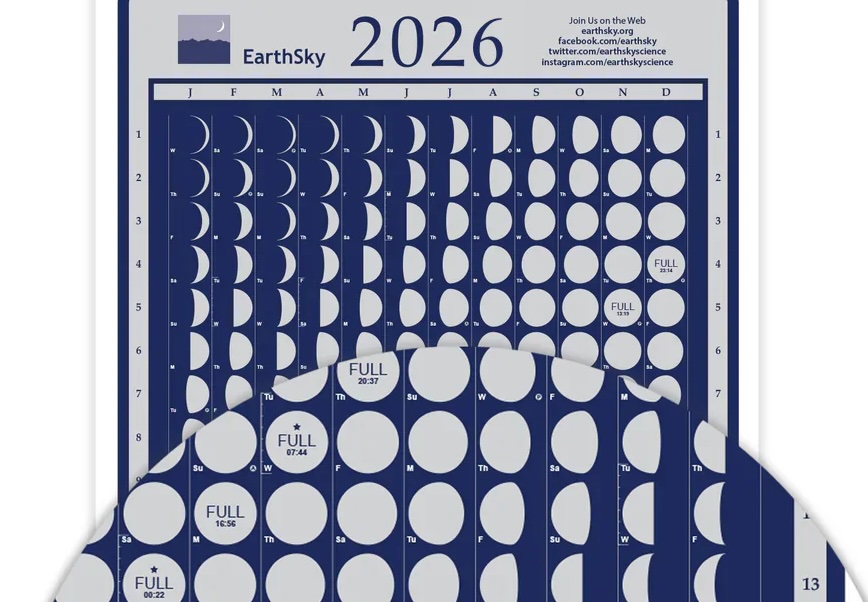
Follow the moon! Here’s why you need an EarthSky lunar calendar, the top tips for using it and where you can order one.
Overnight on September 7, 2025, there will be a total lunar eclipse of the September full Corn Moon visible from the Eastern Hemisphere.
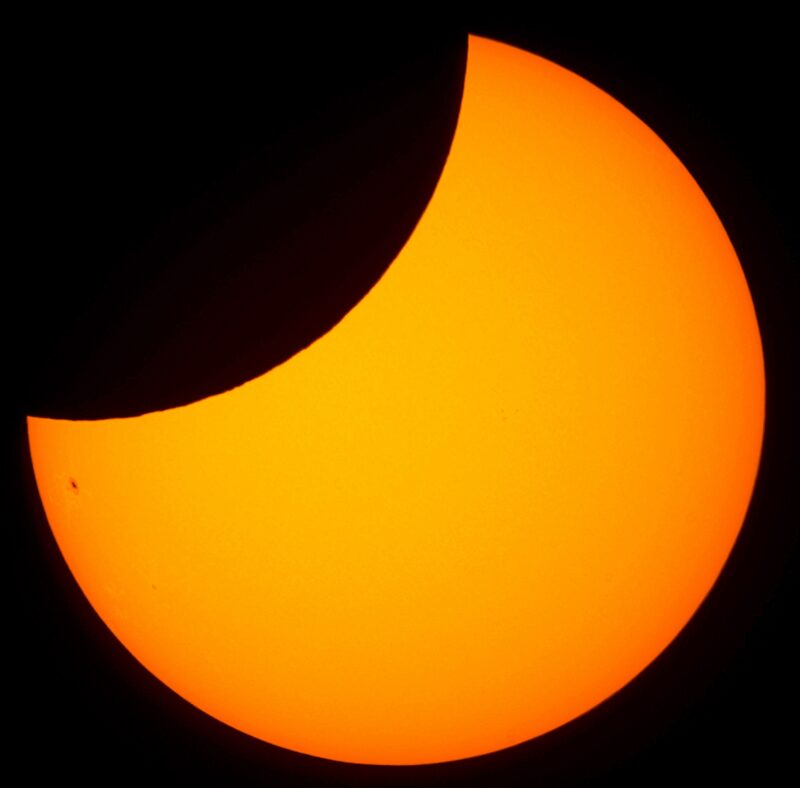
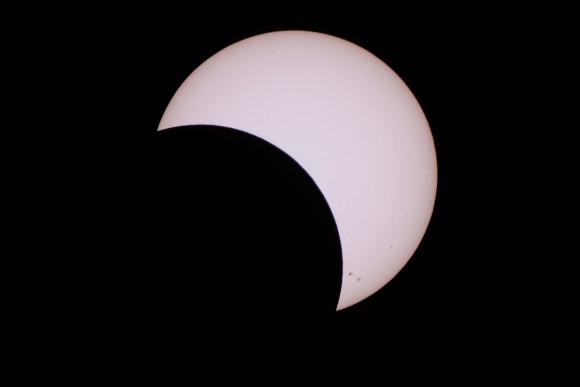
See some beautiful partial solar eclipse pics from March 29, 2025, thanks to our global EarthSky community! Did you take a pic? Submit it to us!
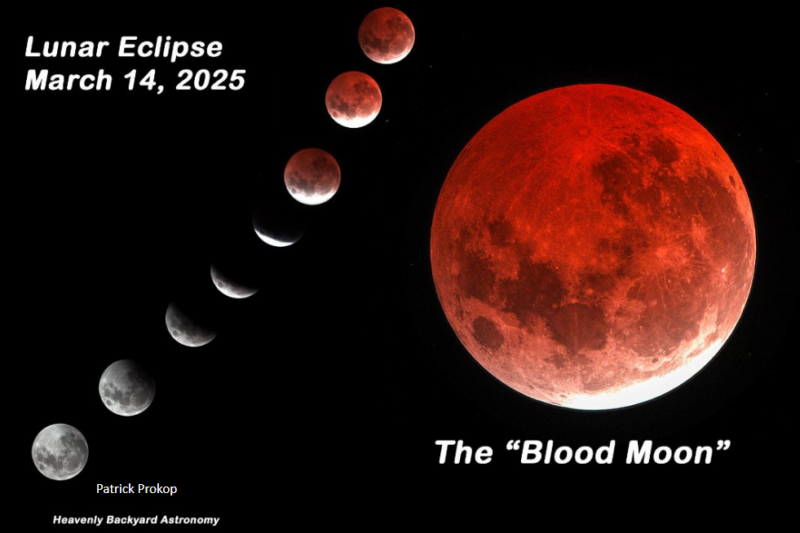
Overnight on March 13-14, 2025, there will be a total lunar eclipse of the March Full Worm Moon visible from the Western Hemisphere.
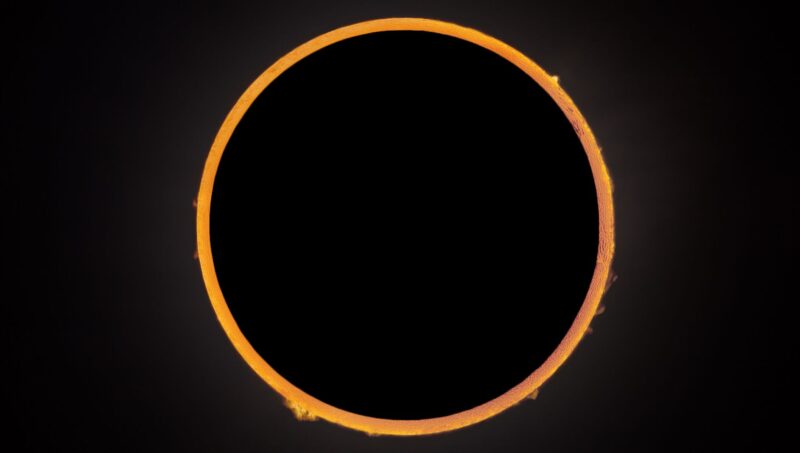
Today, an annular solar eclipse will cross over parts of South America, the Pacific Ocean, the Atlantic Ocean, and Antarctica. Watch a livestream here.
The April 8, 2024, total solar eclipse crossed Mexico, the U.S. and Canada! Relive it by watching a replay of EarthSky's livestream here.
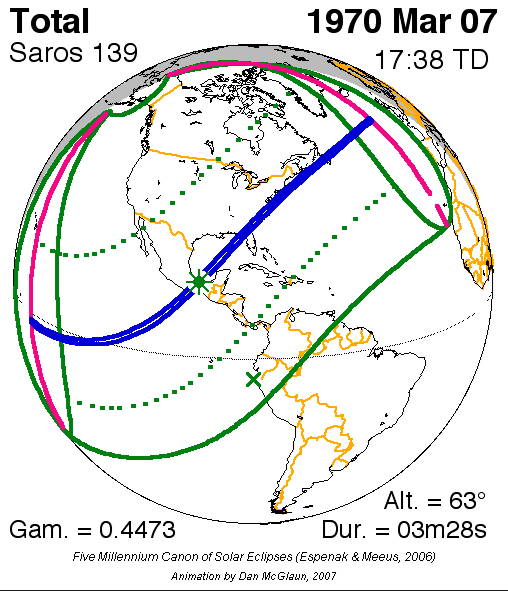
Enjoy the April 8 eclipse as you witness the 30th of 71 member eclipses in the illustrious procession known as Saros 139. Learn more here.
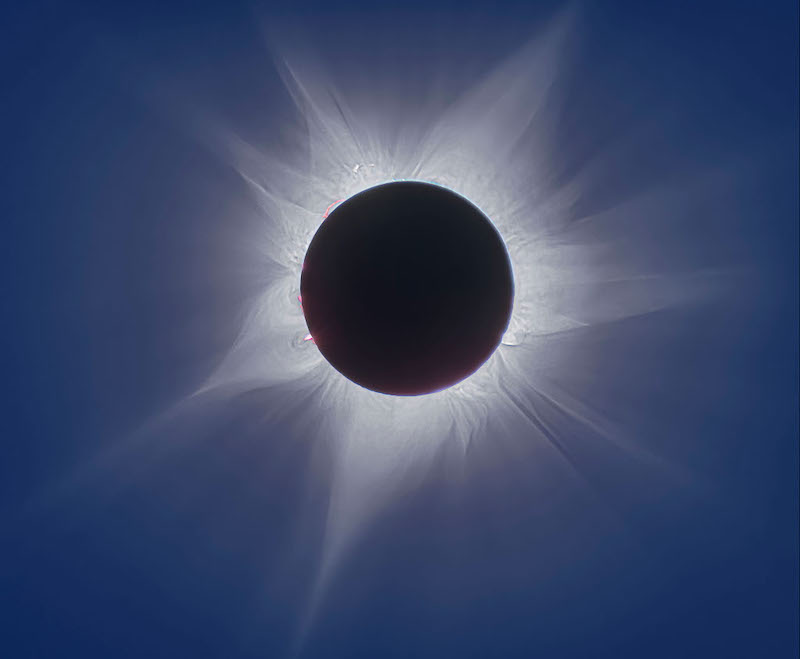
Throughout history, total solar eclipses have blazed a path for science. Learn more about 5 solar eclipses that changed our view of the world.
There are 3 kinds of lunar eclipses: total, partial and penumbral. A penumbral eclipse is very subtle. You can notice a shading on the moon's face.
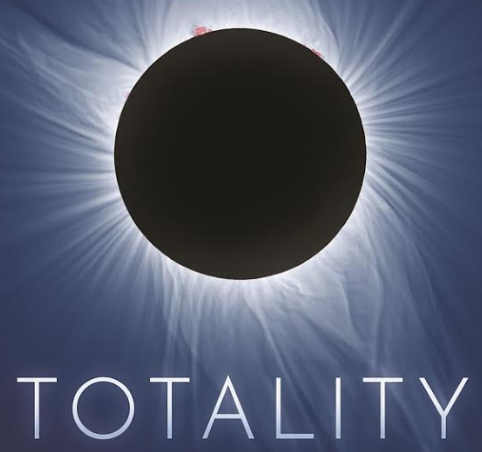
Read a book review of "Totality: The Great North American Eclipse of 2024" by Mark Littmann and Fred Espenak. Reviewed by Bruce McClure.
The Northern Hemisphere's Hunter's Moon for 2023 was last night. It was near Jupiter. And some parts of the world saw an eclipse. Hunter's Moon eclipse photos here!
EarthSky Newsletter
Nearly half a million daily subscribers love our newsletter. What are you waiting for? Sign up today!
Join now to receive free daily science news delivered straight to your email.