



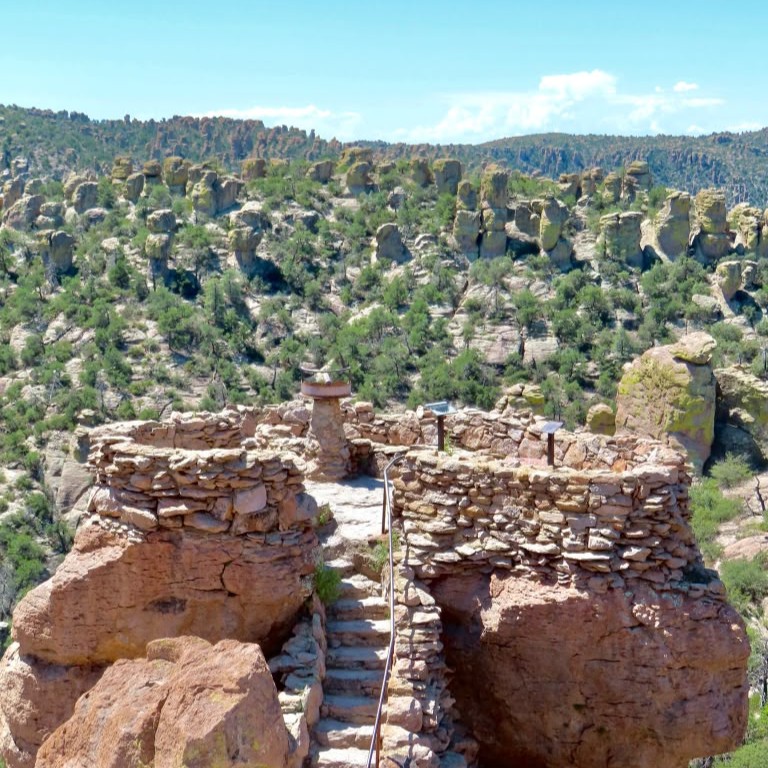
 A viewing platform at Massai Point in Chiricahua National Monument. Will it become the 64th national park in the U.S.? Image via Lucy Whitt. Used with permission.
Arizona’s Chiricahua poised to become 64th US National Park
A quiet national monument tucked into southeastern Arizona is poised to become North America’s newest national park. Chiricahua National Monument — which towers with rock formations and is home to animals such as the coatimundi — could soon become the 64th national park in the United States. Chiricahua National Park would join the three other national parks in Arizona: Petrified Forest, Saguaro and the Grand Canyon.
On September 30, 2026, the U.S. Congress passed legislation to redesignate the monument as a national park. Now the bill just awaits the U.S. president’s signature.
The legislation keeps the existing boundaries of the park. It also doesn’t change the federal ownership and management of the park. What it will do is draw many more visitors to the area, which can be both a benefit and a drawback, especially in this time of cuts to the National Park Service’s budget.
Chiricahua is a wonderland of rocks
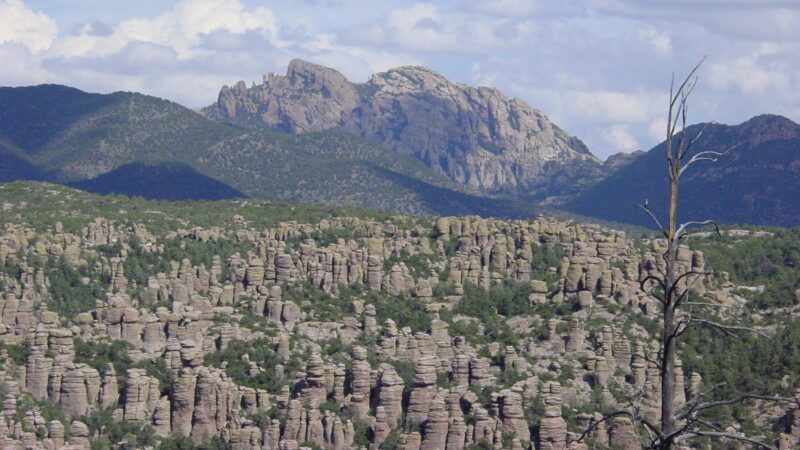
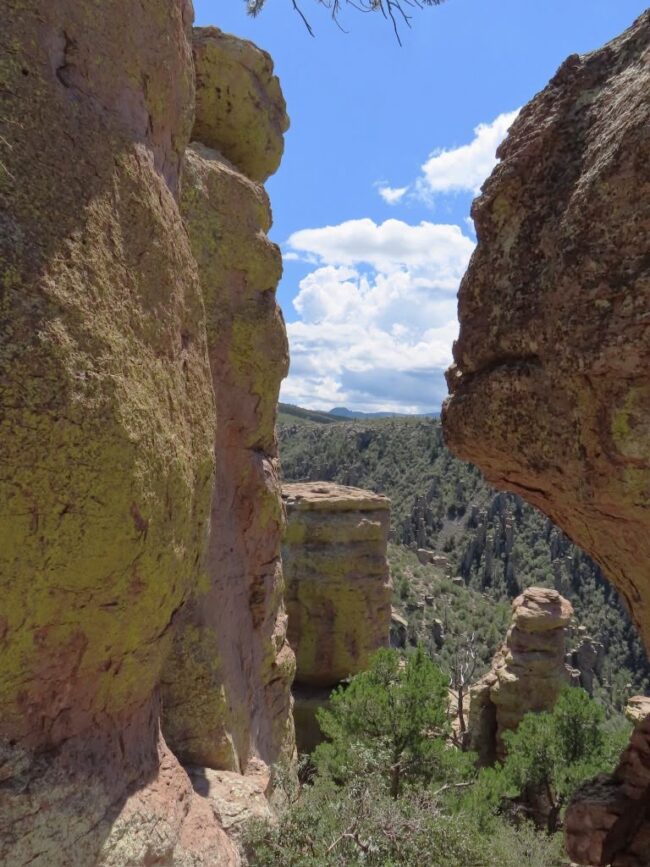
Chiricahua, sitting in the Chiricahua Mountains, is famous for its bizarre collection of rock formations. The National Park Service describes the landscape as a collection of rhyolite pinnacles and balanced rocks. Ancient volcanic eruptions some 27 million years ago led to what we see today as a wonderland of rocks.
The eruptions layered ash and molten rock that compacted into what geologists call rhyolite tuff. Eventually water and wind erosion wore down the softer parts of the rock. What remains are the stacked pinnacles and hoodoos we see today.
An International Dark Sky Park
Chiricahua National Monument is already designated an International Dark Sky Park. These parks conserve the night sky and are excellent for stargazing. And Arizona’s desert environment is already well-known for its night skies. It’s the home of many astronomy observatories.
Chiricahua is open 24 hours a day. The National Park Service suggests stargazing from locations such as Massai Point and Echo Canyon Trailhead. And, of course, campgrounds are another great spot. Just throw your sleeping bag under the stars!
What lives in these lands?
Chiricahua is home to a wide variety of animal life. Just a few of the many animals you might see here include black bears, white-tailed deer, rattlesnakes and the tiger salamander. Plus, some 200 species of birds have been documented here.
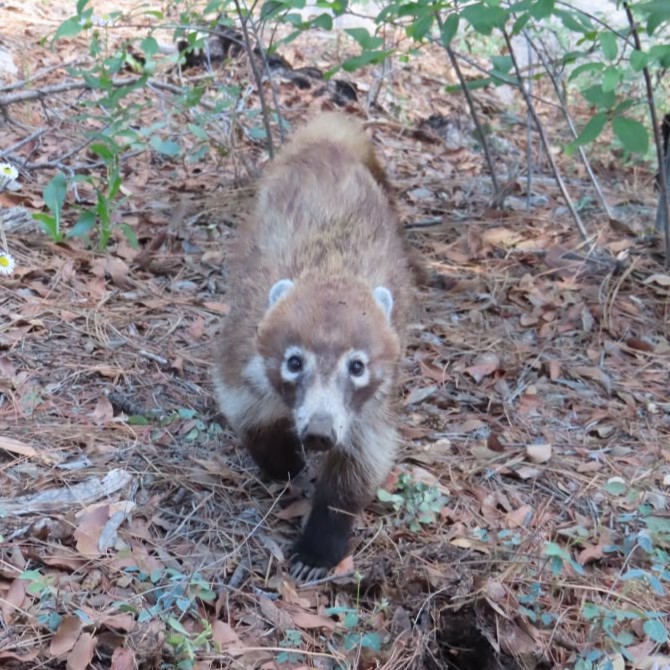
But one of the big draws for animal watchers in the park are the coatimundi. These long-tailed members of the raccoon family are more common in South America, but you can also find them here in the Chiricahua Mountains. Because coati are active during daylight hours and social animals, you have a good chance to see them playing together in the park.
Concerns with national park status
There are some concerns with changing the national monument to a national park. About 70,400 visitors came to Chiricahua in 2025. And it probably isn’t prepared for the increase in visitation once it receives national park status.
There is only one campground in Chiricahua, with 26 sites. There is no lodge. More tourism will mean more pressure on roads, trails, wildlife habitat, water resources and park staff. But more tourism could also be a boon to surrounding communities. And more visitors means more people will realize the value of this land and wish to protect it.
As always, the designation of land to a national park can have both benefits and drawbacks.
Have you visited Chiricahua National Monument? Let us know in the comments.
Bottom line: Chiricahua National Monument in the southeastern corner of Arizona is poised to become the U.S.’s 64th national park.
Like what you read?
Subscribe and receive daily news delivered to your inbox.
More from
Kelly Kizer Whitt


Visible planets and night sky guide for October

Another satellite breakup raises concerns about space junk
Smile mission releases its stunning 1st aurora footage!
Hera mission hits the brakes to arrive at asteroid



