Emily Lakdawalla at the Planetary Society posted some of the best images we’ve seen so from China’s Chang’e moon lander yesterday (January 10, 2014). Lakdawalla wrote:
Almost all of the images I’ve seen to date have been shared through a bizarre roundabout method of projecting them on a screen, then filming them with a video camera, then aired on television, and then screen-grabbed. These photos are different: they are clearly direct from the original digital data. They’re still not perfect — they have been downsampled, contrast-enhanced, watermarked, and JPEG-compressed — but they’re so, so much better than what I’ve seen before, rich with detail and nuanced in color.
A few of the images are below. To see them all, visit Emily Lakdawalla’s January 10 post.
By the way, Chinese media is reporting today (January 11) that the Chinese lunar rover Yutu has successfully reawakened after a potentially dangerous two-week hibernation to ride out the darkness of the lunar night. Click here to read more about Yutu’s hibernation and awakening. Thank you, Twitter user Daniel Fischer (@cosmos4u)
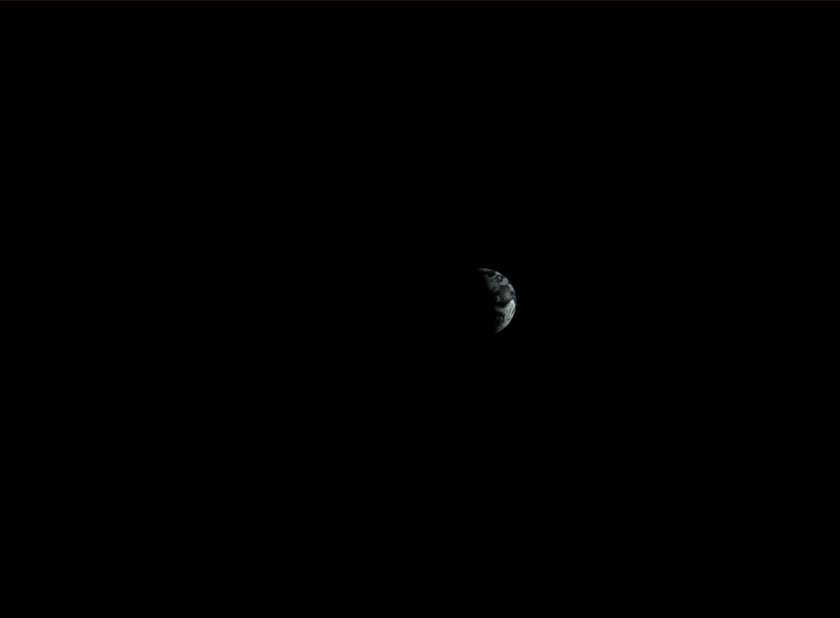
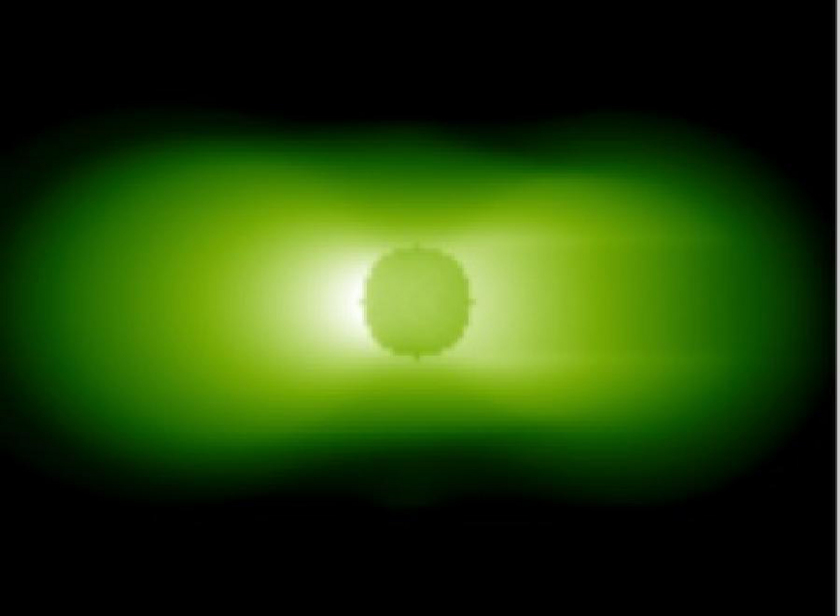

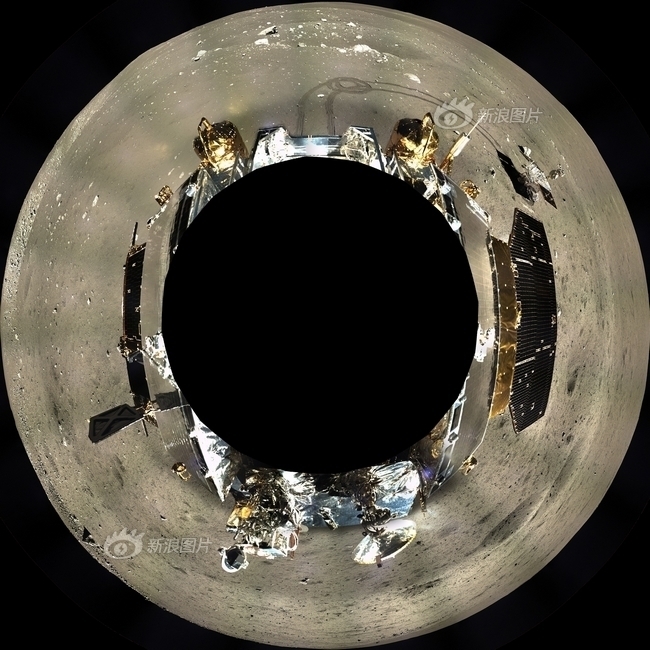

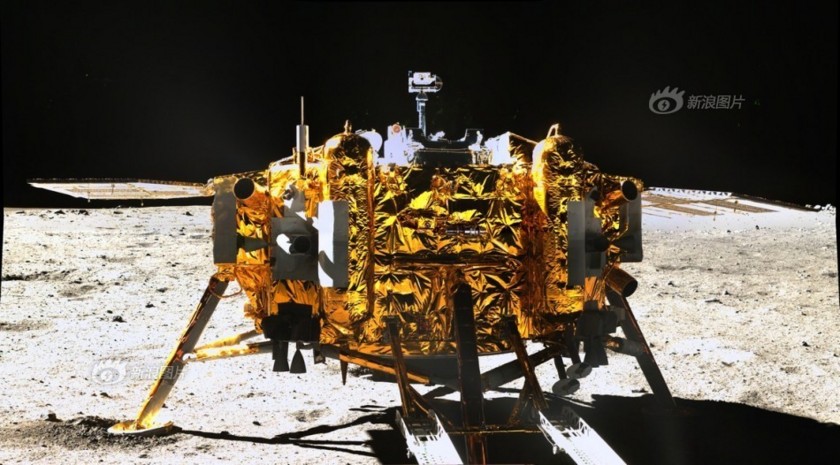
Bottom line: Best images so far from China’s moon mission, which set down in the moon’s Bay of Rainbows on December 14, 2013 at about 9:12 p.m. Beijing time. China’s moon landing made it only the third country in the world to land on the moon, after the U.S. and former Soviet Union. The lander delivered a robotic rover called Yutu (“Jade Rabbit”) to the moon’s surface. The plan is for the rover to spend some months exploring on the moon’s surface.
Video: Touchdown of China’s moon mission on December 14, 2013
Like what you read?
Subscribe and receive daily news delivered to your inbox.
More from
Deborah Byrd


Blue Origin mega-rocket explodes on launch pad

Arcturus, brightest star of the northern sky