



A study at Johns Hopkins using functional magnetic resonance imaging (fMRI) to track the brain activity of jazz musicians in the act of “trading fours” showed robust activation of brain areas associated with spoken language and syntax. These parts of the brain are used to interpret the structure of phrases and sentences. At the same time, the act of “trading fours” shut down brain areas in the musicians linked to semantics, that is, the parts of the brain that process the meaning of spoken language.
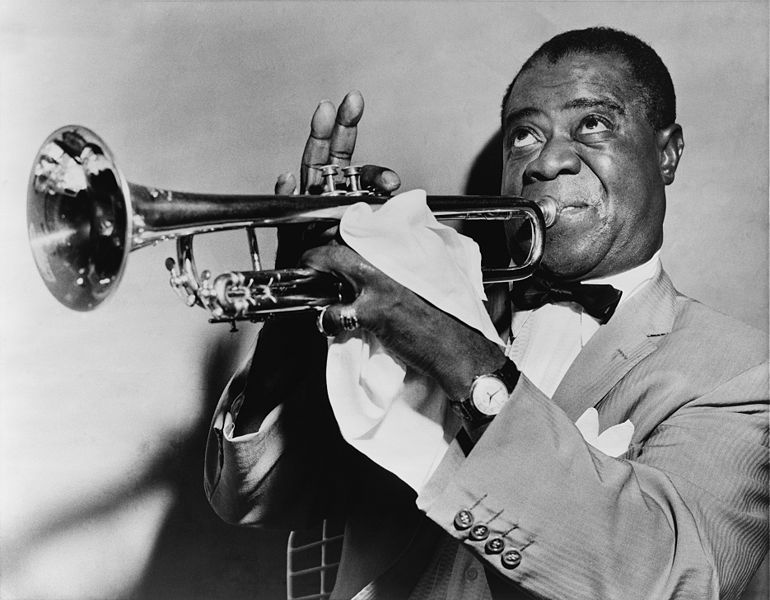
“Trading fours” is a process in which musicians participate in spontaneous back and forth instrumental exchanges, usually four bars in duration. The musicians introduce new melodies in response to each other’s musical ideas, elaborating and modifying them over the course of a performance.
The results of the study suggest that the brain regions that process syntax aren’t limited to spoken language, according to Charles Limb, M.D., an associate professor in the Department of Otolaryngology-Head and Neck Surgery at the Johns Hopkins University School of Medicine.
Rather, he says, the brain uses the syntactic areas to process communication in general, whether through language or through music.
Read more about the science of the musical brain from Johns Hopkins University School of Medicine
Like what you read?
Subscribe and receive daily news delivered to your inbox.
More from
Deborah Byrd


Here’s how to see the Lunar X and V at 1st-quarter moon

Summer solstice in Mars’ southern hemisphere is April 25
Happy Earth Day! Why do we celebrate it on April 22?
Universe’s expansion rate: ‘Something doesn’t add up’



