May Day is May 1
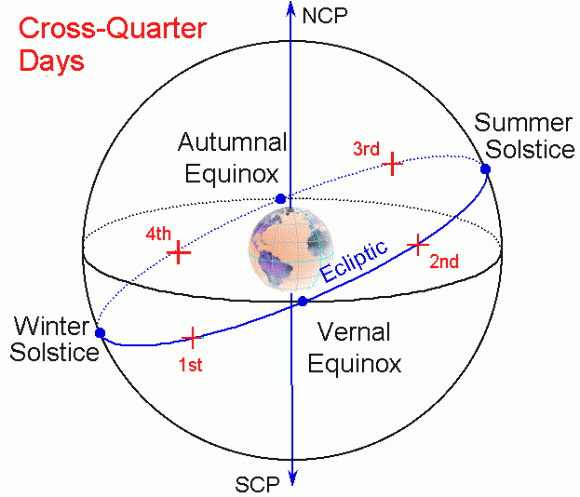
You might not realize it, but May Day – an ancient spring festival in the Northern Hemisphere – is an astronomy holiday. It’s one of the year’s four cross-quarter days. That is, it’s a day that falls more or less midway between an equinox and solstice. In this case, it’s between the March equinox and June solstice.
The other cross-quarter days are Groundhog Day on February 2, Lammas on August 1 and Halloween on October 31.
In addition, May Day also stems from the Celtic festival of Beltane. It was related to the waxing power of the sun as we in the Northern Hemisphere move closer to summer. At Beltane, people drove livestock through lit fires and people danced around them. They were all moving in the same direction that the sun crosses the sky.
In Hawaii, May Day is Lei Day, a statewide celebration of the aloha spirit and the giving of the flower lei.
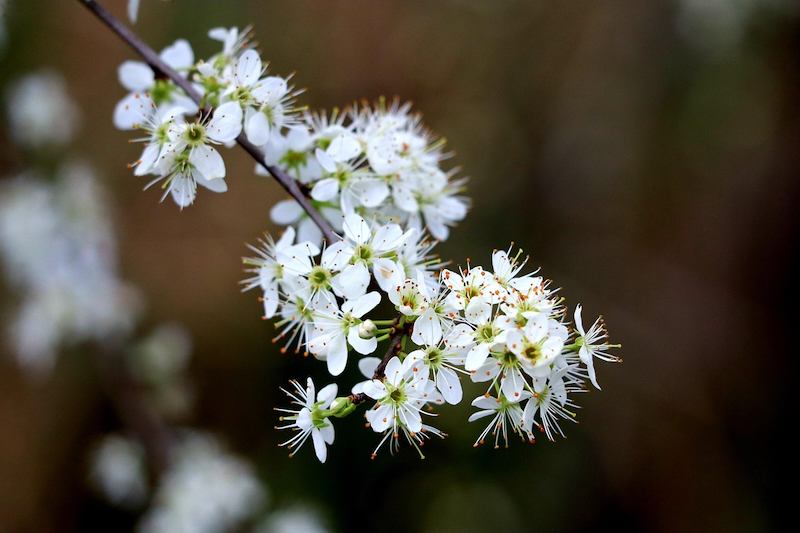
May baskets can brighten someone’s day
We’re not too far away from a time in the late 20th century when people left homemade May baskets filled with spring flowers and sweets on others’ doorsteps, usually anonymously. And I can remember doing this as a child. So maybe it’s a tradition that can be revived.
Here’s a DYI: How to make a May Day basket
May Day and maypoles
Of course, wrapping a maypole with colorful ribbons is perhaps the best known of all May Day traditions. In the Middle Ages, English villages all had maypoles. Indeed, they were part of the rejoicing and raucous merrymaking of May Day.
Maypoles came in many sizes. And there was competition among the villages to show whose maypole was the tallest. In small towns, maypoles were usually set up for the day. But they were erected permanently in London and the larger towns.
Here’s a WikiHow on how to do a maypole dance


Bottom line: May 1 is one of four cross-quarter days, midway between an equinox and a solstice. So, happy May Day 2026!
Like what you read?
Subscribe and receive daily news delivered to your inbox.
More from
Deborah Byrd


Visible planets and night sky guide for October

Cassiopeia and Perseus on October evenings
Orionid meteor shower 2026: All you need to know
See brightest star, Sirius, in your morning sky