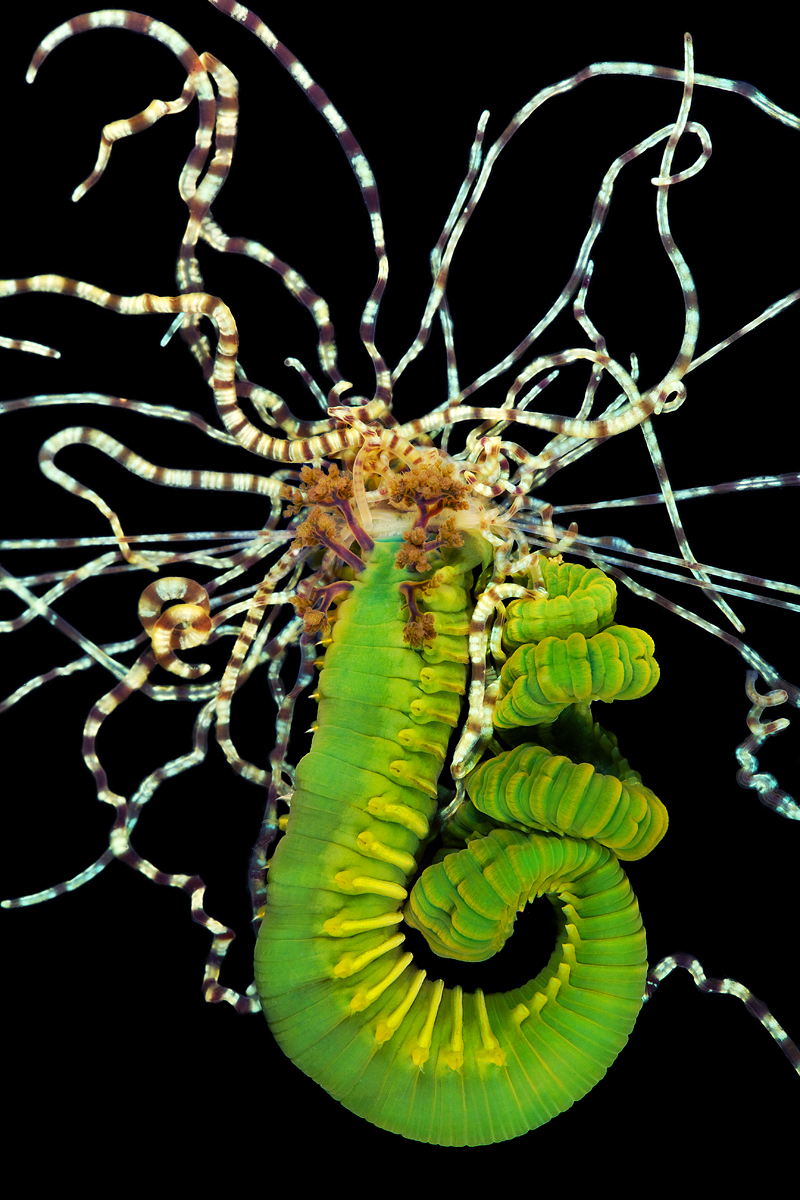
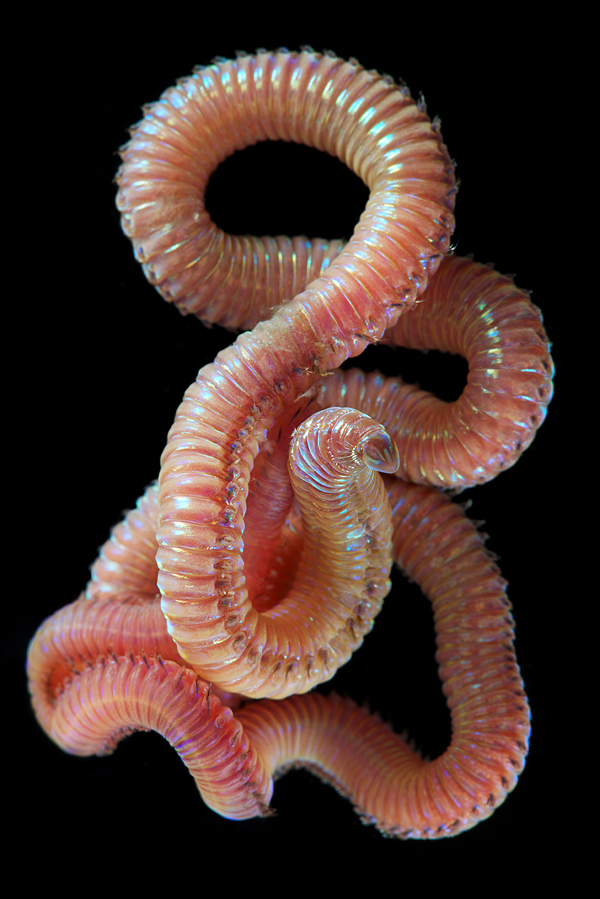
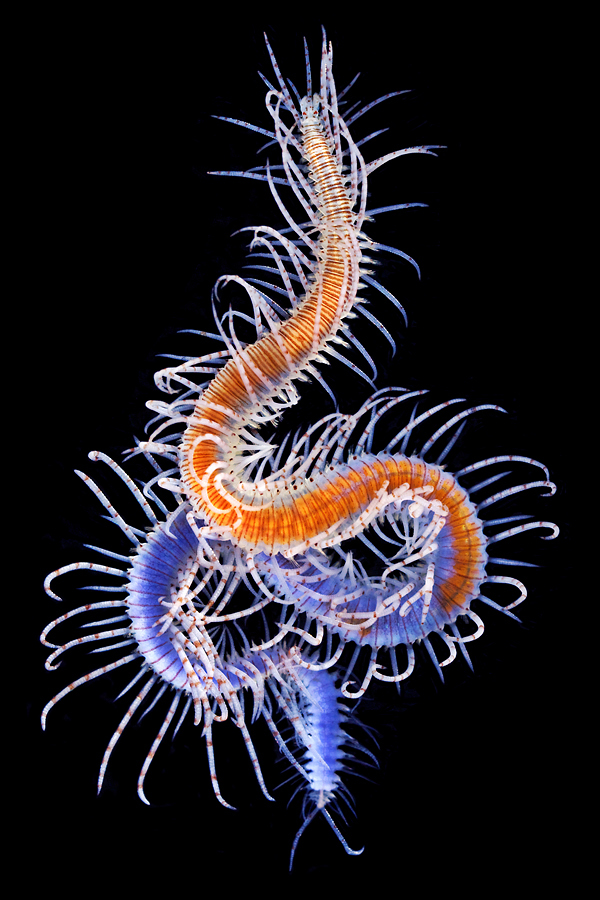
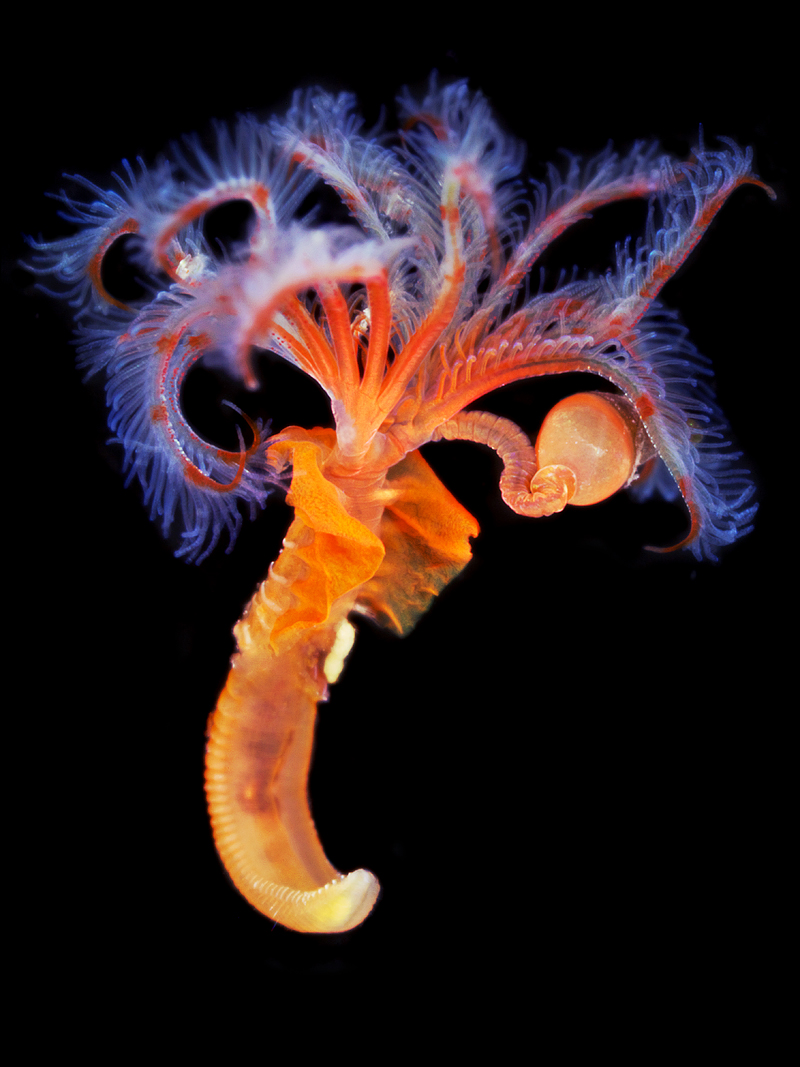
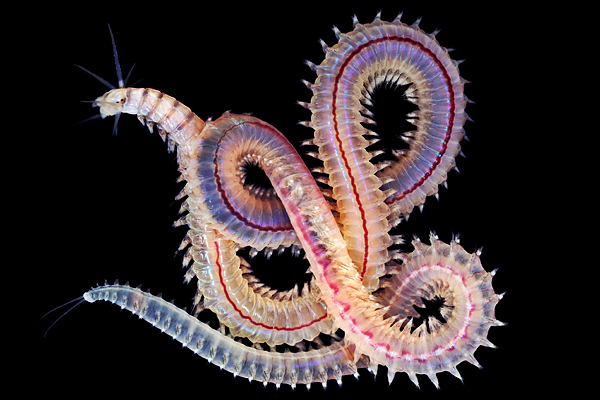
Alexander Semenov recently released some incredible new photos of marine worms, several of which may be completely unknown to science. He captured half of the photos at the Lizard Island Research Station near the Great Barrier Reef in Australia during a 2-week conference on marine worms. He photographed the rest at the White Sea Biological Station in northern Russia, where he is head of the scientific divers team. In all, Semenov photographed 222 different worm species which are now in the process of being studied and documented by scientists. Of these photos, Semenov writes:
Worms. Creatures from the dreams and nightmares are here. They are real and unbelievably beautiful.
Like what you read?
Subscribe and receive daily news delivered to your inbox.
Thank you! Your submission has been received!
Oops! Something went wrong while submitting the form.
More from
Deborah Byrd
View All


Visible planets and night sky guide for October

October 21, 2026
Orionid meteor shower 2026: All you need to know
October 20, 2026
See brightest star, Sirius, in your morning sky
October 20, 2026
Cassiopeia the Queen is overhead on autumn evenings
October 16, 2026