A daily update by email. Science news, great photos, sky alerts.
The April 2021 supermoon and the lunar nodal cycle, explained.
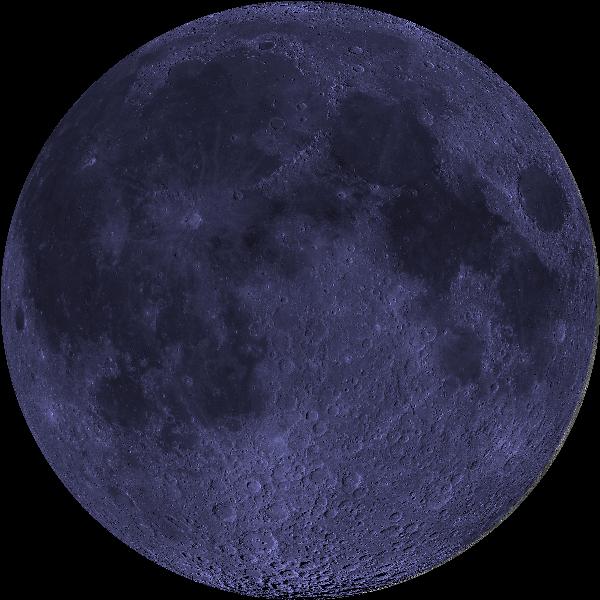
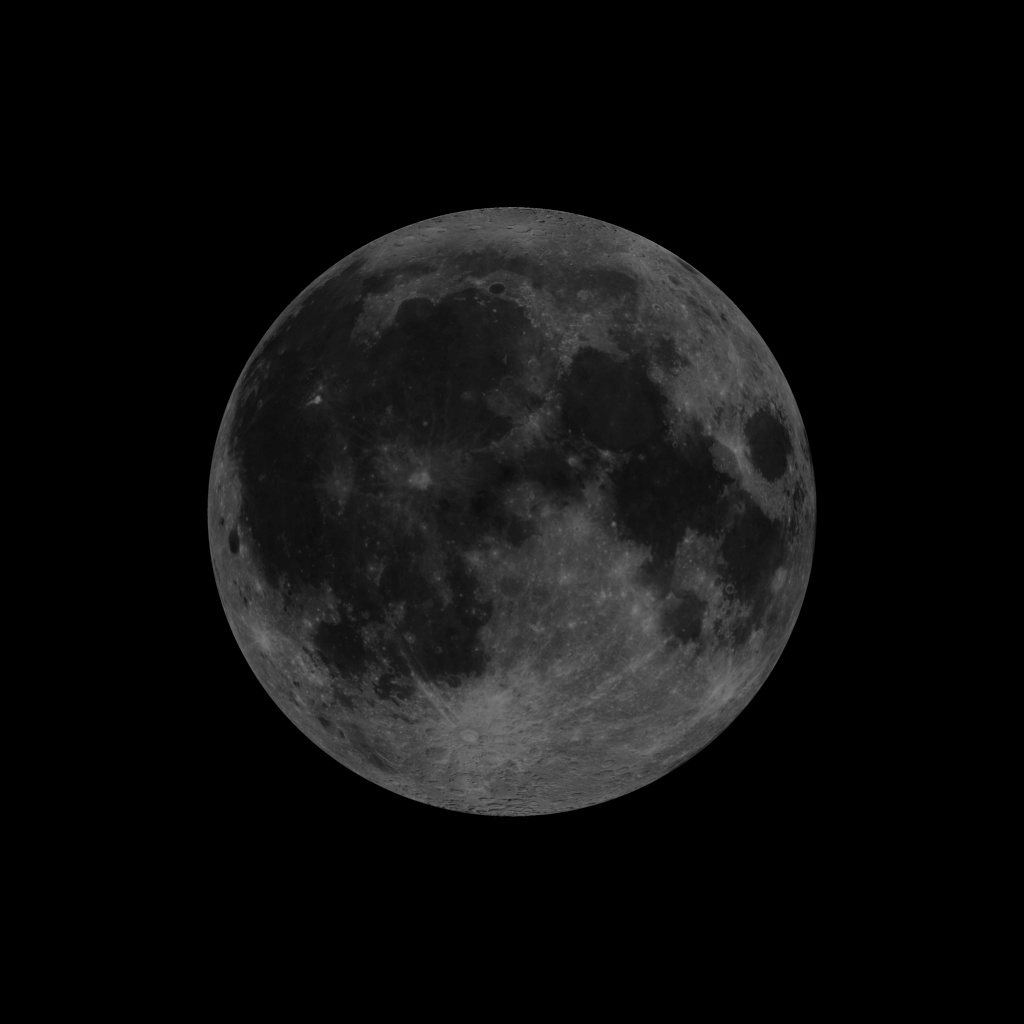
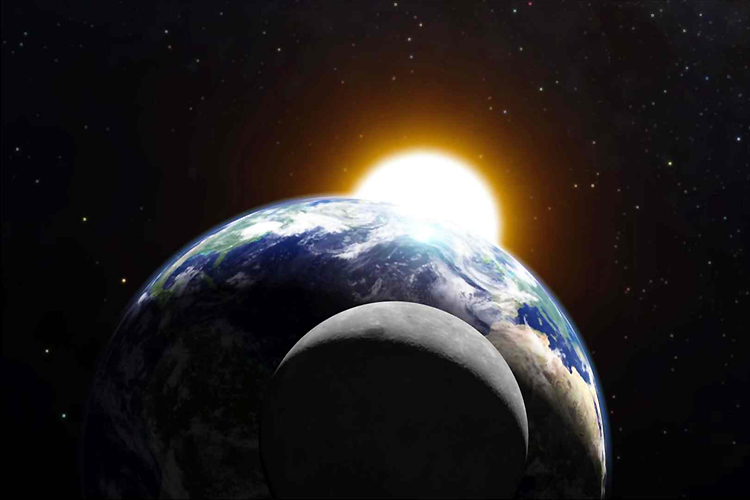
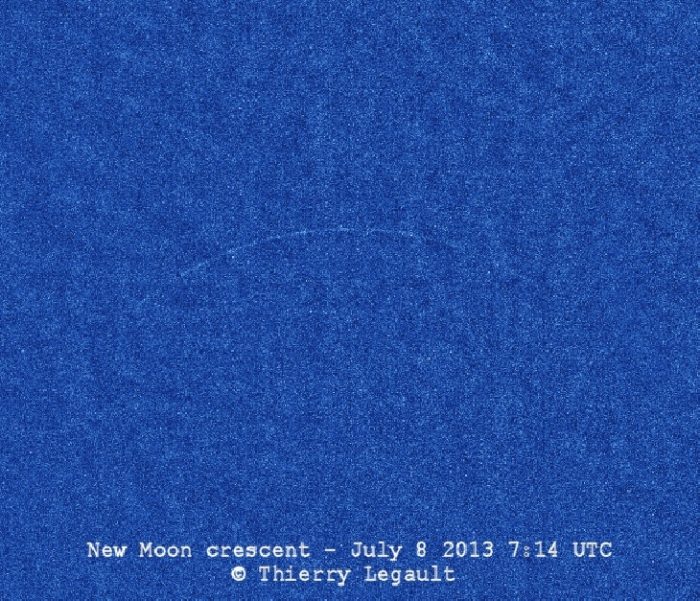
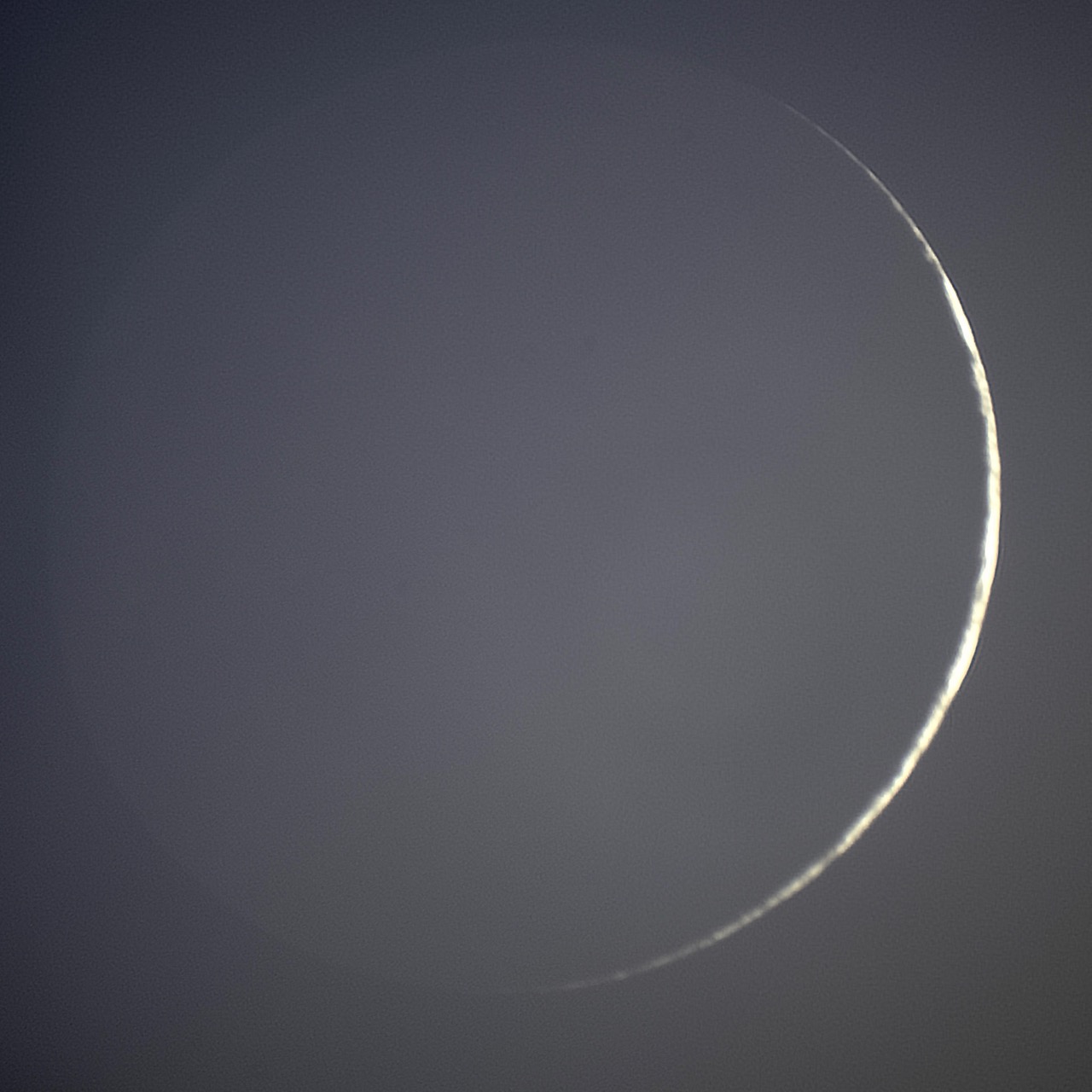
Today - August 30, 2019 - presents the closest new moon of the year, exactly a fortnight (about 2 weeks) before the year's farthest and smallest full moon on September 14, 2019.
Don't listen to people who tell you that supermoons are hype. Supermoons aren't hype; they're folklore, like Blue Moons or Black Moons or the beloved Harvest Moons.
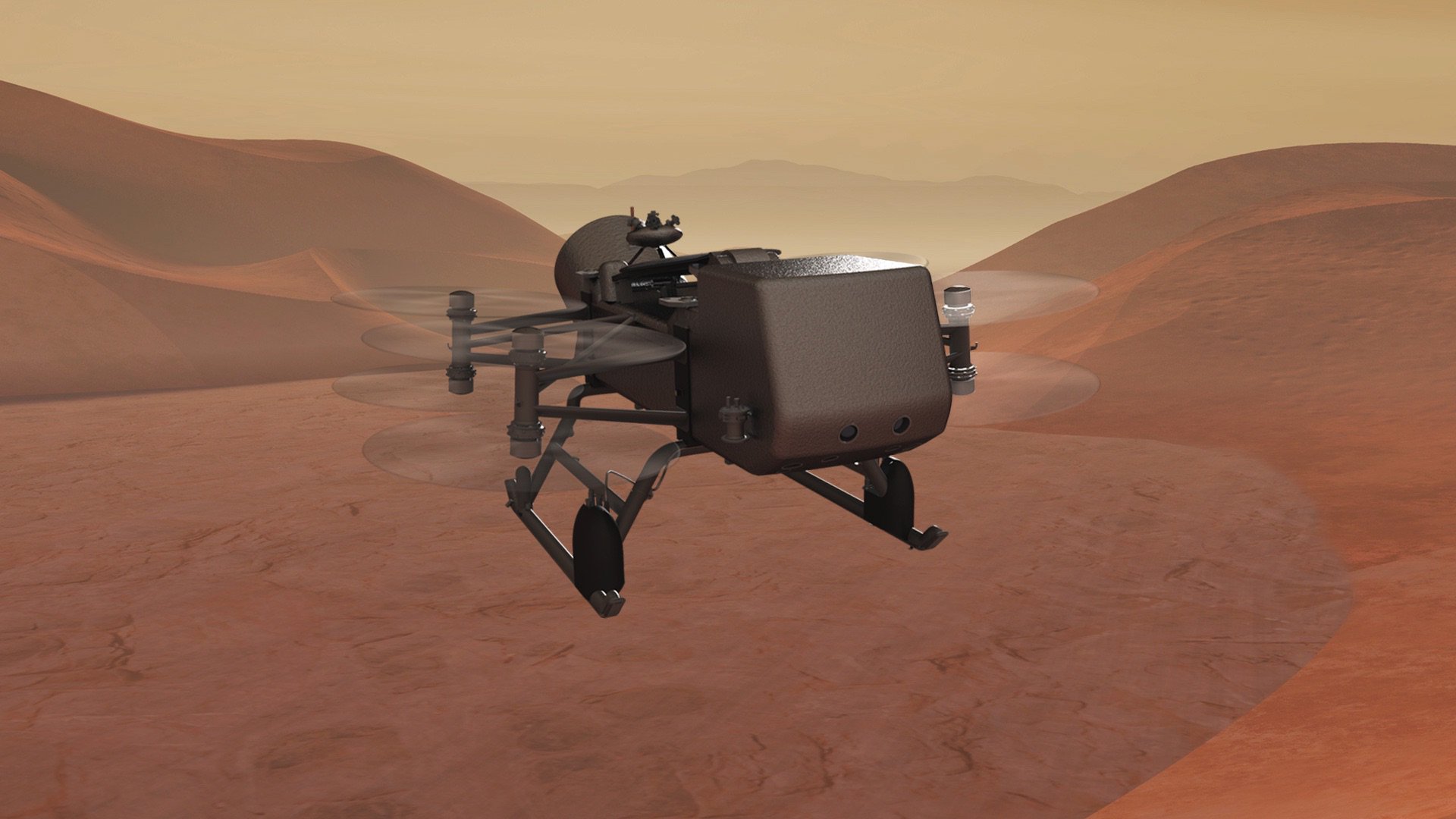
Scheduled for launch in 2026, the Dragonfly mission will look for clues to the origins of life, and possibly even evidence of life itself, on Saturn's alien yet remarkably Earth-like moon Titan.
The June 13 new moon is the 1st in a series of 3 new moon supermoons. The other 2 will fall on July 13 and August 11, 2018.
How do astronomers determine masses for distant space objects? Here's one example - using the moon's orbit as a baseline to find the mass of our sun - from EarthSky's Bruce McClure.
For the 1st time since 2009, a new moon - not a full moon - will be the closest and largest supermoon of a year.
The April 26, 2017 supermoon isn't a full moon. Instead, it's a new moon. You won't see it, but Earth's oceans will feel its effects.
April 7 moon turns new six hours before perigee - closest point to Earth. We won't see it, but it counts as a supermoon and will affect ocean tides.
We'll have six supermoons in 2016. The first one is a new moon supermoon, not visible in our sky.
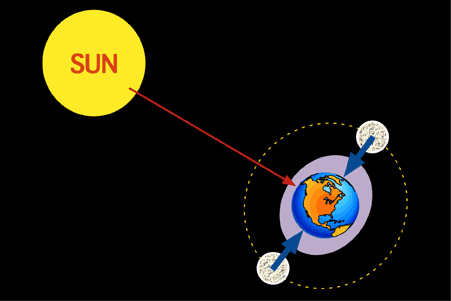
The last quarter moon combined with Earth at perihelion should usher in a gentle neap tide, with little variation between high and low tide over the next few days.
The first supermoon of 2015 comes on January 20. It's not a full moon. It's a new supermoon, between the Earth and sun. So you won't see it, but those along coasts might experience higher-than-usual tides in the coming day or two.
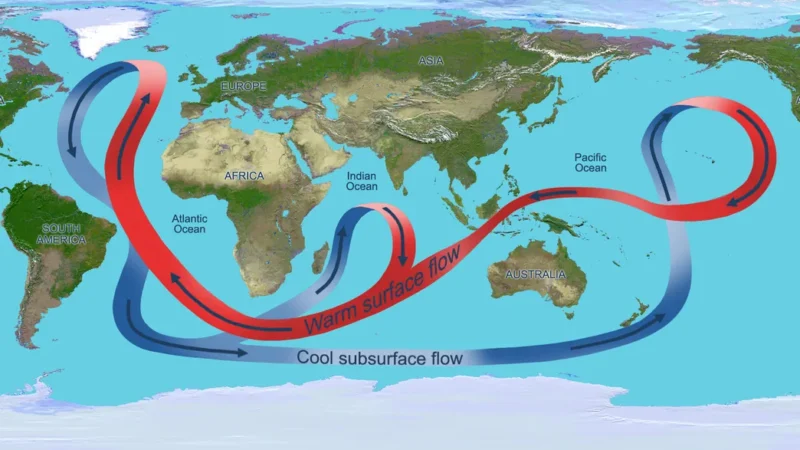
Seafloor sediments provided new evidence that a 2.4 million-year-long resonance between Mars and Earth affects long-term changes in ocean currents and temps.
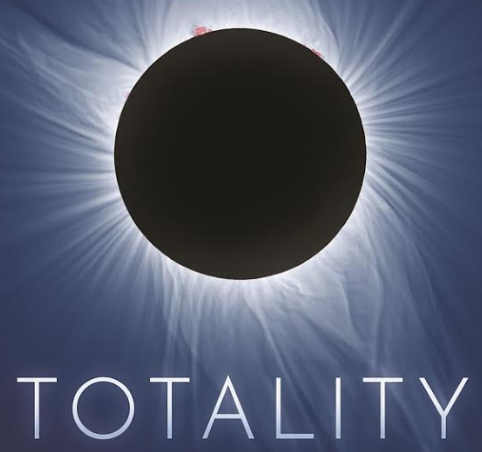
Read a book review of "Totality: The Great North American Eclipse of 2024" by Mark Littmann and Fred Espenak. Reviewed by Bruce McClure.
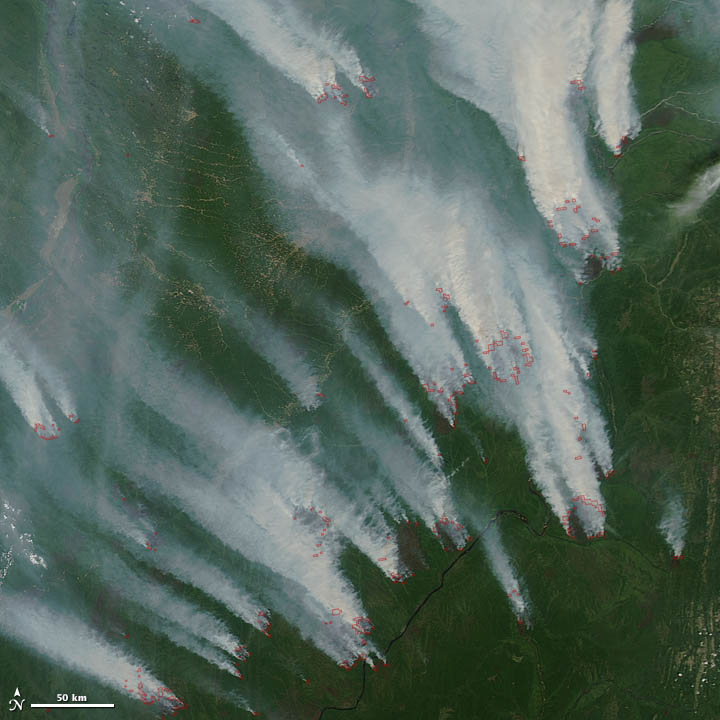
The world's largest forests, such as in northern Canada and Russia's Siberia, may soon release more carbon than they historically stored.
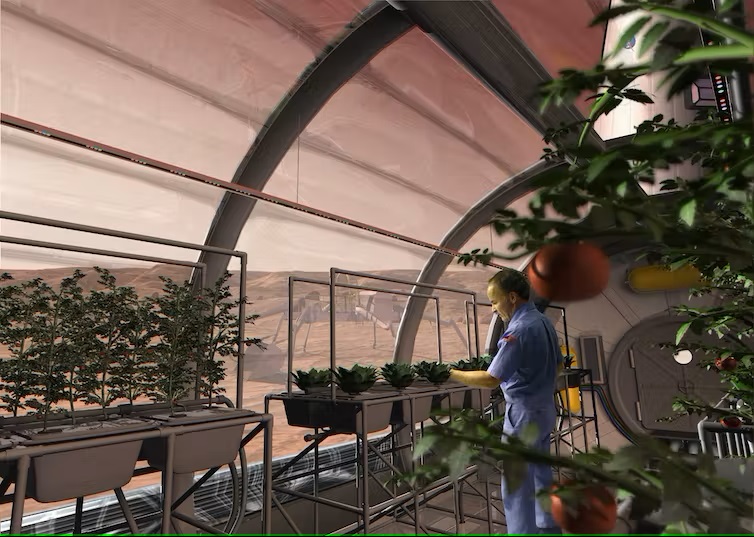
The technologies needed to plan for dinner on Mars will also help us transform how things are done here on Earth, where 1/3 of all food is thrown away.
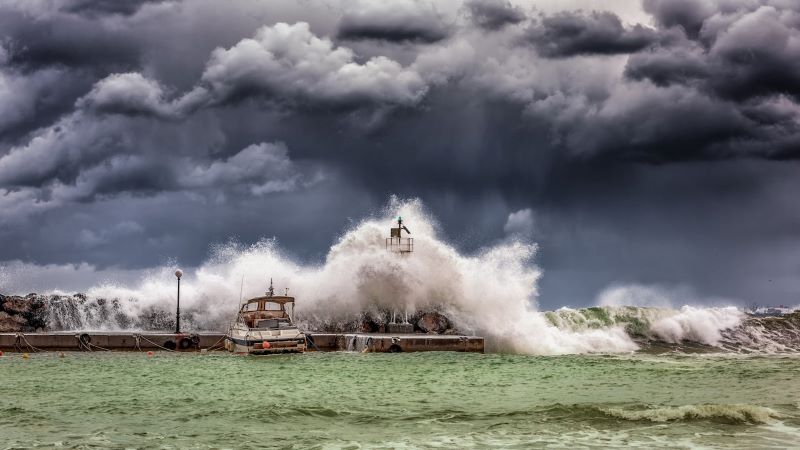
Of all the hazards that hurricanes bring, a hurricane storm surge is the greatest threat to life and property along the coast. Learn more here.
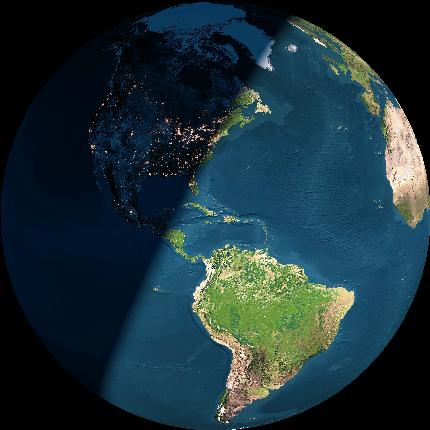
December solstice sunrise comes at the same time for St. Augustine, Florida, and New York City. But St. Augustine has an hour more of daylight than New York. Here's why.
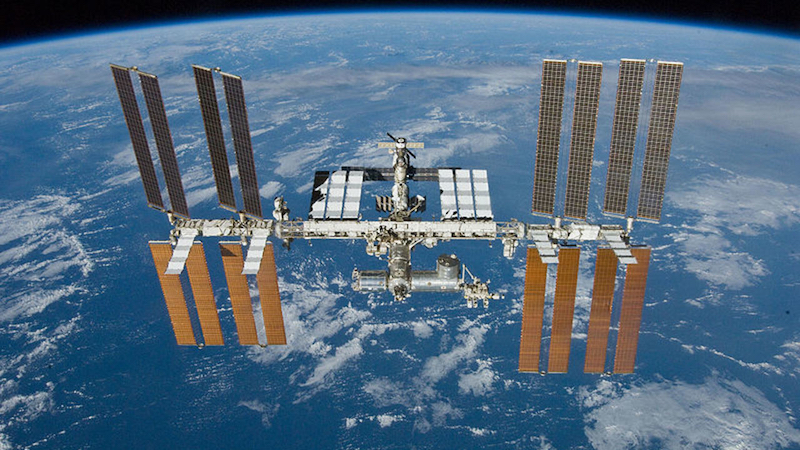
20 years ago, three astronauts stepped aboard the ISS. It's since hosted residents from many countries, creating humanity’s first history of living in space.
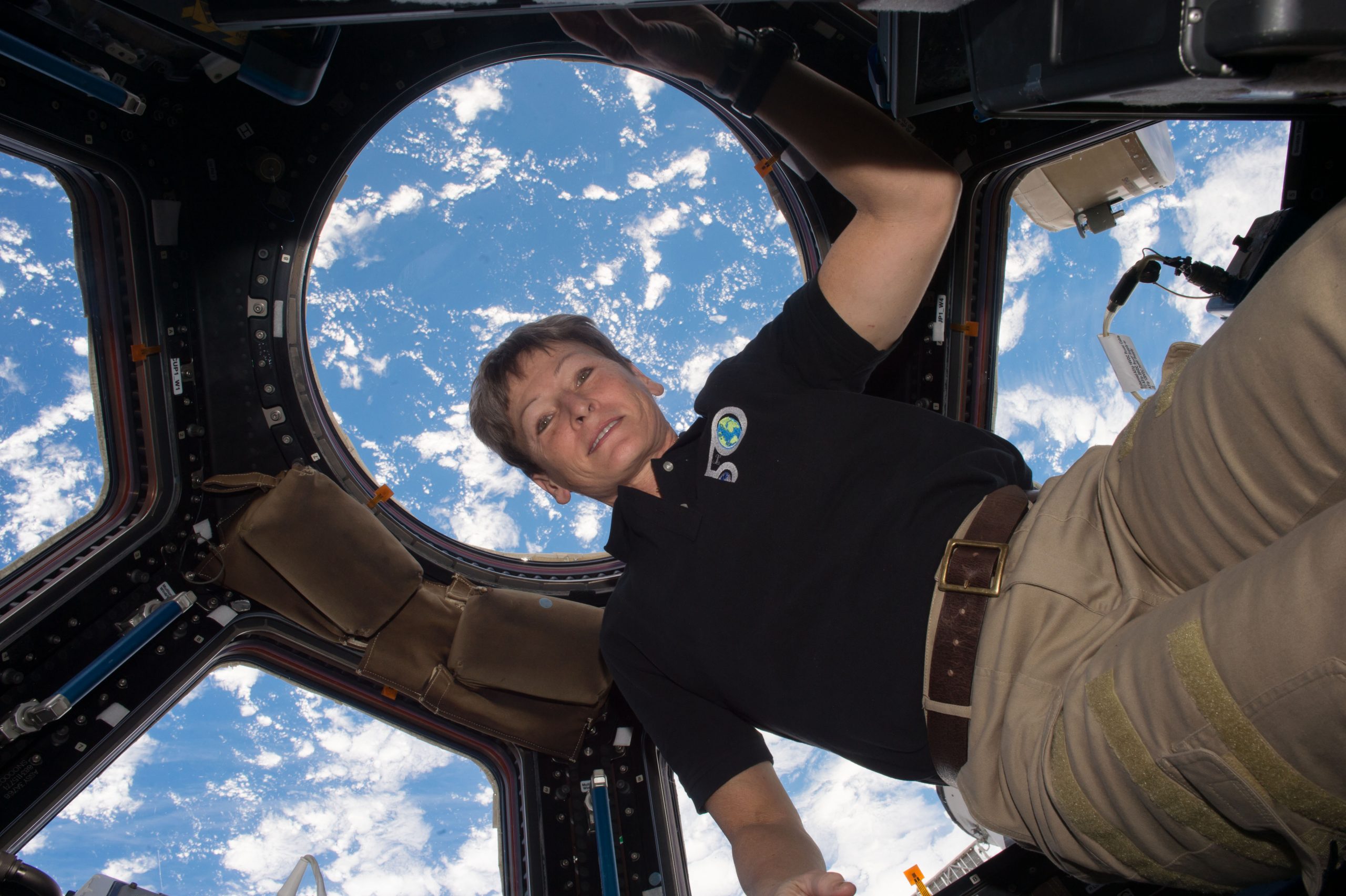
Axiom is an aerospace company making new possibilities accessible to humanity. Watch as astronauts retell their experience launching from Earth and living in space.
EarthSky Newsletter
Nearly half a million daily subscribers love our newsletter. What are you waiting for? Sign up today!
Join now to receive free daily science news delivered straight to your email.