The image at top is zodiacal light before dawn, as captured by Jeff Dai.
For the Northern Hemisphere, these next months are your best time all year to catch the zodiacal light, or “false dawn.” And the next few days are great, because the moon will be in a waning crescent. There might be some great photo opportunities with a waning crescent moon and the zodiacal light, since both will be located in the east before dawn breaks. On September 28, the moon will be new, or between the Earth and sun, and then it’ll be back entirely in the evening sky … gone from the sky before dawn, leaving it dark for your zodiacal light viewing pleasure.
Southern Hemisphere? Watch for the zodiacal light in the west, beginning about an hour after the sun goes down.
From temperate latitudes in either hemisphere, the zodiacal light is most easily seen around the time of the equinoxes. The morning zodiacal light prevails around the the time of the autumn equinox (now for the Northern Hemisphere, March-April for the Southern Hemisphere), and the evening zodiacal light around the time of the spring equinox (now for the Southern Hemisphere).
This light can be noticeable and easy to see from latitudes relatively close to Earth’s equator, for example, like those in the southern U.S. I’ve seen it many times from the latitude of southern Texas, sometimes while driving a lonely highway far from city lights, in the hour or so before true dawn begins to light the sky. In this case, the zodiacal light can resemble the lights of a city or town just over the horizon.
Meanwhile, skywatchers in the northern U.S. or Canada sometimes say, wistfully, that they’ve never seen it, although in recent years we’ve seen many photographs of the zodiacal light taken from those northerly latitudes.
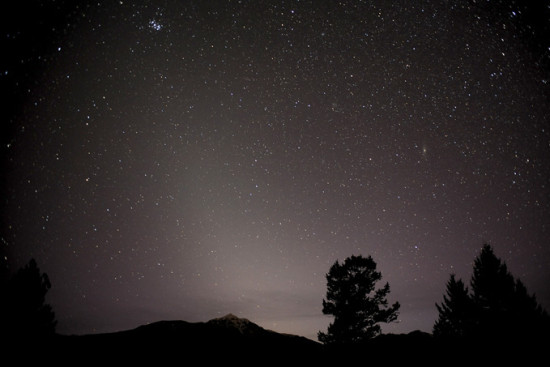
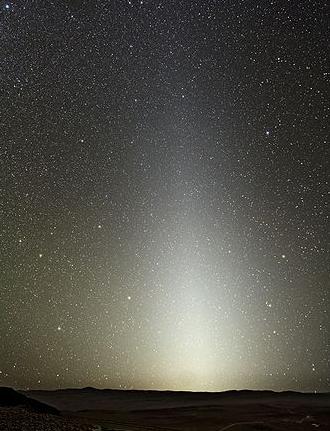
You need a dark sky location to see the zodiacal light, someplace where city lights aren’t obscuring the natural lights in the sky. The zodiacal light is a pyramid-shaped glow in the east before dawn (or after twilight ends in the evening, if you’re in the Southern Hemisphere now). It’s even “milkier” in appearance than the starlit trail of the summer Milky Way.
It’s most visible before dawn at this time of year because, as seen from the Northern Hemisphere, because the ecliptic – or path of the sun, moon and planets – stands nearly straight up with respect to the eastern horizon before dawn now. As seen from the Southern Hemisphere, the same is true of the western horizon after true darkness falls.
The zodiacal light can be seen for up to an hour before true dawn begins to break. Look for it about 120 to 80 minutes before sunrise. Unlike true dawn, though, there’s no rosy color to the zodiacal light. The reddish skies at dawn and dusk are caused by Earth’s atmosphere, and the zodiacal light originates far outside our atmosphere.
When you see the zodiacal light, you are looking edgewise into our own solar system. The zodiacal light is actually sunlight reflecting off dust particles that move in the same plane as Earth and the other planets orbiting our sun.
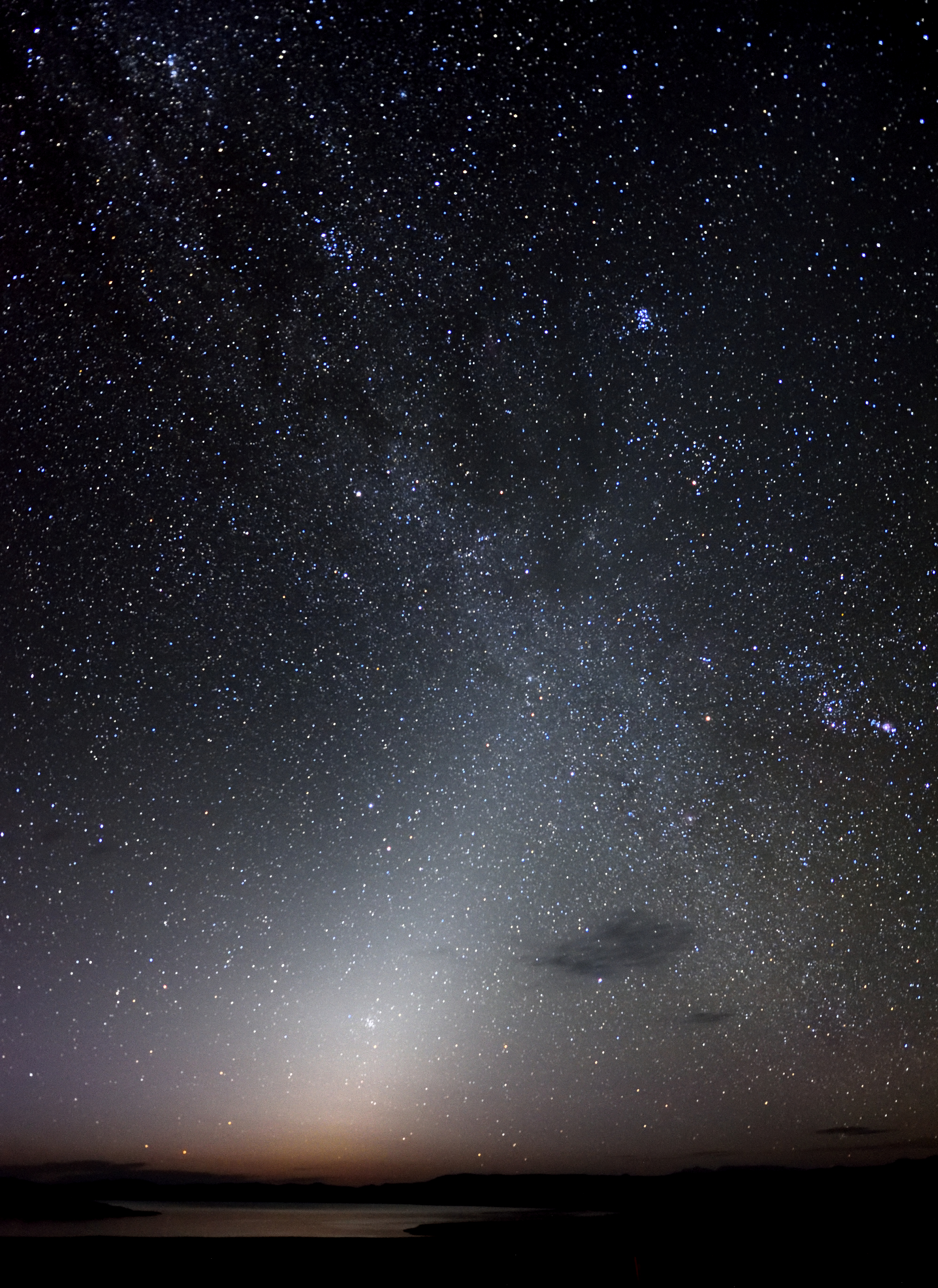
Bottom line: The September equinox happened a few days ago. No matter where you are on Earth, your local autumn is the best time to see the zodiacal light before dawn. Your local spring is the best time to see it in the evening.
An almanac can help you find the clock time for sunrise in your sky
Like what you read?
Subscribe and receive daily news delivered to your inbox.
More from
Deborah Byrd


Visible planets and night sky guide for October

Cassiopeia the Queen is overhead on autumn evenings
What star in the northeast flashes colorfully? It’s Capella!
Proxima Centauri is the closest star to our sun