Taipei, Taiwan
05:44 am
Canon R7 + SIGMA 60-600mm F4.5-6.3 S DG OS HSM Sports
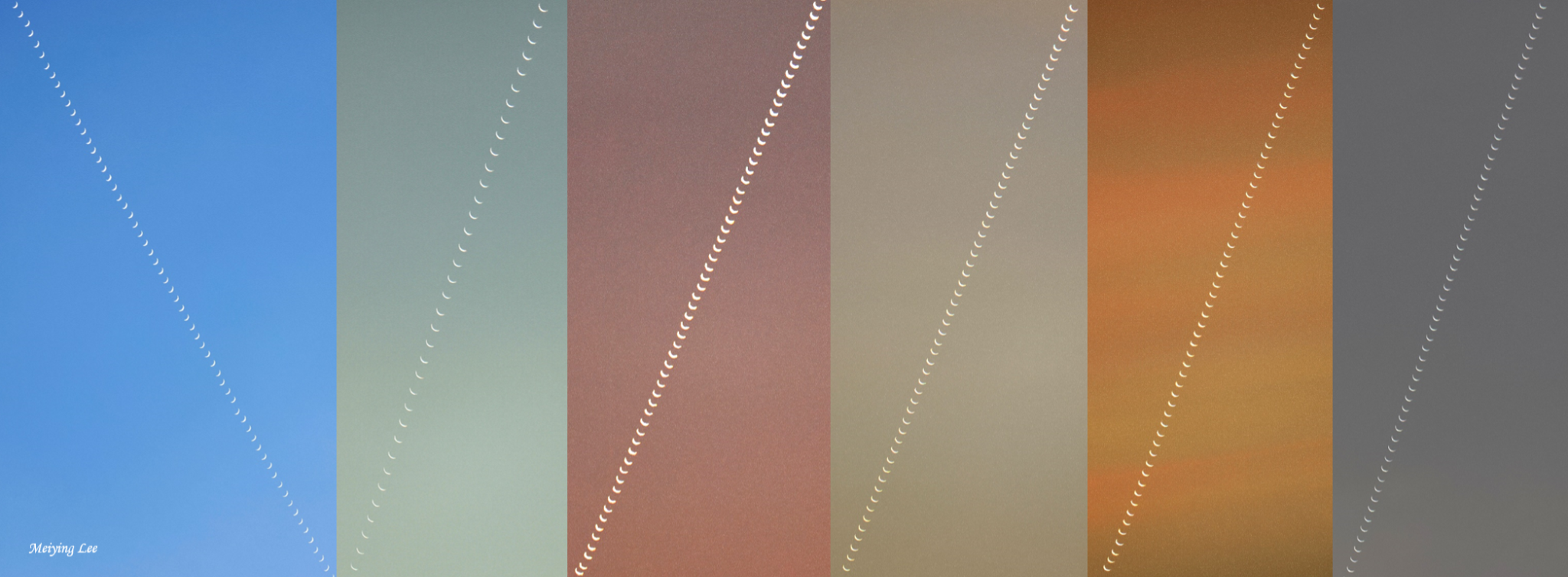
Use Sequator156 to stack the continuous shots of Venus into a trajectory map. The six sets of photos were taken on July 24, August 20 and August 22 respectively.
Venus and Mercury, due to their proximity to the Sun, always appear near the Sun and are among the few celestial objects that remain bright in the morning and evening skies. Venus, in particular, is the brightest object in the sky after the Sun and the Moon, thanks to its relatively close proximity to Earth. It also displays distinct phases. These series of tracks depict the setting and rising paths of Venus during dawn and dusk. Under the influence of a long-focus lens, the colors of the sky at dawn and dusk exhibit various changes. Therefore, the crescent-shaped Venus is like drawing tracks in the sky canvas of various colors, which is not only special but also very charming.
Like what you read?
Subscribe and receive daily news delivered to your inbox.
More from
David Callejas


Sometimes Island on Lake Travis
Sunset on Lake Travis
Ready, set, explore Earth from home
Two planets destined to die as their star expands